PageFly vs GemPages Affiliate Program Full Guide 2026
PageFly vs GemPages affiliate program guide for 2026, comparing public commissions, cookie windows, Shopify creator fit, and content angles.
On this page (9)

Who Should Promote This Affiliate Program?
The PageFly vs GemPages affiliate program search is not just a payout question. Shopify creators, ecommerce educators, and agency publishers want to know which page builder offer deserves review space, tutorial time, and affiliate link placement.
The short answer: PageFly is easier to explain when your content already teaches PageFly workflows, product page builds, and recurring Shopify app revenue. GemPages is a serious comparison because its current public agreement also includes first-month and recurring commission terms, plus a clear cookie window.
This guide compares the public terms, audience fit, content angles, and promotion risks so you can choose the cleaner recommendation for your Shopify page builder affiliate content.
Quick Verdict
The PageFly vs GemPages affiliate program decision comes down to content fit before commission math. If your audience already searches for PageFly tutorials, product page examples, or Shopify landing page walkthroughs, PageFly has the stronger brand-specific path.
If your audience compares Shopify page builders more broadly, GemPages belongs in the article because it gives readers a direct alternative with its own affiliate program, approval flow, and recurring commission structure.
For FindAffiliates readers, the safest move is to treat the two offers as comparison partners, not interchangeable tools. Start with the PageFly affiliate program listing, then use Shopify-adjacent program pages like the Shopify affiliate program, Webflow affiliate program, and Astra affiliate program to build a wider ecommerce stack.
How The Public Terms Compare
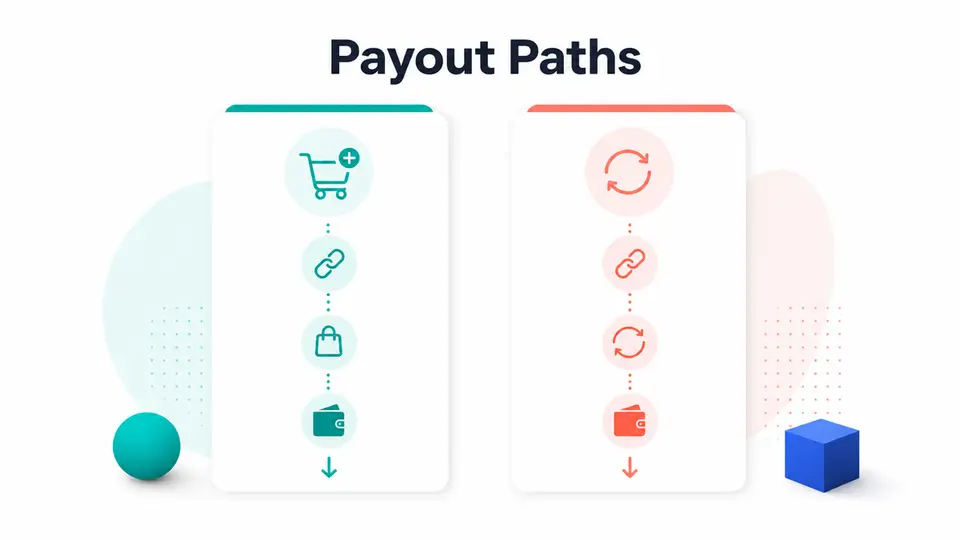
PageFly's official affiliate page currently says partners can earn 50 percent commission for the first month and 30 percent commission from the second month onward. Its partner language frames the offer as a lifetime recurring commission while the referred merchant remains a paying user.
GemPages publishes its affiliate rules in an official affiliate program agreement. The current agreement says affiliates receive 40 percent of the net value for the first successful paid transaction, then 25 percent recurring from the customer's second billing cycle. It also states that the referral cookie remains active for 45 days.
That makes the PageFly vs GemPages affiliate program comparison more nuanced than "which pays more." PageFly has the higher public first-month and recurring percentage. GemPages gives you a published cookie duration and a direct alternative for readers who want to compare Shopify page builders before choosing one.
There is one important caveat. Both programs calculate commission from qualifying paid revenue, and both operate inside a Shopify app context where fees, refunds, discounts, account status, and program rules can affect payout. Do not quote old screenshots. Check the official pages and your dashboard before publishing hard payout claims.
Which Audience Fits Each Program
The best PageFly vs GemPages affiliate program article should segment readers by buyer maturity. A merchant building their first Shopify store has a different question than an agency rebuilding product pages for clients.
PageFly is strongest when your reader already knows they need a visual page builder for Shopify and wants implementation help. That fits creators who publish "how to build a Shopify landing page," "product page examples," "PageFly tutorial," or "Shopify theme limitation" content.
GemPages fits broader comparison content. It works when your reader is still choosing between page builders and wants to know which app gives them the right balance of templates, customization, speed, and support.

If your content is mainly about ecommerce platform selection, link the comparison to the existing ecommerce platform affiliate programs guide. If your audience is already deciding between Shopify and WordPress commerce, the Shopify vs WooCommerce affiliate program guide gives that higher-level context.
Content Angles That Can Rank
A PageFly vs GemPages affiliate program post can rank when it answers the page builder decision better than a payout-only review. The searcher wants a recommendation, but they also need to understand the tradeoff behind it.
Strong angles include:
- PageFly vs GemPages for Shopify product pages.
- PageFly vs GemPages for landing pages without code.
- Which Shopify page builder should agencies recommend?
- Best Shopify page builder affiliate program for creators.
- PageFly review with GemPages as the main alternative.
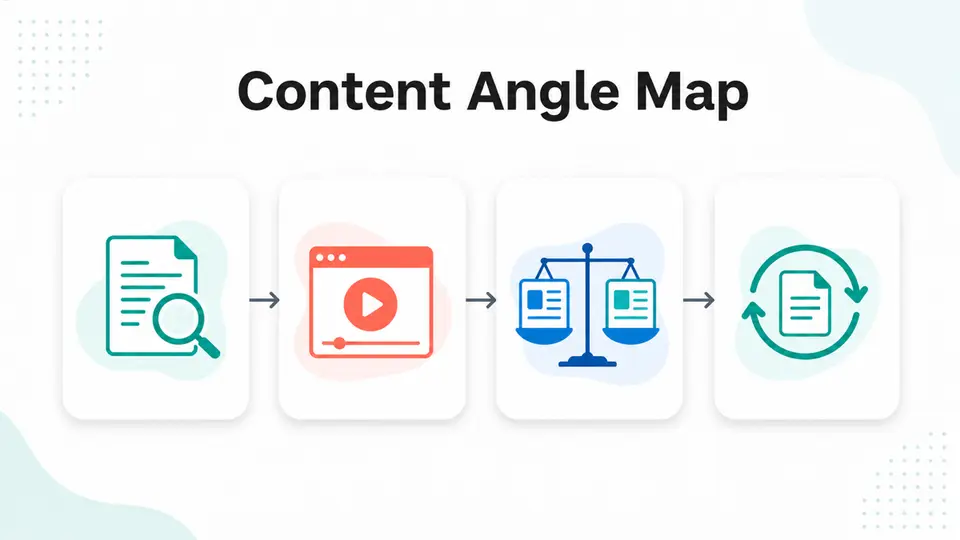
The best format is a hybrid comparison. Start with the buyer problem, show where each app fits, then add the affiliate program details after the reader understands the use case. That keeps the article useful even for visitors who are not affiliates yet.
For repeatable structure, use the affiliate product review template to cover buyer fit, proof, limitations, alternatives, and a clear verdict.
Side By Side Comparison
Use this table as a content planning view. Verify terms before publishing because commission rates, cookies, eligibility rules, and payout details can change.
| Program | Public commission note | Cookie note | Best audience | Strongest content angle |
|---|---|---|---|---|
| PageFly | 50 percent first month, then 30 percent from the second month onward | Not clearly foregrounded on the public page checked | PageFly tutorial creators and Shopify educators | Product page builds, landing page walkthroughs, Shopify page builder reviews |
| GemPages | 40 percent first paid transaction, then 25 percent recurring from renewals | 45 days in the official agreement | Comparison publishers and ecommerce educators | Page builder comparisons, Shopify store build guides, agency workflow content |
| Shopify | Verify current partner terms before quoting | Verify current terms before quoting | New merchant audiences | Platform launch guides and ecommerce stack content |
| Webflow | Verify current listing before quoting | Verify current listing before quoting | No-code site builder audiences | Website builder comparisons and design-led site content |
The table shows why the PageFly vs GemPages affiliate program topic is valuable. A creator can recommend PageFly in a dedicated tutorial and still mention GemPages as the comparison path for readers who want options.
Mistakes To Avoid
Do not write the article as if the highest percentage automatically wins. A better commission rate does not help if your reader does not trust the product, understand the use case, or want that specific page builder.
Do not hide the product comparison behind affiliate math. Readers deciding between Shopify page builders want to know what each tool does, when it is useful, and whether it fits their store-building workflow.
Do not imply that recurring commissions are guaranteed forever. Recurring payouts depend on customer retention, eligible payments, account status, program rules, and accurate tracking.
Do not use fake dashboards, fake earnings claims, or outdated terms. This category changes quickly, and both programs publish enough official information that you do not need to guess.
Key Takeaways for PageFly vs GemPages Affiliate Program Full Guide 2026
The PageFly vs GemPages affiliate program verdict is practical: PageFly is the cleaner first recommendation for creators already teaching PageFly or Shopify page building, while GemPages is the stronger comparison alternative for broader Shopify page builder content.
If you want the highest-confidence article, write for the merchant's decision first. Explain the page builder use case, compare the programs with current public terms, and then place the affiliate recommendation where it naturally helps the reader.
To compare more ecommerce, SaaS, and creator-friendly offers, browse the FindAffiliates directory at FindAffiliates.
FAQ
Is the PageFly vs GemPages affiliate program comparison worth writing?
Yes. It has strong decision intent because readers are comparing two Shopify page builder programs, not browsing a broad list of unrelated tools.
Which program has the higher public commission?
PageFly currently publishes 50 percent for the first month and 30 percent from the second month onward. GemPages currently publishes 40 percent for the first paid transaction and 25 percent recurring from renewals.
Does GemPages publish a cookie window?
Yes. The official GemPages affiliate agreement says the referral cookie remains active for 45 days.
Should I promote PageFly or GemPages first?
Promote PageFly first if your audience already wants PageFly tutorials or Shopify page building help. Promote both in comparison content when your audience is still choosing between page builders.
What should I verify before publishing this comparison?
Verify commission rates, cookie windows, payout rules, refund windows, prohibited promotion methods, and whether your traffic sources are allowed by each affiliate program.