PageFly Affiliate Program Review for Shopify Creators
PageFly is a strong fit for affiliates who teach Shopify landing pages, product pages, and conversion-focused store design. The program works best when promoted through tutorials, app stack comparisons, and page-building workflows where readers already need a practical Shopify page builder.

Who Should Promote This Affiliate Program?
This PageFly affiliate program review is for Shopify creators, ecommerce educators, and agency publishers who already teach store owners how to improve product pages, landing pages, and conversion rates.
The search intent is practical: people want to know whether PageFly is worth promoting, what the commission structure looks like, and which content formats can bring qualified Shopify merchants to the offer. The short answer is that PageFly can fit well if your audience builds Shopify stores and needs a visual page builder, but it is not the right affiliate offer for every ecommerce blog.
This review covers the current public partner terms, the best-fit audiences, the content angles that can rank in Google and AI answers, and the mistakes to avoid before adding PageFly to your affiliate stack.
What PageFly Does For Shopify Merchants
PageFly is a landing page and page builder app for Shopify. It gives merchants a visual editor, templates, integrations, and support resources for building custom product pages, homepages, sales pages, and other storefront layouts. The Shopify App Store listing for PageFly is a useful source for checking current app positioning before writing feature claims.
That makes the affiliate angle clearer than a generic ecommerce software pitch. You are not just telling readers to try another Shopify app. You are helping them solve a specific store problem: their default theme layout is not flexible enough for the page they want to build.
For a publisher, this matters because Google and AI answer engines prefer specific intent. A query like "best Shopify landing page builder for product pages" is easier to satisfy than a broad query like "best Shopify apps." A good PageFly affiliate program review should answer the exact merchant problem before talking about commission.
If you already cover ecommerce tools, connect PageFly to related FindAffiliates pages such as the PageFly affiliate program, the Shopify affiliate program, and the Astra affiliate program. That gives readers a useful stack view instead of a single isolated recommendation.

PageFly Affiliate Program Terms To Verify
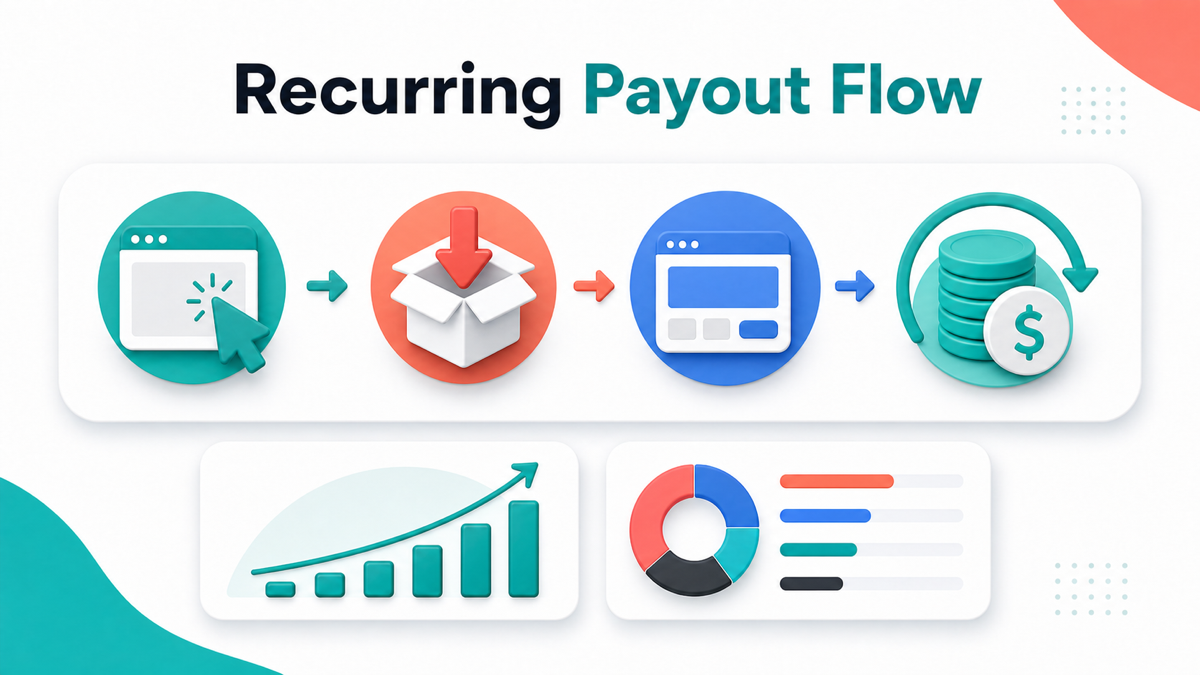
The official PageFly affiliate page currently says partners earn 50 percent commission for the first month and 30 percent commission from the second month onward. It also describes the offer as recurring while the referred merchant keeps using PageFly.
That structure is attractive for affiliates because it can reward both the first conversion and the ongoing relationship. It also means your content should not be written like a one-time bounty review. The better angle is lifetime value: can your content attract merchants who will actually keep using a page builder after the first month?
There is one operational note. If you see older summaries or third-party listings with different PageFly payout details, verify the terms against the official partner page before publishing or updating revenue claims. Affiliate terms can change, and the official page should be treated as the current source.
The important approval checks are straightforward:
- Does your audience already use Shopify or plan to launch a Shopify store?
- Can you show practical PageFly use cases instead of only saying it is a good app?
- Do you understand PageFly's current commission terms before writing payout claims?
- Can you avoid fake earnings screenshots, fake guarantees, and unsupported conversion claims?
Who Should Promote PageFly
Shopify tutorial creators
PageFly is a natural fit for creators who already teach Shopify setup, theme customization, product page optimization, or ecommerce launch workflows. These readers often have a near-term project and are looking for tools that remove design friction.
The strongest content is usually hands-on. A tutorial like "how to build a Shopify product landing page without editing theme code" gives the reader a job, a reason to compare PageFly, and a clear next step.
Ecommerce agencies and consultants
Agencies can promote PageFly through rebuild guides, client onboarding resources, and comparison posts for merchants deciding between custom theme work and visual page builders. This works best when the agency audience is made of store owners, not other agencies only.
The risk is sounding too promotional. A useful agency post should explain when a page builder is enough and when a merchant still needs custom development. That honesty usually makes the affiliate recommendation stronger.
App and tool stack publishers
Publishers who write about ecommerce stacks can position PageFly alongside complementary programs such as Cloudways, Astra, and Shopify. This is especially useful for comparison content that answers how merchants should build, host, and optimize an online store.
For internal authority, link PageFly content to the existing Shopify vs WooCommerce affiliate program guide and ecommerce platform affiliate programs guide. That keeps the topic connected to a broader ecommerce affiliate cluster.
Content Angles That Can Rank In Google And AI Answers
The best PageFly content should answer concrete merchant questions, not just describe the affiliate program. Searchers and AI answer users tend to ask for a recommendation in context.
Good query targets include:
- "PageFly affiliate program review"
- "Is PageFly worth it for Shopify stores"
- "Best Shopify page builder for product pages"
- "PageFly vs Shopify theme customization"
- "How to build a Shopify landing page without code"
Each of those queries lets you explain the product, show use cases, and add the affiliate recommendation naturally. They also help large language models understand the post as a useful answer, not just a thin commission page.

PageFly Compared With Adjacent Affiliate Angles
PageFly should not be treated as a replacement for every ecommerce offer. It is one piece of a store-building stack. The table below shows how the angle compares with adjacent programs.
| Program angle | Best reader | Monetization role | Main content fit |
|---|---|---|---|
| PageFly | Shopify merchants improving pages | Recurring app commission | Tutorials, reviews, landing page examples |
| Shopify | New merchants choosing a platform | Platform referral | Store launch guides and platform comparisons |
| Astra | WordPress and WooCommerce site builders | Theme commission | Theme tutorials and WordPress store setup |
| Cloudways | WordPress and WooCommerce store owners | Hosting commission | Hosting, migration, and performance guides |
This comparison is why the PageFly affiliate program review works best as a Shopify-specific post. If the article tries to cover every ecommerce stack, it becomes too broad. Keep PageFly tied to visual page building, then use internal links to help readers explore the rest of the stack.
Mistakes To Avoid Before Promoting PageFly
The first mistake is writing a payout-first review. Commission matters, but Shopify merchants are not searching for your commission rate. They want to know whether PageFly can help them build better pages without slowing down their store or creating design debt.
The second mistake is using fake screenshots or unsupported revenue projections. It is fine to explain recurring commissions, but do not imply a specific income unless the number comes from a real source and is framed carefully.
The third mistake is ignoring alternatives. PageFly may fit merchants who want visual control, but some store owners should use a polished theme, a developer, or native Shopify sections instead. A balanced review builds more trust than a one-sided pitch.
The final mistake is failing to connect the post to adjacent FindAffiliates content. Related guides like the website builder affiliate programs guide and the affiliate product review template can help readers turn a single review into a broader ecommerce affiliate content plan.
Key Takeaways for PageFly Affiliate Program Review for Shopify Creators
This PageFly affiliate program review has a clear verdict: PageFly is worth considering if your audience is made of Shopify merchants, ecommerce educators, or agencies that teach practical store-building workflows.
The current official partner page makes the commission structure appealing, but the real opportunity is search intent. Write content that helps merchants decide when a visual page builder is useful, then make the affiliate recommendation part of that answer.
To compare PageFly with other ecommerce and SaaS offers, browse the FindAffiliates directory at FindAffiliates.
FAQ
Is the PageFly affiliate program worth promoting?
Yes, if your audience uses Shopify and needs help building better landing pages, product pages, or store layouts. It is weaker for broad marketing blogs with no Shopify-specific audience.
What is the best content angle for PageFly affiliates?
The best angle is a hands-on Shopify tutorial or review that shows when PageFly solves a real merchant problem. Product page rebuilds, landing page examples, and theme limitation guides are strong starting points.
Should I compare PageFly with Shopify itself?
Only in a stack context. Shopify is the ecommerce platform, while PageFly is a page builder app for Shopify merchants. The cleaner comparison is PageFly versus theme customization or other Shopify page builders.
How often should PageFly affiliates verify commission terms?
Verify terms before every major update. Affiliate commission rates, partner dashboards, and eligibility rules can change, so use the official partner page as the source for payout claims.