9 Best Places to Promote Affiliate Links Safely in 2026
Find where to promote affiliate links across nine practical channels, with direct link rules, disclosure checks, content fit, and a 30-day test plan.
On this page (9)

What Should You Compare Before Choosing?
Knowing where to promote affiliate links is about matching the offer to useful content. The strongest place is usually a channel you can maintain, where the audience has the problem the product solves and the platform permits your link path.
For most beginners, an owned review, tutorial, resource page, email list, or long-form video is safer than dropping a raw link into every feed. Owned content lets you explain the recommendation, disclose the relationship, and measure the click.
This guide compares nine practical places to promote affiliate links, what each channel is best for, and when to send visitors directly to a merchant or through a useful page you control.
Quick Comparison of the 9 Best Places
| Place | Best for | Recommended link path | Main check |
|---|---|---|---|
| Review and comparison pages | Buyers comparing options | Useful page to merchant | Add original evidence |
| Tutorials and solution guides | Problem-aware readers | Tutorial to relevant offer | Match the exact step |
| Resource pages and tool directories | Returning audiences | Curated page to merchant | Keep every link current |
| Email newsletters | Owned audience follow-up | Email to useful page or offer | Disclose near the recommendation |
| YouTube videos | Demonstrations and walkthroughs | Description link to offer or guide | Confirm clickable placement |
| Pinterest Pins | Visual search and planning | Pin to useful page or permitted offer | Use original, transparent Pins |
| Short-form social and profile hubs | Discovery and repeat exposure | Post to profile link page | Avoid unrelated link collections |
| Niche communities | Specific questions and peer trust | Helpful answer to permitted resource | Follow community rules |
| Paid search and social ads | Proven offers with measured economics | Ad to compliant landing page | Get program permission first |
No channel is universally best. A software comparison may perform well in search or YouTube, while a visual home project may fit Pinterest. Start with one primary channel and one supporting channel instead of spreading the same link everywhere.
How to Choose a Promotion Channel
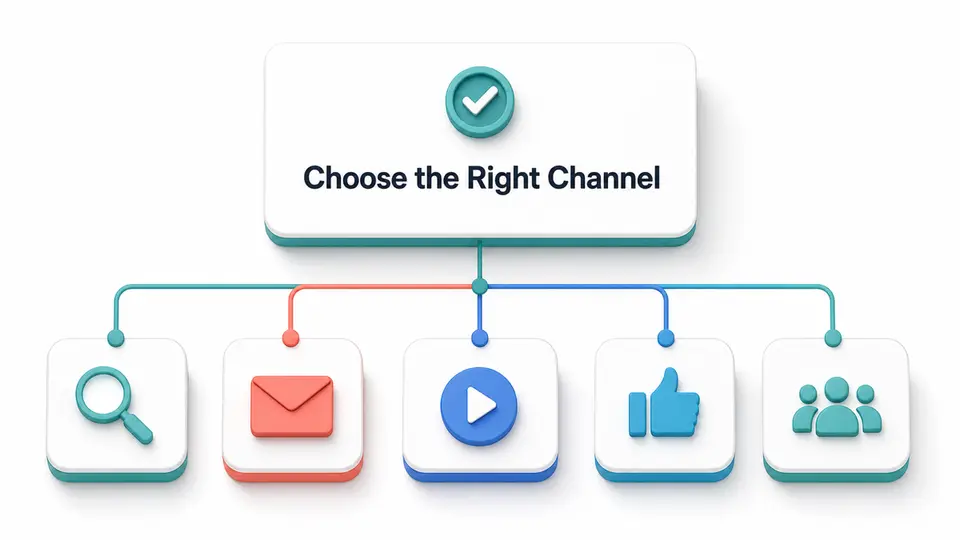
Before deciding where to promote affiliate links, use four selection criteria.
First, check intent. A reader searching for a product comparison is closer to a decision than someone scrolling a general feed. A small, focused audience can be more useful than a large, unfocused one.
Second, check permission. Confirm whether direct social links, email, coupon codes, brand bidding, redirects, and paid ads are allowed. If a rule is unclear, use a useful owned page and ask for written guidance.
Third, check format fit. Demonstration-heavy software suits tutorials and video. Visual products can fit Pinterest or short-form video. Complex tools often need comparisons or email education.
Fourth, check measurement. Give every channel or placement a distinct tracking ID when the program supports it. The guide to tracking affiliate links and commissions explains how to connect placements, clicks, orders, approvals, and payouts without mixing every source together.
9 Places to Promote Affiliate Links
1. Buyer-Intent Review and Comparison Pages
Reviews and comparisons work because the reader is evaluating a purchase. Explain who the product fits, its tradeoffs, and which alternative suits a different buyer.
Do not copy a merchant description and add buttons. Google's current spam policies identify copied, low-value affiliate pages as thin affiliation. Add screenshots, testing notes, decision criteria, or an original comparison.
A software comparison can introduce the Semrush affiliate program when the audience is researching SEO workflows. The recommendation should follow the evidence.
2. Tutorials and Solution Guides
Tutorials show the product inside a real job. Teach a reader how to create a form, launch a newsletter, audit a website, or open a store. Place the link near the relevant step.
A lead-capture guide could demonstrate a workflow and mention the Tally affiliate program. Keep the tutorial useful even if the reader chooses another tool.
3. Resource Pages and Tool Directories
A resource page gives returning readers one maintained place to find recommended tools. Organize it by job, such as email, analytics, design, hosting, or research.
State who each tool is for, why it is listed, and when to skip it. Add a review date and test every destination. Use the page to support deeper reviews and tutorials.
4. Email Newsletters and Welcome Sequences
Email reaches an audience that asked to hear from you. A welcome sequence can teach one problem, share a guide, and recommend a product after the reader understands the fit.
Keep each email focused on one job and action. A creator newsletter could explain audience ownership before recommending the Kit affiliate program. Avoid unrelated offers.
The FTC's Endorsement Guides Q&A says affiliate relationships should be disclosed clearly and conspicuously. Put plain language near the recommendation, not only in a footer.
5. YouTube Videos and Descriptions
YouTube fits demonstrations, tutorials, product tests, and comparisons. Show the product solving the problem, discuss tradeoffs, then direct viewers to the relevant description link.
Use a spoken disclosure and a written one near the description links. Keep the first links tied to the video topic. Unrelated offers weaken the next step and tracking.
Verify current clickable-link rules for your channel features before planning the call to action.
6. Pinterest Pins
Pinterest fits visual planning topics such as home projects, travel, design, food, fashion, and creator workflows. Build each Pin around a specific need and fulfill its promise.
Use original graphics, accurate titles, and a consistent destination. Disclose the commercial link and do not hide its destination. If direct Pinterest traffic is not clearly permitted, link to a useful article with a disclosed recommendation.
7. Short-Form Social Content and Profile Link Hubs
Instagram, TikTok, and similar feeds support discovery and quick demonstrations. Because clickable placement varies, use a focused profile page with a small set of relevant guides or offers.
Match the destination to the post. A store video could point to one guide discussing the Shopify affiliate program, not dozens of unrelated deals. Make the disclosure visible before action.
8. Niche Communities and Forums
Communities can create good clicks when a recommendation answers a specific question. They can also ban accounts that join only to distribute links.
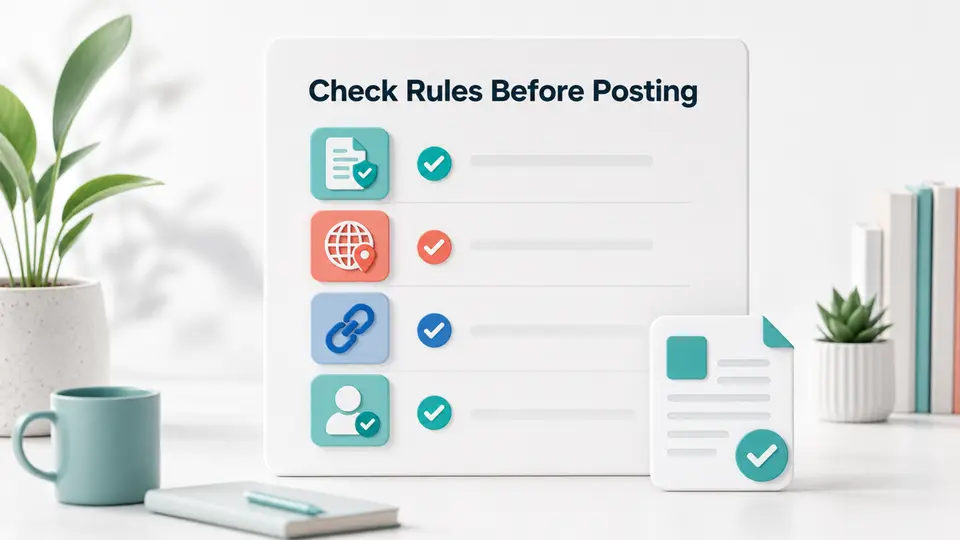
Read the rules before posting. Never disguise a prohibited link. Give a complete answer, then add a permitted resource only when it adds detail. In many communities, the right strategy is to become useful and leave the affiliate link out.
9. Paid Search and Social Advertising
Paid campaigns can scale a proven offer, but many programs restrict direct linking, trademark bidding, retargeting, coupon language, or ad networks. Get permission first.
Use a compliant landing page that matches the ad and measures click to approved commission. Start after organic data suggests the offer converts. Compare expected commission with ad cost, refunds, reversals, and payout delay.
Direct Affiliate Link or Bridge Page?
When choosing where to promote affiliate links, a direct link can work when the program and platform permit it, the product needs little explanation, and the content itself provides enough context. It reduces steps, but gives you less control over the destination, measurement, and future updates.
Use a bridge page when the reader needs a comparison, tutorial, disclosure, qualification step, or alternative. The page should add real value. It should not exist only to hide a tracking URL or force another click.
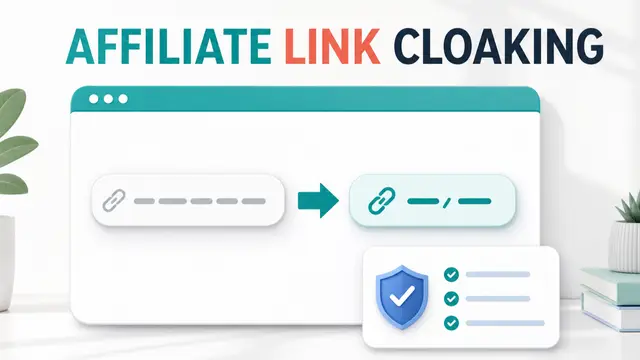
Before changing a link format, check the program rules. Some merchants restrict masking or redirects. The guide to cloaking affiliate links safely explains when a branded redirect can help and when the original destination should remain visible.
Mistakes to Avoid
- Dropping links without context: Explain the problem, fit, and tradeoffs before asking for a click.
- Using hidden or vague disclosures: State plainly that you may earn a commission and place the notice near the recommendation.
- Copying merchant claims: Verify important facts and add your own analysis, examples, or testing.
- Ignoring channel and program rules: Permission can differ for email, social media, redirects, and paid traffic.
- Sending every visitor to a homepage: Deep-link to the relevant product or plan when allowed.
- Mixing every placement under one tracking ID: Separate channels so you know what produced the click and approved sale.
- Depending on one platform: Build an owned page or email audience so one algorithm change does not erase the whole system.
A 30-Day Affiliate Link Promotion Test
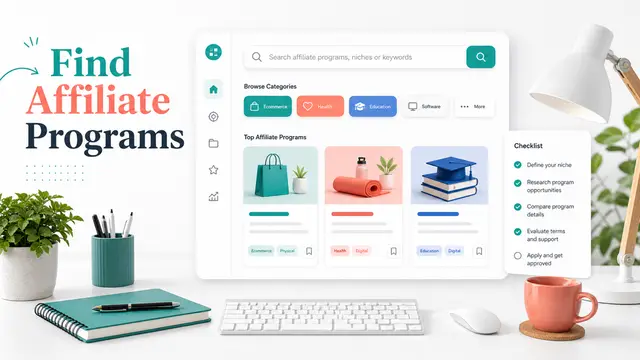
During week one, choose one program and define one buyer problem. Review its terms, confirm allowed channels, and use the affiliate program selection guide to check audience fit before creating content.
During week two, publish one high-intent asset, such as a comparison, tutorial, or video. Give it one clear recommendation, a visible disclosure, and a unique tracking label.
During week three, adapt the same useful idea for one supporting channel. Turn a tutorial into a short video, a comparison into an email, or a resource page into a set of original Pins. Do not paste the same link and caption everywhere.
During week four, review clicks, qualified actions, approved commissions, reversals, and reader questions. Keep the channel that produces useful behavior, improve the weakest step, and stop placements that generate low-quality traffic. Thirty days may not prove long-term revenue, but it can show whether the message, channel, and offer fit each other.
FAQ
Where is the best place to promote affiliate links?
The best place is useful, intent-matched content on a channel that permits the link. For many affiliates, a review, comparison, tutorial, email list, or YouTube video works better than an isolated social post because it gives the reader enough context to decide.
Can I post affiliate links directly on social media?
Sometimes. Permission depends on the affiliate agreement, the social platform, the account features, and the destination. Confirm the current rules, use a clear disclosure, and use a useful owned page when direct linking is restricted or needs more explanation.
Should beginners use paid ads for affiliate links?
Usually not first. Paid ads add cost before you know whether the offer, message, and landing path convert. Begin with organic content, measure approved commissions, then test ads only when the program explicitly permits them and the economics are realistic.
How many promotion channels should I start with?
Start with one primary and one supporting channel. Expand after tracking shows which audience and placement produce qualified results.
Key Takeaways for 9 Best Places to Promote Affiliate Links Safely in 2026
Where to promote affiliate links depends on buyer intent, channel rules, content fit, and measurement. Start with one place where you can publish useful, specific content, then support it with a second channel that reaches the same audience in a different format.
Do not treat promotion as link distribution. Treat it as helping the right reader understand a decision. When you need programs that match a real audience and content plan, browse the FindAffiliates directory and verify each program's current terms before publishing.