Prosp vs Apollo Affiliate Program: 5 Creator Checks
Compare the Prosp vs Apollo affiliate program terms by commission duration, payout timing, audience fit, and public source gaps before you apply.
On this page (9)
Who Should Promote This Affiliate Program?
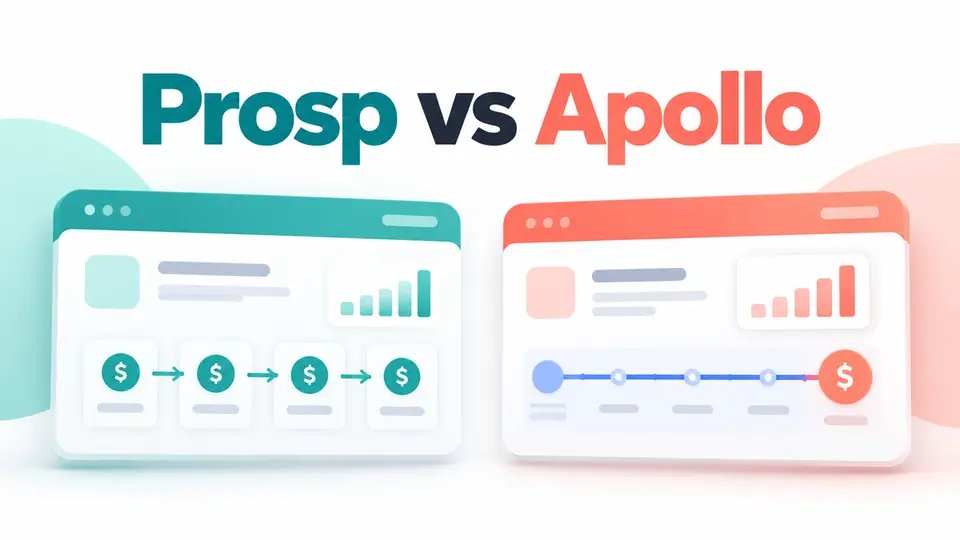
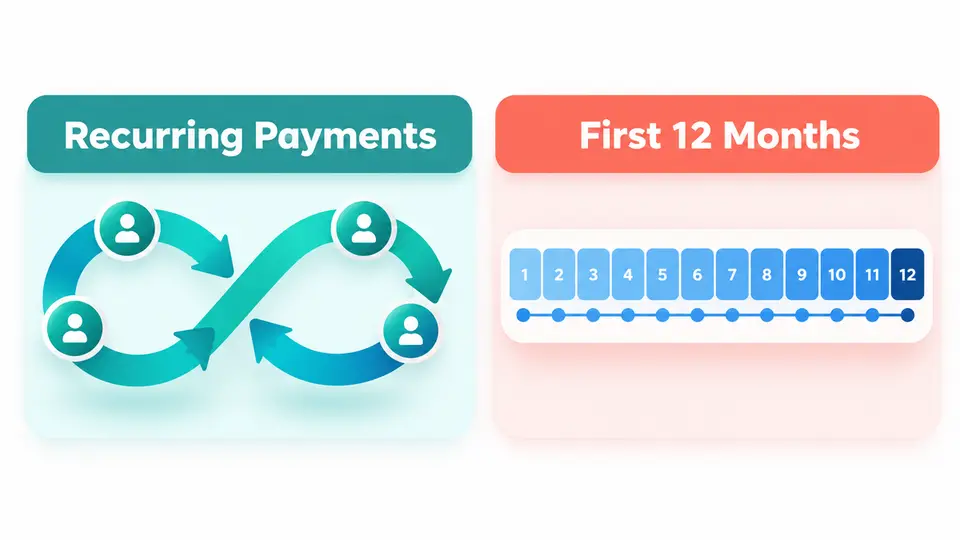
A Prosp vs Apollo affiliate program comparison helps sales and LinkedIn creators decide which offer fits their audience and content. Prosp publicly lists 30% of each payment for as long as a referred customer stays subscribed. Apollo lists 15% on monthly plans or 20% on annual plans for the first 12 months.
That headline comparison does not settle the choice. The programs differ in commission duration, audience fit, qualifying customer rules, payment handling, and how much attribution information they publish. Review the current account terms before applying or promising an earnings result. An honest Prosp vs Apollo affiliate program comparison should make the unknown click windows clear instead of inferring them from payment holds.
Quick comparison
| Program | Commission model | Attribution evidence | Payout evidence | Strongest content fit |
|---|---|---|---|---|
| Prosp | 30% of each payment while the referred subscription stays active | The current partner page does not state a cookie window | $75 minimum, 30-day commission hold, PayPal or Wise | LinkedIn outbound, agency lead generation, prospecting workflows |
| Apollo | 15% of monthly-plan revenue or 20% of annual-plan revenue for the first 12 months | Cookie duration is not stated in the public affiliate sources reviewed | PartnerStack, monthly processing; commission becomes payable 30 days after Apollo receives the customer payment | B2B sales software, lead research, and revenue operations |
How we reviewed the offers
The keyword appears as a specific comparison in the FindAffiliates strategy, while public search results show stronger individual program intent than a visible head-to-head result. Exact search volume is unavailable, so this is a focused commercial comparison rather than a claim that the query is high-volume. For the Prosp vs Apollo affiliate program search, the practical goal is to help outbound creators compare mechanics and audience fit side by side.
We used public program materials and current FindAffiliates sales-software guides. A public affiliate page can summarize a model, but a signed agreement and the account dashboard control eligibility, tracking, and payment. Where an exact cookie window or current network offer is not stated, the table leaves it unknown instead of inferring one from a hold period.
Prosp: recurring commission for outbound audiences
Prosp is built around LinkedIn prospecting and helps agencies and sales teams find prospects and start conversations. Its official partner page says affiliates earn 30% of every payment from referred customers for as long as they remain subscribed. It also lists free enrollment, no earnings cap, a $75 minimum payout, a 30-day hold per commission, and payment through PayPal or Wise.
That model can suit creators whose audience already asks how to find leads, run LinkedIn outreach, or support agency pipeline. The payment period can continue after the initial subscription year, but the monthly amount can change when a customer changes plans or cancels. The current partner page does not state the click attribution window, so confirm the duration and traffic restrictions in the current affiliate dashboard before building a forecast.
Prosp is a weaker fit for broad sales software content that never shows a prospecting workflow. A practical review could explain how the tool fits a prospecting stack, which kinds of users it serves, and where a CRM takes over after an interested buyer responds. Do not claim that a 30% rate guarantees earnings, and do not reuse hypothetical examples from a vendor page as expected results for your audience.
Apollo: first-year commission through PartnerStack
Apollo serves B2B teams that research leads, manage outreach, and support go-to-market work. Its affiliate agreement sets a 15% commission on revenue actually received from monthly subscriptions and 20% on annual subscriptions during the first year. A monthly customer can generate eligible commissions for each of the first 12 consecutive paid months. An annual customer produces one commission payment for the annual subscription.
The agreement also says commissions become payable 30 days after Apollo receives the customer's payment. Refunds, chargebacks, and reversals can reduce or cancel previously available commission. The public agreement excludes referrals when the customer is already a current or past Apollo customer, when Apollo was already communicating with the customer before the affiliate click, or when another eligibility rule is not met. These conditions make an audience of new-to-Apollo buyers especially relevant.
Apollo may fit creators who teach sales intelligence, contact research, outbound operations, or revenue workflows. The FindAffiliates Apollo affiliate program listing provides a directory overview, but its displayed 15% to 20% range should be read with the plan and first-year details above. The public sources reviewed do not state a cookie duration. Ask PartnerStack or Apollo for the active attribution rules before comparing the offer against a program with a verified window.
Which program should a creator investigate first?
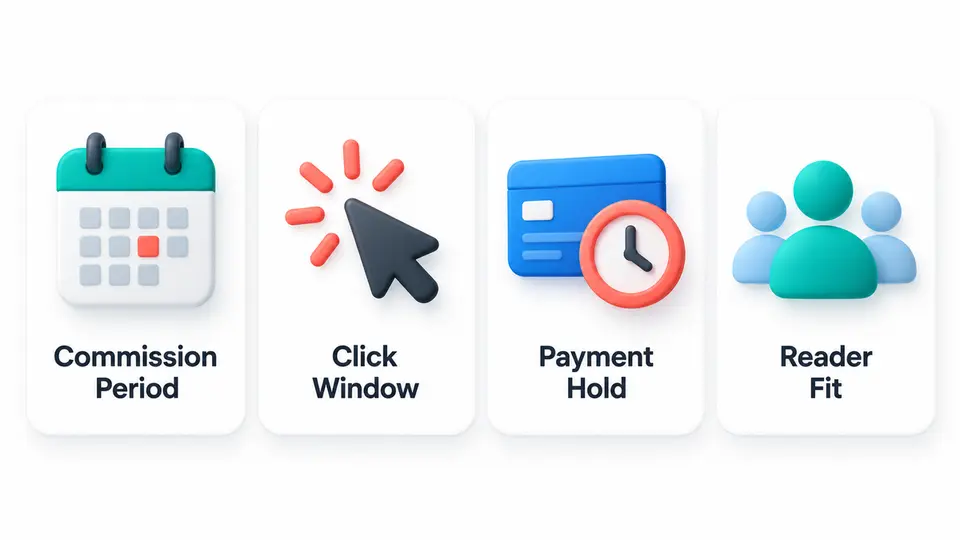
Use these five checks to narrow the choice:
1. Match the tool to the reader's job
Start with the problem your audience is trying to solve. A LinkedIn prospecting creator can explain Prosp's workflow. A broader B2B sales educator may be able to cover Apollo's research and outbound use cases. If the audience primarily needs pipeline tracking, compare the Pipedrive affiliate program as a separate CRM path. A broad marketing and sales audience can also compare the HubSpot affiliate program.
2. Compare how long a commission can accrue
Prosp describes a continuing commission while a referred customer remains subscribed. Apollo's public agreement limits commissions to the first 12 months of the subscription, with the annual plan paid as one commission. This difference matters when you describe long-term revenue, but it does not prove that either offer will produce more income. Customer fit, conversion, cancellations, and actual plan value all affect results.
3. Separate a referral window from a payment hold
A cookie window describes how long a tracked click can receive credit under a program's rules. A payment hold describes when an earned commission becomes payable. Apollo states a 30-day payment delay. Prosp states a 30-day hold for each commission. A useful Prosp vs Apollo affiliate program comparison keeps these two clocks separate. The public pages reviewed do not give a definitive click window for either offer, so do not treat those 30-day payment periods as cookie durations.
4. Check eligibility and reversals
Apollo's agreement makes new customer status and prior sales conversations relevant to commission eligibility. It also permits deductions after refunds, chargebacks, or reversals. Prosp's public partner page describes recurring payments and the hold period, but does not show a full public eligibility agreement. Review the exact terms in each partner account before sending paid traffic or publishing a rate comparison.
5. Make the disclosure clear
Put a clear affiliate disclosure near the recommendation, then explain what you actually evaluated. Our affiliate review disclosure examples show placements for blogs, videos, email, and social posts.
For a broader shortlist, read our AI sales prospecting affiliate programs guide and sales software affiliate programs guide. Use the affiliate program research checklist to record source dates and unresolved terms.
Final comparison by audience
| If your readers mainly need... | Start with... | Verify before publishing |
|---|---|---|
| LinkedIn prospecting and agency outbound | Prosp | Current cookie window, allowed traffic, plan changes, and payout timing |
| B2B data research and multi-step sales workflows | Apollo | New-customer definition, plan, eligible revenue, and reversal rules |
| Deal stages and CRM follow-up | Pipedrive | Current accepted campaign and payout conditions |
| Wider marketing and sales education | HubSpot | Current program terms and audience eligibility |
Key Takeaways for Prosp vs Apollo Affiliate Program: 5 Creator Checks
The Prosp vs Apollo affiliate program choice turns on audience fit and commission duration. Prosp describes recurring payments for the life of an active subscription; Apollo pays on eligible plan revenue during the first 12 months. Check each live partner account for click attribution, approval, and exclusions, then recommend the software that solves the reader's actual sales problem. Browse the FindAffiliates directory to compare related offers.
FAQ
Does Prosp pay recurring affiliate commission?
Prosp's public partner page says affiliates earn 30% of every payment while a referred customer stays subscribed. The monthly amount can change with the customer's subscription, and its public page does not state a cookie window.
How long does Apollo pay affiliate commission?
Apollo's agreement pays eligible monthly-plan commissions for up to the first 12 consecutive paid months. An eligible annual plan generates one commission payment based on revenue received during that subscription year.
Does either program publish a cookie duration?
The current public sources reviewed do not state a definitive click window for either program. Confirm attribution rules in the current Prosp or PartnerStack account. Do not use a 30-day commission hold as a cookie duration.
Which program is better for sales creators?
Prosp is the closer fit when the content teaches LinkedIn prospecting and outbound workflows. Apollo may fit content about B2B research and broader go-to-market operations. The best choice depends on what the creator can explain and verify for their own audience.