LowFruits vs Keysearch Affiliate Programs Compared 2026
Compare LowFruits vs Keysearch affiliate program terms, product pricing, keyword workflows, audience fit, cookies, and source confidence for niche sites.

Which Affiliate Programs Are Worth Comparing First?
The LowFruits vs Keysearch affiliate program decision is a choice between two different product stories. LowFruits is easiest to explain through low-competition keyword discovery and SERP weak spots. Keysearch is easier to position as an affordable all-in-one SEO toolkit for keyword research, competitor analysis, auditing, and rank tracking.
For affiliates, LowFruits currently has the clearer public attribution terms. Keysearch publishes a higher recurring percentage, but several important tracking and payout fields are not visible on its public application page. The right program depends on which workflow your audience is already trying to buy.
Quick answer: choose LowFruits when your content teaches niche selection, long-tail discovery, and SERP analysis for smaller sites. Choose Keysearch when your audience wants one affordable subscription for broader SEO research and monitoring. Join both only if you can create distinct buyer journeys and keep the terms current.
| Factor | LowFruits | Keysearch |
|---|---|---|
| Public affiliate rate | 20% recurring | 30% recurring |
| Public duration | Up to one year | Not stated on public page |
| Public cookie | 180 days | Not stated on public page |
| Product entry model | Pay as you go or subscription | Subscription |
| Best audience | Niche sites seeking weaker SERPs | Bloggers wanting a broader SEO suite |
| Main source risk | Directory terms are stale | Cookie, duration, payout details unavailable |
LowFruits vs Keysearch Affiliate Terms
The current LowFruits affiliate page publishes 20% recurring commission for up to one year and a 180-day cookie. It says affiliates can create deep links, receive monthly payouts, and must avoid paid advertising, coupon sites, self-referrals, fake coupons, deceptive practices, and misleading content.
The live LowFruits listing on FindAffiliates still describes lifetime commission and a 60-day cookie. Those figures conflict with the current first-party page. The official 20%, one-year, and 180-day terms should be treated as the stronger public evidence, while the approved dashboard remains final.
The Keysearch affiliate page publishes 30% recurring commission. Its calculator uses a $24 Starter plan to show $7.20 monthly commission per active referral. The page does not state one public cookie window, attribution model, payout threshold, reversal policy, or commission duration.
That difference matters. LowFruits offers more public planning detail today. Keysearch offers a higher published percentage, but an affiliate should not convert that percentage into a lifetime forecast until the dashboard defines how long payments continue and which transactions qualify.

Compare the Product Workflows Before the Rates
An affiliate rate only creates value when the reader understands why the product fits. LowFruits and Keysearch overlap in keyword research, SERP analysis, competitor insight, and rank monitoring, but they lead with different problems.
LowFruits is built around finding keywords where lower-authority or weaker sites already appear in search results. Its official product documentation highlights keyword discovery, SERP extraction, clustering, weak-site analysis, competitor keyword extraction, sitemap extraction, and a subscription rank tracker.
Keysearch presents a wider toolkit. Its official product page lists keyword research, live SERP analysis, competitor analysis, backlink analysis, YouTube research, site auditing, AI-assisted content work, and rank tracking. This gives publishers more angles, but it also makes the review easier to dilute into a generic feature list.
The strongest LowFruits content demonstrates a focused research decision. The strongest Keysearch content demonstrates how several recurring SEO tasks fit inside one lower-cost subscription.
LowFruits Pricing and Buyer Fit
The current LowFruits pricing page combines pay-as-you-go credits with subscriptions. Pay-as-you-go packs start at $25 for 2,000 credits. The Standard subscription is listed at $29.90 monthly or $20.75 per month when billed yearly, with 3,000 monthly credits and 100 tracked keywords. Premium is $79.90 monthly or $62.45 per month billed yearly, with 10,000 monthly credits and 500 tracked keywords.
Pay-as-you-go is a useful conversion angle for small niche sites that do not need a full monthly suite. Subscription-only features include the boosted keyword finder, rank tracker, Domain Explorer, competitor extraction, sitemap extraction, and a pay-as-you-go discount.
Promote LowFruits when the audience asks questions such as how to find long-tail keywords for a new site, how to evaluate weak competition, or how to research a niche without paying for a larger enterprise platform. The buyer should understand that SERP analysis uses credits and that monthly subscription credits do not roll over.
The product is less natural for readers who want extensive backlink workflows, technical auditing, YouTube research, and a single broad dashboard. Those readers may respond better to Keysearch or to a larger suite.
Keysearch Pricing and Buyer Fit
The current Keysearch software page lists Starter at $24 monthly and Pro at $48 monthly. Starter includes 200 keyword searches per day, 80 tracked keywords, 2,000 audited pages per month, and 5,000 AI credits. Pro increases those limits to 500 daily keyword searches, 200 tracked keywords, 5,000 audited pages, and 15,000 AI credits, and includes Foresight.
That simple subscription model is easy to explain to bloggers who want predictable monthly access. A tutorial can move from topic research to SERP review, competitor checks, an audit, and rank monitoring without introducing a separate credit purchase for the core plan.
Promote Keysearch when the buyer wants a broader SEO workspace and values daily search allowances over pay-as-you-go flexibility. The official 30% recurring rate creates a strong headline, but content should label the public cookie, payment schedule, and commission duration as unavailable until verified.
Keysearch is less differentiated when the article only says it is affordable. A useful review needs a real workflow, a plan-limit comparison, and a clear explanation of what the reader would still need from another tool.
Which Program Has Better Earning Potential?
The LowFruits vs Keysearch affiliate program comparison cannot be settled by multiplying percentages alone. LowFruits publishes 20% for up to one year, while Keysearch publishes 30% recurring without defining the public duration on the same page.
LowFruits also has two purchase paths. A reader can buy pay-as-you-go credits or a subscription, which may reduce the first-purchase barrier. Keysearch has a straightforward subscription story that can create recurring commission when referred customers remain active, subject to the approved terms.
Audience-product fit should decide the first recommendation. A focused niche site tutorial may convert LowFruits more naturally even at the lower rate. A broad blogging SEO guide may give Keysearch more ways to demonstrate ongoing value.
Use three forecasting scenarios instead of one promise:
- A conservative case based only on the public percentage and one known eligible payment.
- A dashboard-confirmed case using the approved duration, attribution, and reversal rules.
- A retention case that separates customer subscription length from commission eligibility.
Do not label the third case as expected income. It is a sensitivity check, not a result.
Choose the Program by Content Angle
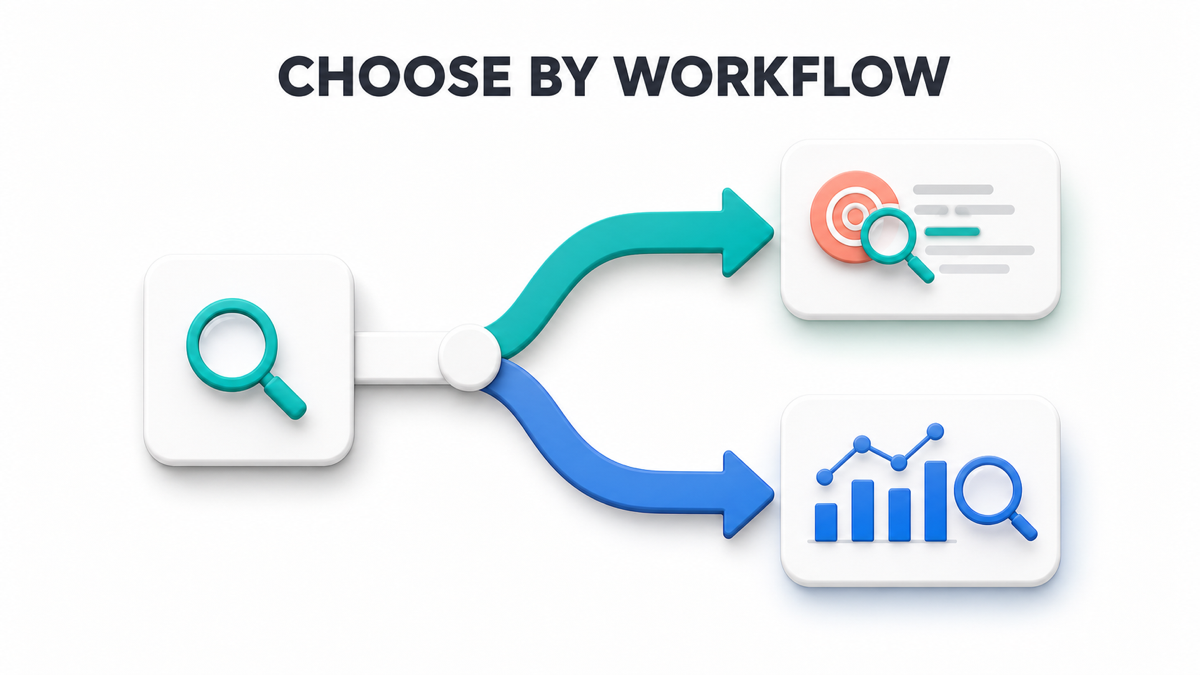
The easiest way to avoid cannibalizing your own articles is to give each tool a distinct search job.
Use LowFruits for content about low-authority sites, weak SERPs, long-tail clusters, niche validation, and budget-conscious analysis. A strong tutorial can begin with one seed topic, show how opportunities are filtered, and end with a prioritized content plan.
Use Keysearch for affordable all-in-one SEO, daily keyword research, beginner rank tracking, site audits, backlink checks, and YouTube keyword research. A strong tutorial can show how one idea moves through research, evaluation, publishing, and monitoring.
The niche site software affiliate programs guide gives both tools short listicle sections. A dedicated comparison must go further by testing workflow, limits, affiliate evidence, and reader fit. The budget SEO tool affiliate programs guide provides broader category context.
Alternatives Worth Mentioning
Some readers will need a different balance of simplicity and breadth. Mangools is another accessible SEO suite with multiple focused tools. Ubersuggest can fit readers who want recognizable keyword and competitor research inside a broader content marketing workflow.
The existing Mangools vs Ubersuggest affiliate comparison is a useful next step for readers who decide that both LowFruits and Keysearch are too narrow for their preferred content angle.
Do not add alternatives only to increase link count. Mention them when a reader has a clear reason to reject the two primary options, such as workflow breadth, brand familiarity, pricing structure, or reporting needs.
Common Comparison Mistakes
The first mistake is repeating stale directory terms after a first-party page changes. LowFruits currently demonstrates this risk because the official affiliate page and directory summary disagree on duration and cookie length.
The second mistake is calling an unavailable field unlimited or lifetime. Keysearch's public page says 30% recurring, but it does not expose enough detail to support a lifetime-income claim.
The third mistake is comparing percentages without product fit. A niche publisher searching for weak SERPs and a blogger seeking a wider SEO suite are not making the same purchase. A good comparison makes that difference obvious before presenting an affiliate link.
Key Takeaways for LowFruits vs Keysearch Affiliate Programs Compared 2026
The LowFruits vs Keysearch affiliate program choice comes down to evidence and audience. LowFruits currently provides clearer public cookie and duration terms plus a focused low-competition research story. Keysearch publishes a higher recurring percentage and offers a broader, predictable subscription toolkit, but several payout and attribution details require dashboard confirmation.
Choose the tool your audience can use and understand, verify the current agreement, and build one distinct workflow around it. Browse FindAffiliates when you need additional SEO programs to compare against the same buyer job.
FAQ
Which affiliate program pays a higher public percentage?
Keysearch publishes 30% recurring commission, while LowFruits publishes 20% recurring for up to one year. The higher percentage does not settle total value because duration, attribution, retention, and qualifying payments also matter.
What is the LowFruits affiliate cookie duration?
The current official LowFruits affiliate page publishes a 180-day cookie. A live directory summary still shows 60 days, so use the first-party page and confirm the approved dashboard before publishing a claim.
Does Keysearch pay lifetime recurring commission?
The public Keysearch affiliate page says 30% recurring but does not define a lifetime duration. Do not call it lifetime commission unless the current approved agreement states that term.
Is LowFruits or Keysearch better for niche site audiences?
LowFruits is usually easier to position for weak-SERP analysis and focused long-tail discovery. Keysearch is usually easier to position for bloggers who want keyword research, audits, competitor checks, backlink data, and rank tracking in one subscription.
Can an affiliate promote both LowFruits and Keysearch?
Yes, if both programs approve the affiliate and the content gives each tool a distinct buyer job. Separate tracking links and comparison pages make it easier to measure which workflow converts.