How to Start Affiliate Marketing With No Money in 2026
Start affiliate marketing with no money by choosing a focused niche, using free channels, and applying to suitable programs. Follow a 30-day plan.
On this page (11)
What Should You Compare Before Choosing?
You can start affiliate marketing with no money if you already have internet access and a device, choose a free publishing channel, and avoid paid tools, ads, and courses at the beginning. That means no new cash outlay, not no costs at all: you still invest time, access to a platform, research, and the effort required to meet each program's rules.
The safest way to begin is to pick one audience problem, publish useful content on a free channel, and apply only to programs that match your content. Do not buy a course or run ads to test an idea before you can explain who the content helps and what evidence would make you continue.
| Choice | Free starting point | Cost or limit to watch |
|---|---|---|
| Publishing | A social profile, free newsletter tier, or community you already use | Platform access and reach can change |
| Research | Product documentation, public reviews, and your own comparison notes | Time and access to products |
| Link tracking | The program's basic reporting and a simple spreadsheet | Reporting may be delayed or limited |
| Website | Optional at the start | A domain, hosting, and paid tools can wait |
| Promotion | Useful organic content | Paid traffic can lose money before you know what converts |
This guide gives you a seven-step path and a practical 30-day schedule. It does not promise approval, traffic, or income.
1. Define what no-money means for your starting point
Before choosing a niche, write down which expenses are off limits. For example, you might commit to spending nothing on a domain, hosting, ads, premium software, inventory, or training for the first month. Use a phone or computer and internet connection you already have. If you need to buy either of those to participate, the plan is no longer zero-spend.
Affiliate marketing is performance-based. You recommend another business's offer using a tracked link, and the business may pay a commission when a qualifying action occurs. A program may charge you nothing to apply, but still require an established channel, original content, an audience, or approval. Free to join does not mean guaranteed acceptance or payment.
Treat your time as a real input. A no-cash plan can still be costly if it consumes weeks on a topic you do not understand or if you publish only promotional links. Define a small trial period and the signal you want to see, such as readers saving a guide, asking a follow-up question, or clicking an offer after reading a comparison.
A practical plan to start affiliate marketing with no money should set that trial period before you publish. Decide what result would justify continuing, and what would tell you to change the topic or channel.
2. Choose one audience and one problem you can explain
Start with a subject you can discuss accurately. Look for a group you understand and a recurring decision they need to make, such as choosing a scheduling app, preparing for a hobby, or comparing tools for a small business. A narrow audience makes it easier to write helpful content and find relevant programs.
Use three questions to test the idea:
- Can you name a specific person who has this problem?
- Can you answer at least ten useful questions about it without copying another creator?
- Are there legitimate products or services that solve part of the problem?
If you cannot answer those questions, keep researching before applying to programs. Do not select a product only because someone advertises a high commission. A poor fit can reduce trust and create extra work for readers who follow your recommendation.
Create a one-sentence audience statement. For example: “I help first-time home bakers compare practical tools for a small kitchen.” Use it to filter content ideas and program offers. Avoid broad promises such as “I help everyone earn money online.”
3. Choose a free channel you can keep using
You do not need a website to begin, but you do need a channel where your audience can find the content and where your chosen affiliate program permits promotion. Possible free starting points include an existing social account, a free newsletter tier, or a community you already manage. Check the channel's current terms and the program's rules before posting links.
Choose one main channel for the first month. A short-form video account works well for demonstrations and visual comparisons. A newsletter is useful for readers who want recurring tips. A community can support questions, but its rules may restrict promotion. Publishing in several places at once can divide your effort before you know which format is useful.
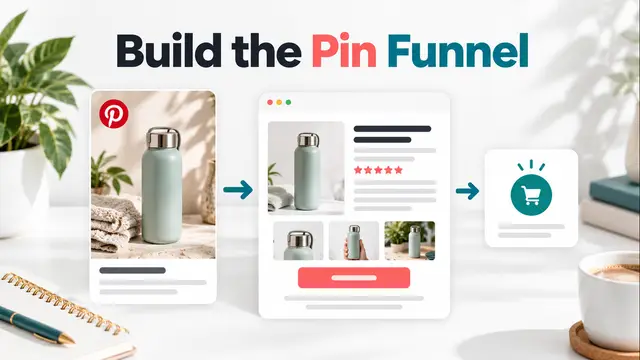
If you want to start without a site, our guide to affiliate programs for beginners with no website explains how to evaluate channel eligibility. The affiliate marketing funnel for beginners also shows how discovery, useful content, and a recommendation fit together.

Do not treat a platform account as an asset you fully control. Keep a copy of your original notes and content, and make sure your audience can identify you clearly. If the platform changes reach or link features, you may need another channel later.
4. Publish useful examples before asking people to buy
Prepare three to five pieces that answer real questions before you apply to programs. Examples include a setup walkthrough, a budget comparison, a checklist, a lesson from your own use, or a clear explanation of when a product is a poor fit. Each piece should help a reader even if it contains no affiliate link.
Use public documentation and hands-on experience as evidence. If you have not tested a product, say what you have and have not verified. Do not invent performance results, personal experience, discounts, or features to make an offer sound stronger.
For a home-baking audience, an early content set could include a small-kitchen buying checklist, a comparison of two mixing methods, and a guide to cleaning reusable equipment. The reader gets practical help first. Later, if a relevant program approves the channel, a link can appear where it supports a decision.
Draft each piece with a simple structure: state the reader's question, give the short answer, explain how you reached it, note any limits, and offer the next step. A concise article with a useful example usually does more for trust than a long stream of product links.
5. Apply to a few relevant programs and read the terms
Once your channel has original, focused content, look for programs that fit the audience. Use the Shopify Affiliate Program, Etsy Affiliate Program, and Canva Affiliate Program as examples of distinct offers to research. They serve different use cases, so do not apply to all three unless they genuinely fit your content.
Before applying, check who can join, which channels are accepted, how referral links work, what actions qualify for commission, how cancellations or returns affect referrals, and how payments are issued. Save a copy of the current terms and note when you checked them. Terms can change, and an old search result may not reflect the current offer.
Amazon Associates illustrates why “free to join” is not the same as “no requirements.” Its application review guidance says applicants need at least three qualifying sales within the first 180 days, and personal orders do not count. For social networks, Amazon says a substantive number of organic followers is generally expected, in most cases at least 500. Those are Amazon's rules, not a universal standard for other programs.
Apply to a small number of relevant programs and answer the questions honestly. If you are not accepted, read the reason and improve the channel before trying again. Do not repeatedly submit empty or unfinished profiles.
6. Add links with clear disclosures and useful context
When a program approves you, place each link where it helps a reader take a relevant next step. Explain why the offer may fit, who should compare another option, and what limitations you know about. Do not hide a link in a list of unrelated products or describe a paid relationship as a neutral recommendation.
The Federal Trade Commission's Disclosures 101 guide for social media influencers says to disclose a financial or other material relationship clearly and near the endorsement. For video, the disclosure should appear in the video itself, not only in the description. Follow the program's terms and the rules that apply to your audience and location.
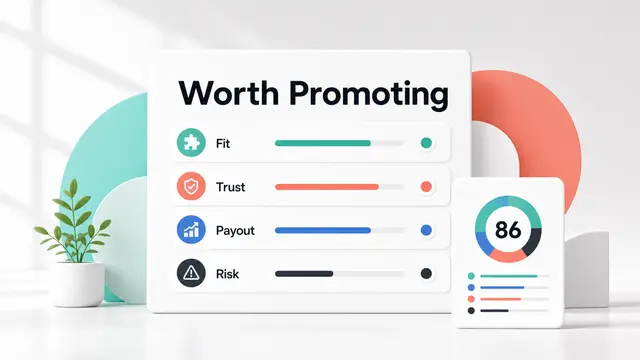
If your content compares several options, the affiliate program research checklist can help you review fit, terms, and source confidence before you recommend one. Keep the link relevant to the exact question the content answers.
7. Measure the first signals before spending money
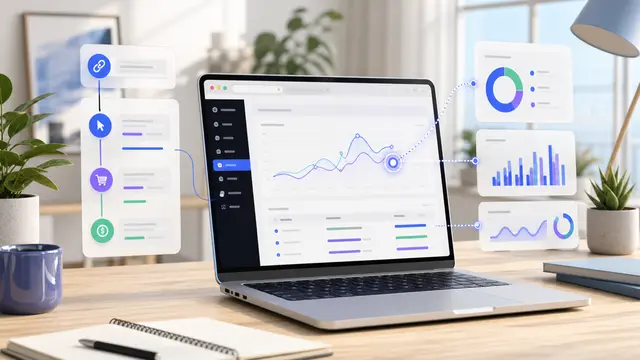
Track a few simple numbers once a week: content published, views or opens, meaningful replies, clicks, approved referrals, and any commission the program reports. Record the reporting date and the program's attribution window. A click may not turn into a qualifying sale, and a reported conversion can later be reversed.
Use the program dashboard and a free spreadsheet before paying for analytics software. Keep separate notes for each channel and offer so that a strong post does not make every product look successful. Review which questions brought useful engagement and which links were relevant to that audience.
Only consider paying for a tool or a website after you can state what problem it will solve and how you will judge the result. Do not borrow money or buy inventory to run an affiliate test. Affiliate marketing can produce no commissions, particularly while an account is new or a channel has limited reach.
| Week | No-spend action | Evidence to review |
|---|---|---|
| 1 | Choose one audience, one problem, and one channel | Can you describe the reader and their decision? |
| 2 | Publish two helpful pieces with no sales pressure | Which questions or examples attract useful responses? |
| 3 | Publish two more pieces and review relevant programs | Do the program rules accept your channel and content? |
| 4 | Apply selectively, disclose approved links, and review results | What did readers click, ask, or ignore? |

Mistakes to avoid when starting with no money
- Buying tools before defining the problem: Start with the free features you already have. Pay only when a clear bottleneck justifies the expense.
- Applying everywhere: Programs review content quality and channel fit. A smaller set of relevant applications is easier to maintain.
- Publishing links without context: Explain the use case, trade-offs, and relationship. A raw link gives readers little reason to trust the recommendation.
- Treating a commission rate as proof of fit: A high rate cannot make an unsuitable product useful to your audience.
- Expecting immediate income: Approval, reach, clicks, qualifying actions, and payment timing all take time and vary by program.
Key Takeaways for How to Start Affiliate Marketing With No Money in 2026
To start affiliate marketing with no money, use a channel you already have, solve a specific audience problem, publish useful original content, and apply to a short list of relevant programs. Keep a clear record of the rules and results, disclose relationships beside endorsements, and wait for evidence before adding paid costs.
Browse the FindAffiliates program directory to research offers by category. Treat each listing as a starting point, then verify current terms with the advertiser before applying.
FAQ
Can I start affiliate marketing with no money and no website?
Yes, if you already have a device and internet access and choose a free channel accepted by the program. A website can help later, but it is not a universal starting requirement.
Do I need followers before joining an affiliate program?
Requirements vary by program and channel. Some programs accept newer publishers, while others ask for original content, an established account, or a substantive audience. Check the current application rules before applying.
Is affiliate marketing really free?
You may be able to start without paying for a domain, ads, or tools, but your time, internet access, and content work still have costs. Some platforms or programs may also add requirements that affect your setup.
How long does it take to earn an affiliate commission?
There is no fixed timeline. You need program approval, relevant content, audience reach, a qualifying referral, and any required validation period. A new channel may earn nothing during its first month or longer.