Affiliate Programs for Beginners With No Website 2026
Find affiliate programs for beginners with no website, including Fiverr, Canva, Shopify, Tally, and Kit, plus channel rules and approval tips.
On this page (8)
Which Affiliate Programs Are Worth Comparing First?
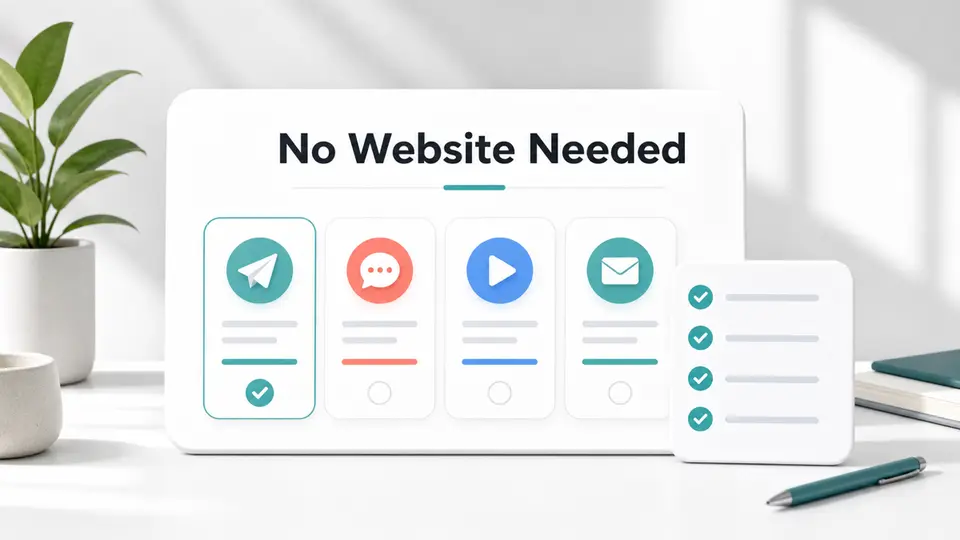
Affiliate programs for beginners with no website can work, but only when the program accepts your real promotion channel. A YouTube channel, TikTok account, Pinterest profile, newsletter, community, or client audience can be enough for some programs if it shows clear niche fit.
The practical takeaway is simple: do not apply everywhere. Pick programs that match the channel you already use, build useful content before pushing links, and verify each program's traffic rules before you treat social-first promotion as allowed.
This guide focuses on beginner-friendly programs that can fit creators who are not ready to run a full blog yet.
How To Choose A Program Without A Website
When you do not have a website, your channel has to do more proof work. A program owner cannot review a blog archive, so they need to understand your audience from your profile, posts, videos, newsletter archive, or community.
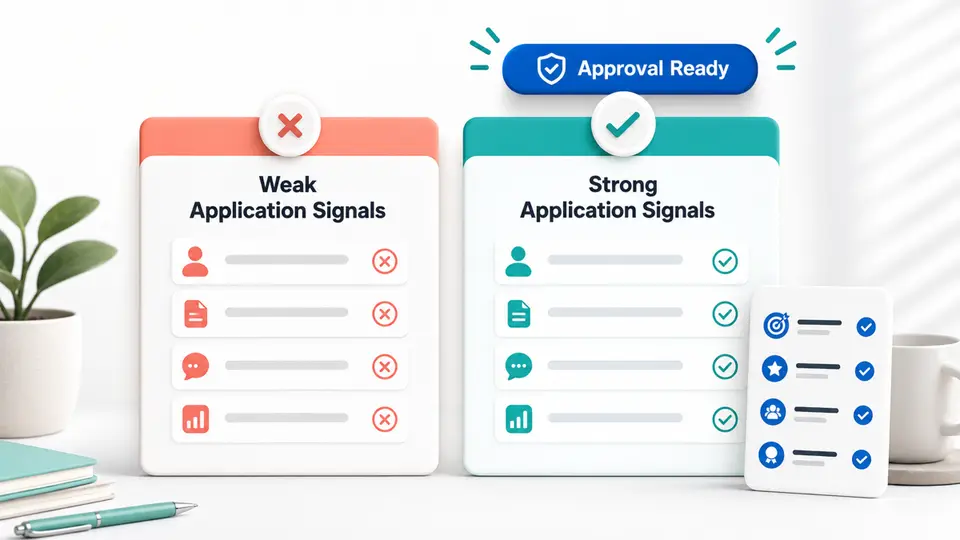
Strong signals include a clear topic, recent useful content, visible audience interaction, honest disclosure language, and a first promotion plan. Weak signals include an empty profile, random topics, copied product screenshots, or a plan that only says you will share links.
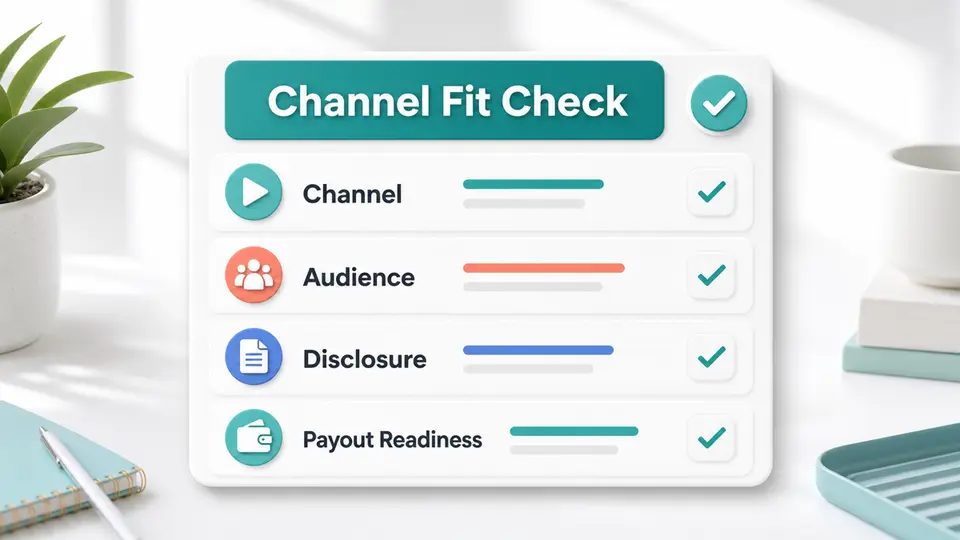
Use the same logic before choosing any affiliate programs for beginners with no website. If your channel teaches freelancers, a services marketplace may fit. If you create design tutorials, a design tool is easier to explain. If your audience is starting a business, a form builder, email tool, or commerce platform can make sense.
Best Affiliate Programs For Beginners With No Website
Fiverr
Fiverr is a practical first affiliate program for creators who teach freelancing, online business, content production, podcasting, video editing, design, or startup operations. The product is easy to understand, and readers often know the problem before they click: they need a service provider.
The FindAffiliates listing shows a 25% to 100% commission range and a 360-day cookie window. Fiverr's program can fit no-website affiliates when the creator has a strong social channel, YouTube tutorial path, newsletter, or community where service recommendations feel natural.
The best content is use-case driven. Examples include "best Fiverr gigs for podcast editing," "how to hire a thumbnail designer," or "freelance services for a new Shopify store." That is stronger than dropping a generic Fiverr link into every post.
Canva
Canva fits beginners because the product is visual, affordable, and easy to demonstrate without a website. A creator can teach social graphics, YouTube thumbnails, lead magnets, media kits, classroom worksheets, or small-business brand kits directly inside short videos and carousels.
FindAffiliates currently lists Canva at 25% commission. Affiliates should still verify current application access, cookie duration, and promotional restrictions before building a campaign around exact payout claims.
Canva is strongest when the tutorial itself creates demand. A pin design walkthrough, Instagram carousel template, or mini lesson on client proposal graphics gives the viewer a real reason to try the tool.
Tally
Tally is useful for creators who teach startups, creators, solo consultants, coaches, and no-code workflows. It can support content about client intake forms, waitlists, quizzes, lead magnets, calculators, and simple product research forms.
The FindAffiliates listing shows up to $150 commission. That makes Tally interesting for beginner affiliates who can explain simple business workflows without needing a full review website.
Tally works well in newsletter, LinkedIn, YouTube, and community content because the use case is concrete. A creator can show how to build an intake form, then recommend the tool as part of the workflow.
Kit
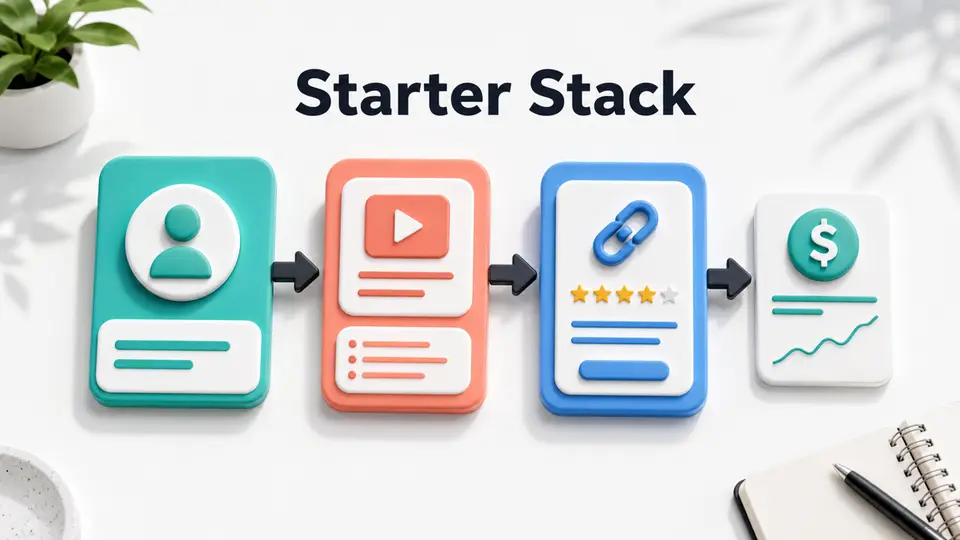
Kit is a good fit for creators who already talk about newsletters, creator businesses, online courses, digital products, or audience ownership. It is also useful for beginners who want to move beyond one social platform.
Kit's official affiliate page says partners can earn 50% commission for 12 months, plus 10% to 20% recurring revenue beyond 12 months when they earn status. FindAffiliates lists Kit at 50% commission. That combination gives affiliates a clear payout story, but the status rules should be checked before making long-term recurring claims.
Kit is not the easiest first promotion if your audience has no email list yet. It works best when you teach a concrete list-building step, such as a landing page, lead magnet, welcome sequence, or creator product launch.
Shopify
Shopify is a stronger fit for beginner affiliates with business, ecommerce, Etsy, product, retail, or creator-commerce content. The official Shopify affiliate page describes competitive commissions for referring entrepreneurs to Shopify.
FindAffiliates lists Shopify at $150 commission and a 30-day cookie. Shopify can be valuable, but it is more competitive than simpler beginner programs because many affiliates already target ecommerce searches.
If you do not have a website, use specific channel content. Strong angles include "how to set up a simple product page," "Shopify checklist for handmade sellers," or "tools to start a one-product store." Avoid promising income or making store success sound automatic.
What To Prepare Before Applying
Affiliate programs for beginners with no website still need proof. Before applying, make sure your public channel shows a clear topic and at least a few useful posts that match the program.
Write a short promotion plan. It should name your channel, audience, content format, and first three content ideas. A program owner should understand why your audience would care.
Also prepare disclosure language. The related affiliate product review template can help you structure recommendations, and the affiliate review disclosure examples guide gives practical disclosure wording for blogs, email, video, and social posts.
Comparison Table
| Program | FindAffiliates terms checked | Best no-website fit | Content angle |
|---|---|---|---|
| Fiverr | 25% to 100%, 360-day cookie | Freelance, creator, and service education | Service roundups and hiring tutorials |
| Canva | 25% commission | Design, social media, teaching, small business | Template workflows and design lessons |
| Tally | Up to $150 commission | Startup, creator, no-code, and consulting content | Form workflows and client intake tutorials |
| Kit | 50% on FindAffiliates, official page says 50% for 12 months | Newsletter, creator business, course, and audience growth | Landing pages, lead magnets, welcome sequences |
| Shopify | $150 commission, 30-day cookie | Ecommerce, product, and small-business creators | Store setup and ecommerce workflow guides |
Mistakes To Avoid
Do not assume every program accepts every traffic source. Some programs are comfortable with YouTube, newsletters, or social creators. Others may want a website, a larger audience, or a specific kind of content.
Do not lead with commission alone. A high payout is useless if your audience does not understand the product or if your channel cannot explain the use case.
Do not hide the affiliate relationship. Make the disclosure clear near the recommendation, not only in a profile footer or an old terms page.
Do not scale link posts before you have helpful content. A beginner affiliate account is easier to approve when the channel already teaches something useful.
Key Takeaways for Affiliate Programs for Beginners With No Website 2026
The best affiliate programs for beginners with no website are the ones that match a real channel and a real audience. Fiverr, Canva, Tally, Kit, and Shopify can all work, but they need different content angles.
Start with one program, publish useful channel-native content, disclose clearly, and verify traffic rules before you scale. When you are ready to compare more offers, browse FindAffiliates and build a small portfolio around the audience you already understand.
FAQ
Can I join affiliate programs without a website?
Yes, some affiliate programs accept creators with social profiles, YouTube channels, newsletters, communities, or client audiences. Always check the current application rules because some programs still prefer or require a website.
What is the best affiliate program for beginners with no website?
There is no single best choice. Fiverr is useful for service education, Canva fits visual tutorials, Tally fits simple business workflows, Kit fits newsletter creators, and Shopify fits ecommerce audiences.
Do I need a large audience to start affiliate marketing?
No, but you need a clear audience. A small channel with focused content can be stronger than a large account with random topics and no obvious buyer intent.
How should I disclose affiliate links on social media?
Place the disclosure near the recommendation or link. Use plain wording such as "affiliate link" or "I may earn a commission" so the relationship is clear before someone clicks.