Black Friday Affiliate Content Checklist: 7 Checks for 2026
Use this Black Friday affiliate content checklist to verify offers, gift-guide claims, disclosures, links, and sale changes before the 2026 rush.
On this page (6)
What Should You Compare Before Choosing?
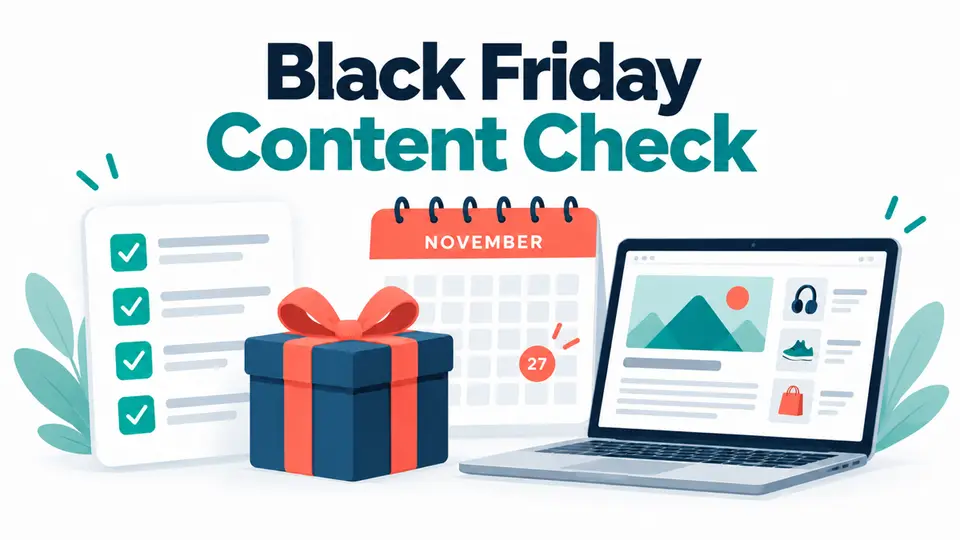
A Black Friday affiliate content checklist helps publishers prepare useful buying guides before shoppers arrive, then keep every offer, link, and claim accurate while promotions change. In the United States, Black Friday 2026 falls on Friday, November 27, according to the holiday calendar. October is a good time to review the pages that need testing, updated terms, or a clear owner.
This guide gives you seven checks for a publisher-side workflow: decide which pages deserve attention, verify each offer, make recommendations useful, test links and disclosures, plan updates, and review the page after a promotion ends. It does not assume a particular retailer, discount, commission, or conversion rate.
Quick answer
Start with the pages that already help a reader make a purchase decision. Confirm each program's current promotion rules and product availability in its official account, update the page with dated evidence, test the live links, place a clear affiliate disclosure near recommendations, and assign someone to remove expired claims. A Black Friday affiliate content checklist is most useful when it includes a record of what was checked and when.
| Check | Evidence to save | When |
|---|---|---|
| Choose priority pages | Search, traffic, or reader need | This week |
| Verify each offer | Current program terms and sale details | Before editing |
| Improve the recommendation | Selection criteria, product use, and limits | Before publishing |
| Test every link | Destination, tracking, and mobile behavior | Before and during the sale |
| Review disclosure and claims | Visible disclosure and source notes | Before publishing |
| Schedule changes | Named owner and review dates | Before promotions start |
| Remove stale information | Updated or removed offer details | After each promotion |
The 7-check Black Friday affiliate content checklist
1. Choose pages by reader need, not by the date alone
List existing articles and gift guides that genuinely help your audience shop. Start with pages that receive relevant search visits, newsletter clicks, or reader questions. A seasonal deadline is not a reason to add an offer to an unrelated article.
For each page, write down the reader's decision. A home editor may compare materials and delivery options. A beauty creator may explain what a gift set contains and who might use it. A software publisher may need a current plan comparison, not a consumer gift guide. If the page cannot answer a buying question, leave it out.
2. Verify the program and promotion terms
Open the official affiliate account or program agreement for every recommendation. Check the eligible products, approved traffic sources, coupon rules, sale dates, return or cancellation treatment, attribution window, payout basis, and any restrictions on discount claims. Confirm that the account and links are active for the country where your readers shop.
Directory pages can help you discover possible programs, but they are not a substitute for the current agreement. For example, publishers can use FindAffiliates to find the Etsy affiliate program, Wayfair affiliate program, and Charlotte Tilbury affiliate program. These pages represent different catalogs and audience needs. They do not establish that the programs share a network, have the same terms, or will run a specific Black Friday promotion.
Save the official source, the date checked, and the exact claim you intend to make. If the program has not announced a sale, do not write that a discount is confirmed. If an offer is limited to selected items, say so instead of describing it as storewide.
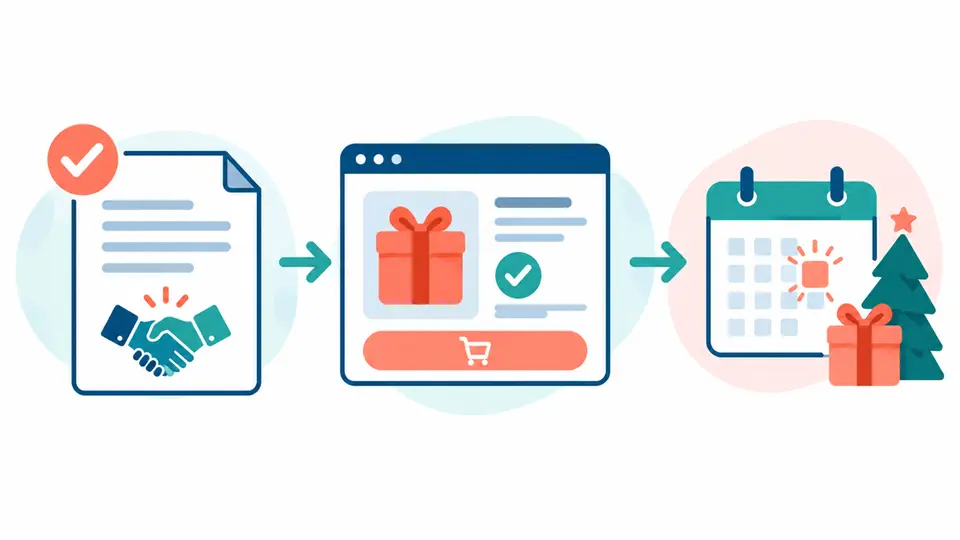
3. Make the page useful without relying on a discount
Explain how you selected the products or programs. Name the reader each option suits, relevant features, and important limits. Describe what you tested. If you have not tested an item, explain what supports the recommendation and link to reliable information.
Google's guidance for high-quality product reviews recommends showing evidence of experience and explaining what makes an item suitable for a particular use. Show readers the basis for each recommendation and make the limits clear.
Do not let a temporary discount carry the whole article. Prices, stock, shipping, and delivery estimates can change, and some readers will see the guide after the sale. Keep the useful comparison intact even when a deal expires.
4. Check product details close to publication
Review the offer on the merchant's current page before you publish. Confirm model names, included items, product availability, regional shipping, and any conditions attached to a price or discount. If the merchant does not show a public sale date or price, do not infer one from a search snippet or a past campaign.
Use a visible “checked on” date for claims that may change quickly. If you mention a price, identify its currency and the date you saw it. Do not promise a delivery date or savings amount unless the merchant supports the statement and the conditions are clear.
For products with multiple variants, be specific about the version you mean. A gift guide that recommends a product category without explaining size, compatibility, or intended use can create returns and frustrate readers.
5. Test the link, tracking, and disclosure
Click every affiliate link from the published page on desktop and mobile. Confirm that it reaches the intended product or program, preserves the approved referral identifier, and does not land on a broken, unavailable, or different offer. Check any link shortener or redirect against the program's rules.
Place a clear affiliate disclosure where readers will see it before or near the first recommendation. The Federal Trade Commission's endorsement guidance explains that a material connection should be disclosed clearly and conspicuously. A disclosure at the bottom of a long guide may not be clear to someone who encounters a product link near the top.
Do not use a vague label such as “partner link” if it does not tell readers that you may earn a commission. Keep the wording simple, readable, and close to the commercial content. Follow the program's own rules as well as applicable law in the places where you publish.
6. Assign update windows and a fallback plan
Promotions can begin, change, sell out, or end while a guide is receiving traffic. Put a named owner and a next review time beside each priority page. Review time-sensitive offers at launch, after a reported change, and before scheduled email or social promotion. If you cannot monitor an offer, use a stable product comparison without a temporary deal claim.
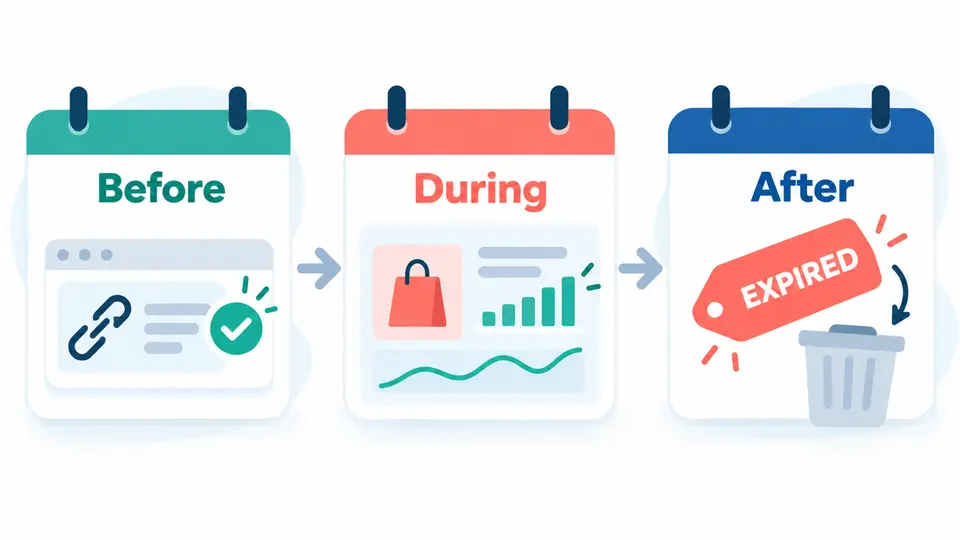
The Black Friday affiliate content checklist should name who owns each update. Use this simple schedule:
- Before launch: verify the terms, page claims, links, disclosure, and mobile layout.
- At promotion start: check that the sale is live and the landing page matches the recommendation.
- During the event: review high-traffic pages when a reader report, merchant notice, or availability change arrives.
- After the event: remove expired discount language, replace broken links, and preserve useful evergreen information.
For a deeper review, use the affiliate content refresh checklist and affiliate link redirect audit checklist. The affiliate program research checklist helps record terms and source confidence.
7. Keep a change log and remove expired claims
Record what changed, who checked it, and which source supports the current statement. If a discount ends, remove it promptly. If a product is unavailable, mark that clearly or replace it only after reviewing the new product and program terms. Do not leave a crossed-out sale price in a way that still looks like a current deal.
After the promotion, compare the page's usefulness and reader feedback with the work required to maintain it. Keep the article if it still answers a durable question. Set a reminder for the next review instead of assuming that a 2026 claim will be accurate next year.
A simple publication gate
Before a seasonal page goes live, confirm each item:
| Gate | Pass condition |
|---|---|
| Reader fit | Every recommendation answers the page's stated buying question |
| Source | Current offer and product facts come from a source you checked |
| Claim | Price, discount, availability, and delivery language has a date or clear limitation |
| Link | Destination and approved tracking work on mobile and desktop |
| Disclosure | Readers can see the affiliate relationship near recommendations |
| Ownership | Someone is responsible for the next review and expired-offer cleanup |
Use FindAffiliates to discover affiliate programs, then verify current terms with each provider before applying or publishing a claim.
Key Takeaways for Black Friday Affiliate Content Checklist: 7 Checks for 2026
A Black Friday affiliate content checklist should protect reader trust while making your seasonal pages timely. Choose pages that match real shopping intent, verify each offer, explain your recommendation criteria, test tracking and disclosures, schedule updates, and remove expired claims. Those steps remain useful even when a particular promotion changes.
FAQ
When should I start preparing Black Friday affiliate content?
Start early enough to verify the programs, product details, and content you want to update. For Black Friday 2026, October is a practical time to organize the work because the event is on November 27. Continue checking time-sensitive claims as the sale approaches.
Should I add a discount to every affiliate gift guide?
No. Add a discount only when the merchant has confirmed it and the offer applies to the products you mention. A useful guide can explain product fit and tradeoffs without a temporary price.
How often should I check affiliate links during a sale?
Check priority links before publication and near the promotion start. Recheck when a merchant changes the offer, a reader reports a problem, or your own monitoring finds a mismatch. The review interval should reflect traffic and the cost of a broken or misleading link.
Where should an affiliate disclosure appear?
Put a clear disclosure before or near the first affiliate recommendation so readers encounter it before following the link. Review the FTC's current guidance and the rules for the programs and channels you use.
Can I use a directory listing as the source for a commission claim?
A directory listing is useful for discovery and comparison, but verify the current commission and attribution terms in the provider's official program account or agreement. Save the source and date so you can update the claim if the terms change.