7 Affiliate Marketing Startup Costs by Channel in 2026
Compare seven affiliate marketing startup costs by channel in 2026, with current website and email examples, optional spend, and a simple budget formula.
On this page (11)
What Should You Compare Before Choosing?
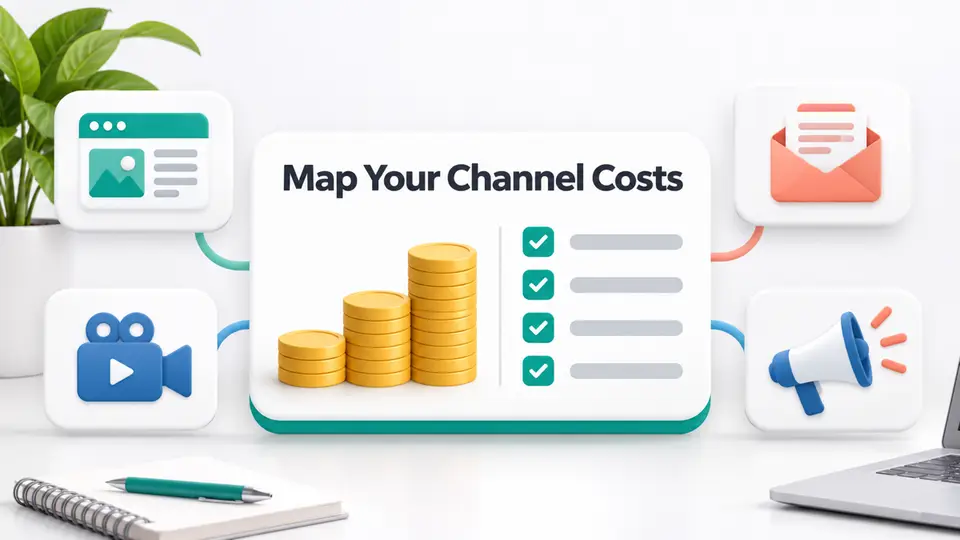
Affiliate marketing startup costs depend on the channels you choose, the equipment you already own, and how much work you do yourself. There is no single fee that every affiliate must pay before publishing a link. A blog needs a different setup from a newsletter or a video channel, and paid promotion is optional.
The most useful first budget separates one-time purchases, recurring platform fees, variable production costs, and optional advertising. A useful estimate of affiliate marketing startup costs starts with the channel you plan to publish on, not a generic business plan. That helps you compare two channel plans without assuming that every new affiliate needs a website, a camera, a paid email tool, and ads at the same time.
This article focuses on cost planning by channel. The separate guide to starting affiliate marketing with no money is about first actions and a no-new-cash plan. Here, the goal is to estimate what a particular publishing setup may cost over its first month or year.
Quick answer: the lowest-cost channel is usually the one that uses a device and audience you already have. Add expenses only when the channel requires them, and record each as one-time, monthly, or optional.
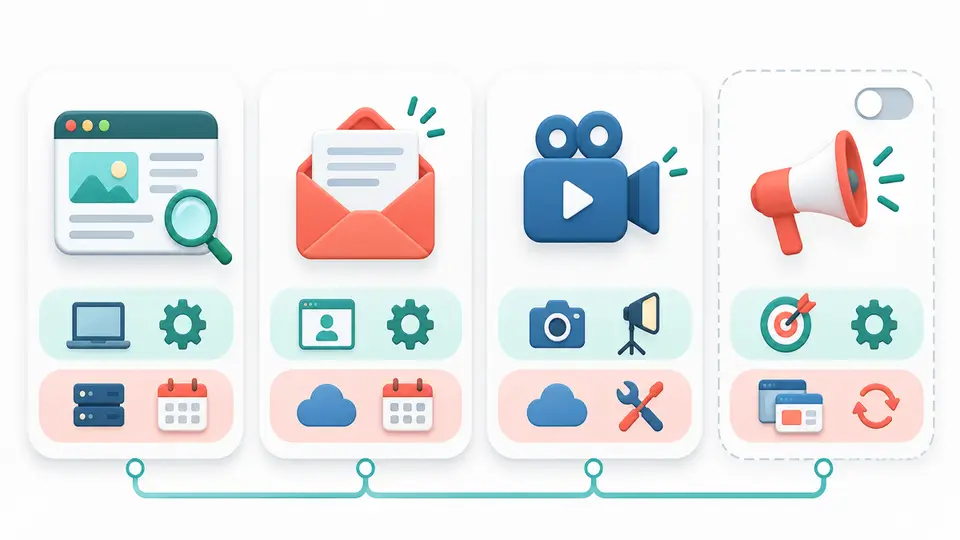
| Channel | First costs to check | Recurring costs to plan |
|---|---|---|
| Blog and SEO | Site platform, domain, hosting, content setup | Hosting, domain renewal, optional research tools |
| Newsletter | Signup page, email service, sender setup | Subscriber or send tier, optional automation |
| Organic video or social | Phone or camera, microphone, lighting | Editing, storage, production time |
| Paid distribution | Landing page and tracking | Optional ad budget and creative refresh |
1. Website platform, domain, and hosting
A blog or SEO channel may need a publishing platform, a domain, and hosting. Those can be bundled or billed separately, so compare the full first-year and renewal cost rather than looking only at a monthly headline.
WordPress.com currently shows its Personal plan at US$4 per month when billed annually. Hosting is included, and annual paid plans include a custom domain for the first year. Its free plan uses a WordPress.com subdomain. Prices exclude taxes and can change, so check the WordPress.com pricing page before choosing a plan.
Self-hosted setups give you more responsibility. Hosting, domain renewals, backups, security, and site maintenance may be separate line items. The SiteGround affiliate program listing can help you research a hosting offer if your audience asks about website setup, but an affiliate listing is not a reason to buy hosting you do not need.
2. Email capture and delivery
A newsletter can add value by giving readers a way to hear from you again, but list growth is not a requirement for every affiliate channel. Before paying, check whether your chosen provider limits active subscribers, monthly sends, automations, forms, or seats.
MailerLite currently lists a free plan for up to 250 active subscribers and 2,500 monthly emails. Its Comfort plan starts at US$12 per month. These are examples of one provider's current limits, not a universal newsletter price. Check the MailerLite pricing page before you plan around a free tier. The email list building guide covers audience capture and cadence; use it alongside this cost breakdown.
If you may cover newsletter platforms for your audience, the MailerLite affiliate program listing is a separate place to review partner terms. Do not treat a possible future commission as money already available to cover your monthly bill.
3. Recording and production equipment
Video and audio channels can start with equipment you already own. A current phone, laptop microphone, or quiet room may be enough to publish a first tutorial. Additional costs such as a microphone, tripod, lighting, storage, or a quieter recording space depend on the format and quality target.
Write down what the content actually requires before buying gear. A screen-recorded software lesson may not need the same equipment as a product demonstration. An interview show may need a reliable microphone and remote recording workflow, while a short product clip may work with a phone and natural light.
Treat equipment as a one-time purchase unless you know it will need replacement. Keep cables, batteries, repairs, and shipping in a separate line so a checkout total does not hide later maintenance costs.
4. Content creation, editing, and design
The cost of content depends on whether you create it yourself, license materials, or pay someone else. Editing tools, photo assets, captions, thumbnails, templates, and transcription services can be optional additions. They should solve a clear publishing problem before they become recurring subscriptions.
If you teach design or creator workflows, the Canva affiliate program listing is one offer to research separately from your software budget. Verify current access and terms before recommending a plan. The tool's affiliate listing does not show that a paid plan is necessary for every publisher.
Also count your own time. Researching a claim, testing a product, writing a comparison, and updating old links all require hours even when no money changes hands. If you hire a writer, editor, or designer, add that as a project cost rather than blending it into a software subscription.
5. Product samples and hands-on research
Some product content can be written from official documentation, public prices, or a service you already use. Other reviews need a sample, a subscription, a return shipment, or time with the product. Do not buy items just to make a roundup look more complete.
For every planned product review, note what evidence you can get without buying anything and what would require a paid sample. If a claim depends on hands-on use, either test the product or say clearly that you are relying on the official specification. A budget should make that choice visible before you commission the article.
6. Tracking, disclosures, and operating time
Affiliate reporting tools can be free inside a program dashboard, included in a subscription, or sold as separate software. Start by recording the program, channel, destination URL, date, and reported conversion status in a simple worksheet. Pay for another tool only when it solves a reporting problem you can describe.
Keep routine administration on the same budget: a link review, program applications, tax records, and disclosure checks all take time. The affiliate review disclosure examples guide covers where disclosure language belongs in common content formats. Treat compliance review as part of publishing work, even when it has no separate invoice.
7. Optional paid promotion
Paid traffic is a variable experiment, not a startup requirement. If you choose to test it, decide the total amount you are willing to spend, how long the test will run, and what result would make you stop. Keep this budget separate from software and production costs.
Do not borrow to test an affiliate offer or assume that clicks will turn into approved commissions. Track ad spend, landing-page visits, affiliate clicks, and approved conversions separately. If the data is too small to support a conclusion, record that instead of increasing the budget automatically.
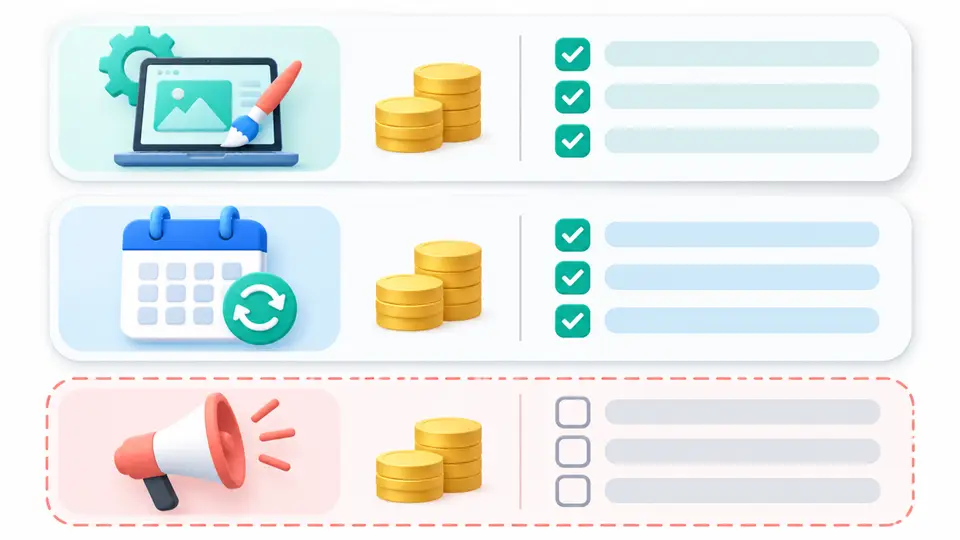
A simple affiliate marketing startup budget
Use this formula for a first planning period:
First-period cash budget = one-time setup + monthly fees for the period + variable production costs + optional promotion
For a blog, list the site plan, domain, and content costs. For a newsletter, list the signup platform and the subscriber tier you expect to use. For video, list only the equipment or editing work that the format requires. Add advertising only if you have a test plan and a firm spending limit.
Then create a second column for costs that begin after the first period, such as domain renewal, a higher email tier, subscription renewals, or replacing worn equipment. Recalculate affiliate marketing startup costs for each channel before a renewal or expansion decision. This avoids comparing a discounted first month with a full year of ongoing expenses.
Key Takeaways for 7 Affiliate Marketing Startup Costs by Channel in 2026
The right startup budget depends on the channel and the resources you already have. Start with the smallest setup that can publish useful content, then add a recurring expense only when the audience or workflow needs it. Review the total again before any renewal or ad test.
Use the FindAffiliates program directory to research offers that fit your audience, and keep expected commissions separate from money you have already earned.
FAQ
How much does it cost to start affiliate marketing?
There is no single startup fee. Your cash cost depends on whether you use a blog, email, social video, or paid traffic, and whether you already have the equipment and accounts those channels need.
Do affiliate marketers need to buy a website?
No. A website can help with search content and owned publishing, but some creators begin with social video, a newsletter, or another channel. Compare the audience, policies, and long-term costs before choosing.
Are email marketing tools free for beginners?
Some providers offer free plans with subscriber, sending, or feature limits. Check the current price page and identify which limit would cause a paid upgrade for your own list.
Should beginners pay for affiliate ads?
Paid traffic is optional. If you test ads, set a total spending limit and a stop rule first, then compare spend with approved conversions rather than clicks alone.