5 3D Printer Affiliate Programs for Makers in 2026
3D printer affiliate programs can fit makers who already publish printer tests, material guides, project tutorials, and buying advice. For a focused shortlist, compare Anycubic, Creality, Elegoo, Bambu Lab, and 3D Printing Canada. Their public listings differ in product range, commission evidence, attribution window, and regional reach, so the best fit depends on what your audience actually builds. Anycubic is.
On this page (6)
Which Affiliate Programs Are Worth Comparing First?
3D printer affiliate programs can fit makers who already publish printer tests, material guides, project tutorials, and buying advice. For a focused shortlist, compare Anycubic, Creality, Elegoo, Bambu Lab, and 3D Printing Canada. Their public listings differ in product range, commission evidence, attribution window, and regional reach, so the best fit depends on what your audience actually builds.
Anycubic is a useful starting point for broad printer and materials coverage, while 3D Printing Canada is tailored to Canadian buyers. The other listings cover distinct hardware audiences. Treat every public rate as a starting point, then confirm the terms in the exact account and country you plan to use.
Quick comparison
The table summarizes the current public listing details checked for this article. A stated rate is not a forecast. Product category, network, region, returns, and account terms can change what qualifies.
| Program | Public commission listing | Attribution listed | Audience fit |
|---|---|---|---|
| Anycubic | 5% minimum | 60 days | FDM and resin printer reviewers |
| Creality | 5% to 10% | 30 days | Multi-category maker channels |
| Elegoo | 5% | 30 days | Resin, FDM, and STEM content |
| Bambu Lab | 3% to 5% | 15 days | Desktop printer and material reviews |
| 3D Printing Canada | 3% | Not stated | Canadian makers and educators |
How we chose these programs
This list includes programs with a live FindAffiliates listing and products directly related to desktop 3D printing, materials, or maker equipment. We favored details that a publisher can check before applying: the product range, the reported commission basis, the attribution window, the application platform, and the regions served.
The order is not a quality ranking. A higher listed percentage does not automatically produce more revenue. A printer review may bring expensive product intent but fewer purchases, while a filament tutorial may help readers who buy repeat supplies. Compare the product that your page recommends with the product categories that actually qualify for commission.
Use the affiliate program research checklist to record the source date, commission base, attribution rule, approval criteria, and excluded sales before adding a program to your site. The public directory page is a discovery aid, not a substitute for the current agreement in your account.
Five 3D printer affiliate programs for makers
1. Anycubic for broad printer and materials coverage
The Anycubic affiliate program covers consumer and prosumer 3D printers, resin, filament, and accessories. The listing reports a minimum 5% commission and a 60-day cookie. Anycubic's official program information also describes its 5% starting commission and 60-day tracking window, with higher rates or bonuses dependent on performance. Confirm that those terms match your country and account.
This is a practical fit for channels that publish more than single-printer reviews. A creator can build a connected series around printer setup, material choice, cleaning, calibration, and finished projects. Keep regional storefronts and product eligibility visible: a product recommendation should link to the store that serves the reader, and the account terms decide whether that order qualifies.
2. Creality for a broad maker audience
The Creality affiliate program listing reports a 5% to 10% sales commission and a 30-day attribution window. Its product range covers printers, filaments, laser engravers, and accessories, giving a maker publisher several related topics to test rather than one narrow hardware review.
Creality's official affiliate page recommends Impact for new creator partners and says Awin remains available for existing and preferred publishers. That makes it especially important to compare terms inside the platform you will use. Check which products, countries, and content channels qualify before using the public range in a revenue estimate.
3. Elegoo for resin, FDM, and STEM content
The Elegoo affiliate program listing reports a 5% commission and a 30-day cookie. Elegoo sells resin and FDM printers as well as electronics learning kits, so its products can fit both hobbyist tutorials and education focused maker content.
A useful article can compare resin workflow and FDM workflow without implying that one printer type suits every reader. Link a program only where it matches the project, workspace, and material in the tutorial. Before publication, confirm the commissionable product list and tracking period in the active account, since network records and regional terms can change.
4. Bambu Lab for desktop hardware and materials reviews
The Bambu Lab affiliate program listing reports a 15-day attribution window and a 3% to 5% product-specific rate. Bambu Lab sells desktop printers, filament, and accessories, which can support detailed comparison content about workflow, setup, materials, and maintenance.
Awin's public Bambu Lab profile confirms the 15-day window and says rates differ by selected products, but it does not publish a universal percentage. Treat the directory range as a starting point, not a guarantee. Check the current campaign and item-level rate in your account before using a number in a comparison. A shorter listed window also makes link placement important: put a relevant recommendation near the tested product and keep the disclosure close to the link.
5. 3D Printing Canada for Canadian buyers
The 3D Printing Canada affiliate program lists a 3% commission. Its product range includes printers, filament, resin, scanners, parts, and accessories, while its audience includes Canadian makers, educators, creators, and industry professionals. The public listing does not state a cookie duration, so confirm attribution and payout details in your account before estimating earnings.
This retailer can be a strong regional fit when your audience is in Canada and wants a Canadian product source for printers, materials, and replacement parts. The directory listing does not state a cookie duration, so do not infer one from another program. Check the current agreement for eligible regions, payout timing, attribution, and the products included in the commission base.
A simple way to choose between the five
Start with a real audience question. If viewers ask which printer to buy, compare the exact models and show print results. If readers are trying to choose resin, filament, or replacement parts, answer that narrower need first. Then match the recommendation to a program that serves the audience's country and includes the product category.
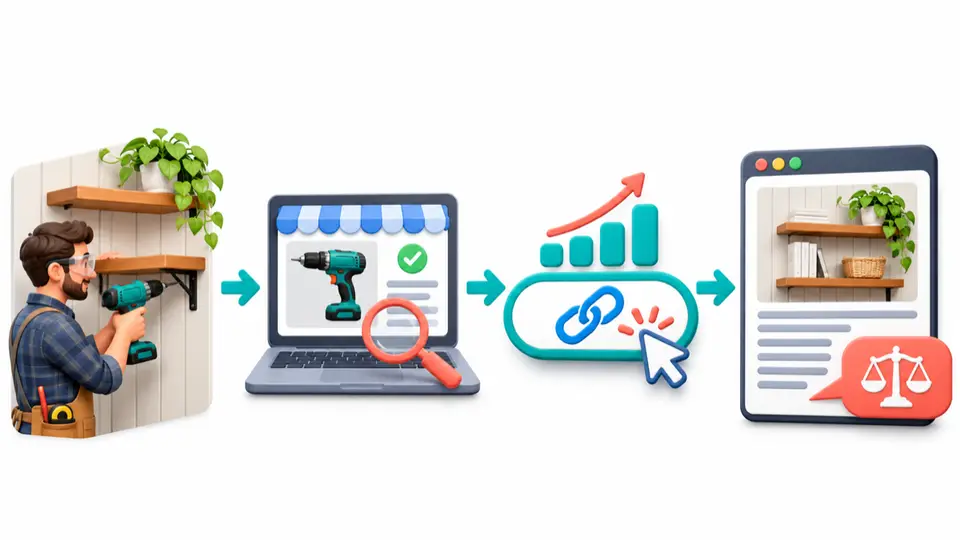
Record these fields in a small comparison sheet: product, program, region, eligible commission base, attribution window, payout threshold, payment timing, and date checked. If one term is not public, mark it unknown and ask the program before building an estimate. This gives a more useful comparison than ranking five programs by headline rate alone.
| Decision field | What to check before you promote |
|---|---|
| Product fit | Does the page recommend a product that the program counts? |
| Country | Can the retailer ship and pay affiliates in the audience's region? |
| Commission base | Is commission calculated on the full order, selected products, or net sales? |
| Attribution | What cookie or other tracking window applies in your account? |
| Payment | What threshold, schedule, and return rules delay or reverse a payout? |
| Content rules | Are reviews, tutorials, social posts, coupons, or paid search allowed? |
For a wider comparison, use the guide to comparing affiliate programs and browse the FindAffiliates directory for programs that match your audience. If you already run a maker channel, begin with products you have tested or can demonstrate. Be clear about affiliate links, separate personal experience from public terms, and update the page when a program changes its conditions.
FAQ
What are the best 3D printer affiliate programs?
Anycubic, Creality, Elegoo, Bambu Lab, and 3D Printing Canada are five current options to compare. The best choice depends on product fit, region, audience, and account-specific commission terms.
Which 3D printer affiliate program has the longest cookie window?
Anycubic's public program page lists a 60-day cookie window. Confirm that the same period applies to your country, account, and promoted products before relying on it.
Do 3D printer affiliate programs pay the same rate for every product?
No. Rates can differ by product, country, network, campaign, and qualifying order rules. Bambu Lab's directory listing, for example, reports a product-specific range, so check the item-level terms in your account.
Can a small maker channel join a 3D printing affiliate program?
Some programs accept different kinds of creators, but each program reviews its own application. Show relevant original content, explain how you use or evaluate the products, and confirm channel eligibility before adding links.