GoHighLevel vs Pipedrive Affiliate Programs for 2026
GoHighLevel vs Pipedrive affiliate programs favor different educators. Compare recurring rates, first-year limits, payout timing, and audience fit.

Which Affiliate Programs Are Worth Comparing First?
GoHighLevel vs Pipedrive affiliate programs suit different lessons and earning horizons. HighLevel offers ongoing commission on eligible active subscriptions. Pipedrive's published affiliate tiers pay on a referred customer's first 12 months. Choose the program your audience can use, then model the revenue you can realistically earn.
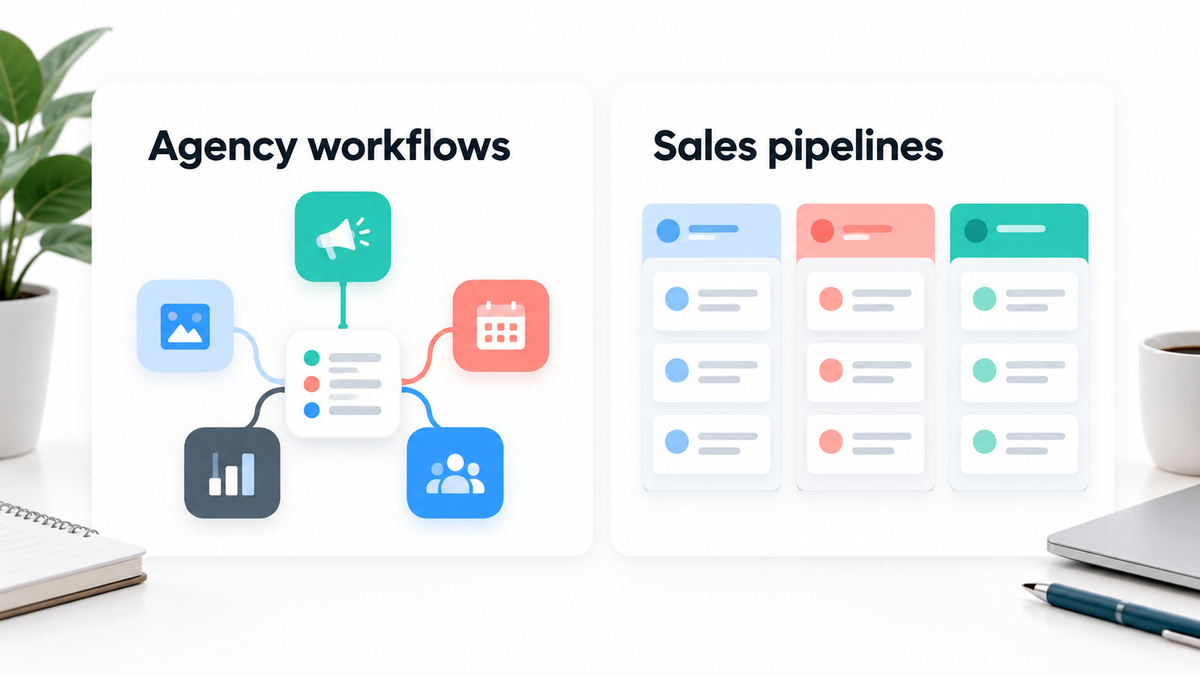
For agency educators, the strongest starting point is the lesson you already teach. A lead follow-up workshop and a sales pipeline course can attract different buyers, even when both audiences call their software a CRM. A larger advertised percentage cannot fix a recommendation that sends learners toward the wrong workflow.
This comparison uses public terms checked on October 5, 2026. It adds an educator's decision framework for audience fit, qualification, payout timing, and the boundary between public content and client services.
Quick comparison of the published terms
| Decision point | GoHighLevel | Pipedrive |
|---|---|---|
| Standard direct rate | 40% on listed eligible products | Rising 20%; Growth 30%; Power custom |
| Earning horizon | While the eligible subscription remains active and paid | First 12 months |
| Referral window | 90-day last-click, subject to policy exceptions | 90-day cookie; verify full attribution rules |
| Qualification detail | New purchase; 45 days in good standing without a pause | Check accepted dashboard terms |
| Educator starting point | Teach an agency workflow | Teach a sales process |
The rate and window facts come from the current HighLevel agreement and Pipedrive affiliate overview. The educator recommendations are our judgment. Your accepted agreement controls account-specific eligibility.
How we chose the comparison criteria
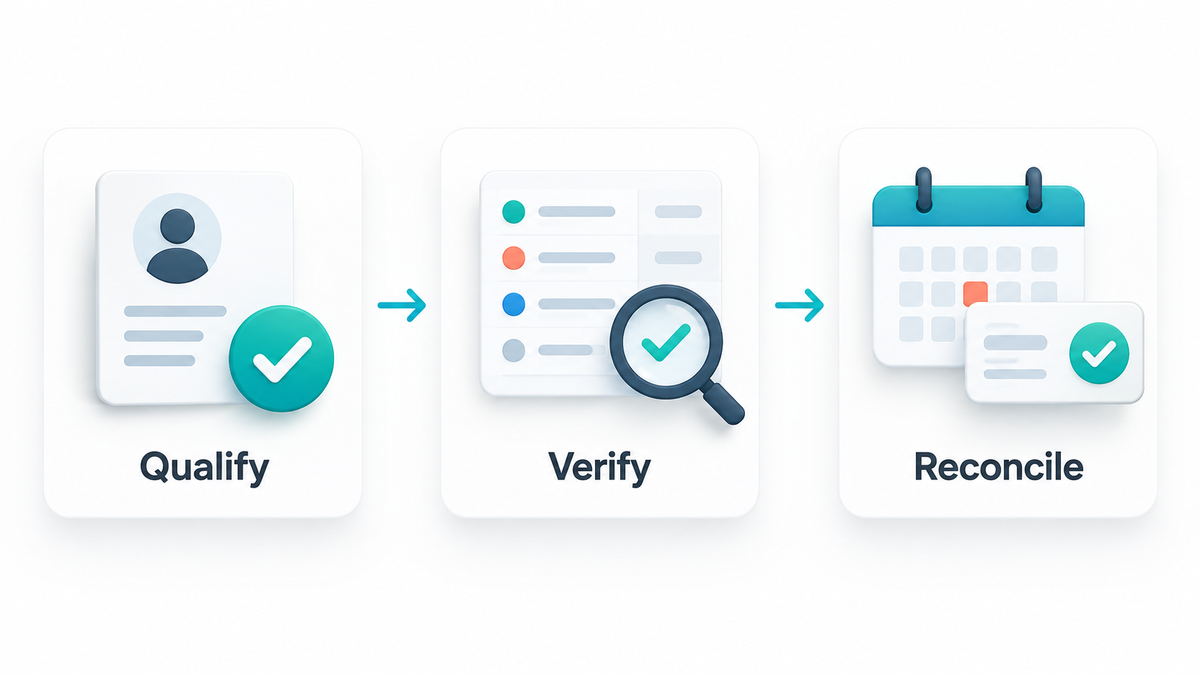
We assessed four questions: what lesson attracts a suitable buyer, when a referral qualifies, how long it can earn, and when approved earnings become available. Those questions connect educational content to a measurable business result.
Start your research with the GoHighLevel affiliate listing and Pipedrive affiliate listing. Keep the HubSpot affiliate listing as a third option if your learners need a different platform. Discovery should leave room for the right recommendation.
A directory summary helps you build a shortlist. Save the provider's current terms alongside it. Separate a publicly verified fact from an estimate you create, such as expected conversions or average retention. For a repeatable way to document unknowns, use the affiliate program research checklist.
How each referral program works
GoHighLevel rewards qualified subscription referrals
HighLevel's June 2026 agreement defines eligible products and qualifying purchases. Commission does not begin simply because someone starts a trial. Payments are generally monthly on the 15th after HighLevel receives the qualifying payment; threshold and account requirements can delay release.
For an educator, that means the useful result is a learner who buys a suitable product and keeps using it. Design a tutorial around one complete task. Show the inputs, the setup, the output, and the ongoing work needed to maintain it.
For example, an appointment follow-up lesson could explain where an agency records an inquiry, schedules the next action, and checks whether the process worked. Tell learners which steps require their own decisions. A demo should help them evaluate the workflow before choosing a subscription.
Pipedrive has performance tiers and a defined earning period
The Growth tier requires 2-5 monthly sales for six consecutive months; Power requires 6+ over that period. Model your starting tier until a higher rate is confirmed.
Pipedrive says commissions lock by the 7th two months after the transaction, with payment on the 13th and PartnerStack withdrawal above $5. Its overview also says affiliate and solution-provider enrollment are mutually exclusive.
That combination matters for course businesses. Regular teaching may create a steady referral stream, but a busy launch week alone does not establish six months of tier performance. Keep a monthly record so that one successful event does not become an inflated projection for the rest of the year.
An appropriate lesson might teach how a small sales team defines deal stages and assigns its next action. A learner should leave knowing how to recognize a stalled opportunity. The recommendation becomes stronger when the software appears as a tool for a clear sales habit.
Match the offer to the lesson and relationship
Choose GoHighLevel when your teaching centers on repeatable agency processes that you can demonstrate clearly. Choose Pipedrive when your audience asks how to organize opportunities and improve sales follow-up. These are content recommendations, not claims that either tool guarantees better results.
For GoHighLevel vs Pipedrive affiliate programs, ask learners what happens immediately after the lesson. Are they selecting software themselves, asking you to implement it, or buying a service that includes ongoing support? Write down that answer before choosing the referral relationship.
A public course with a software recommendation can lead learners to the provider directly. A consulting engagement can involve implementation, migration, or training responsibilities. Pipedrive's separate service-provider route is relevant to those activities, so confirm the appropriate enrollment before designing a combined offer.
If you teach several tools, give each a clear job. The sales software affiliate programs guide offers broader context for that shortlist. Educators considering another customer-platform audience can also read the GoHighLevel vs HubSpot comparison.
Build a lesson-to-payment forecast
Use one row per educational asset, such as a workshop, course lesson, or tutorial series. Record relevant visitors, link clicks, new paid referrals, qualified commissions, and cash received. Keep those stages separate so your report explains where performance changed.
Suppose a hypothetical workshop attracts 200 relevant attendees, 40 visit the provider, and four become paying customers. The four sales are an assumed result for planning, not a published conversion benchmark. Your next question is how many qualify under your account's actual terms.
Then estimate eligible revenue per customer and the period over which it earns. Build a cautious case where customers leave early and a stronger case where they remain. Use the lower case to decide how much time you can spend creating the lesson.
Finally, place cash receipts in the month they are expected. A transaction month, commission approval month, and withdrawal month can differ. GoHighLevel vs Pipedrive affiliate programs should be compared with the same reporting period so a faster payment does not look like a larger lifetime return.
Pitfalls that distort an educator's decision
Budgeting from the highest advertised tier
Use the rate available to your account. Treat a future promotion as a separate scenario. If the extra revenue is necessary to make a course profitable, the plan needs revision before you commit to production.
Counting a cookie window as guaranteed credit
A window gives a referral time to convert. It does not prove that every learner's purchase will be credited to you. Verify the provider's full attribution conditions before claiming that an existing audience belongs to your affiliate account.
Promising more support than you can deliver
Define what your lesson includes: a recorded walkthrough, office hours, or an implementation service. Estimate the hours needed for each. A referral can look profitable until support demands consume the time reserved for creating your next lesson.
Publishing comparisons you cannot maintain
Record the check date and a reminder to review the terms. Revisit tier eligibility, links, and payout assumptions before relaunching an old course. Update the recommendation when the learner's needs change, even if the existing affiliate page still earns clicks.
Make the final choice before applying
Use this final table to turn the research into a decision. A program should pass the audience and relationship checks before its commission becomes a deciding factor.
| Your situation | Starting choice | Evidence to collect |
|---|---|---|
| Agency workflow workshops | GoHighLevel | Demonstrated workflow and qualifying product |
| Sales pipeline courses | Pipedrive | Audience demand and confirmed account tier |
| Implementation with continuing client support | Evaluate the service-partner route | Written confirmation of suitable enrollment |
| Strong traffic with few qualified customers | Improve the lesson and recommendation | Where learners leave the referral path |
| Limited cash for content production | Use a cautious forecast | Expected payment month and support costs |
The best GoHighLevel vs Pipedrive affiliate programs decision gives your audience a useful next step and gives you a forecast you can defend. Save the official terms, state your relationship clearly, and measure qualified customers rather than celebrating clicks alone. Browse FindAffiliates to compare further programs before committing your course calendar.
FAQ
Which program pays agency educators more?
GoHighLevel vs Pipedrive affiliate programs cannot be ranked by percentage alone. Compare eligible revenue, the earning period, qualified referrals, and the time spent supporting learners. Run both forecasts using the same audience assumptions.
Can I assume Pipedrive pays me at the Growth tier?
Use your confirmed tier. A promising course launch is a reason to track performance, not a reason to budget at a rate your account has not received.
Does a 90-day cookie guarantee a commission?
No. Qualification and attribution conditions still apply. Keep the window separate from your forecast for approved earnings.
Should I choose an affiliate or implementation relationship?
Choose according to how you serve the buyer. Public educational referrals and managed client projects involve different work. Ask the provider which relationship covers your planned offer before combining them.