Amazon Affiliate Links in Email: 7 Checks Before Sending
Can you use Amazon affiliate links in email? Check opt-in, disclosure, link handling, program terms, and seven practical checks before your next send.
On this page (6)
Quick answer
Yes, the current US Amazon Associates Program Policies allow Special Links in email, SMS, and direct messages from your social media sites when the communications are solicited, meaning the recipient opted in, and the rest of the program agreement, trademark rules, brand guidelines, and applicable laws are followed. Amazon also says you are the sender of each message and may ask for representative samples and a written certification of compliance. Apply this permission only when each condition is met for the audience and storefront. If you publish Amazon affiliate links in email, treat the opt-in and the other program conditions as one combined check.
The policy page was marked updated April 14, 2026 when checked on November 3, 2026. The key question is not simply whether an email can contain a link. You need a defensible opt-in, a relevant message, a clear disclosure, a working tagged link, and a record of what you sent.
Seven checks before sending Amazon affiliate links in email
1. Confirm the storefront and account
Start with the program that issued the Special Link. The rules and rates for Amazon.com do not automatically govern Amazon.ca, Amazon.co.uk, or another storefront. Make sure the link was created through the Associates account that applies to the audience and store you are promoting.
This matters when one newsletter serves readers in several countries. A link that sends a Canadian subscriber to a US product page may not match the shopper's local storefront or your intended attribution. Check the destination, marketplace, and tracking tag before the message is scheduled.
2. Keep evidence that the email was solicited
Amazon's policy uses a specific condition: the communication must be solicited, described as opted into by the receiving customer. Keep the form, consent language, signup source, date, and the version of the form that was shown. If you segment subscribers by interest, retain the selection that explains why this product category belongs in that segment.
Do not treat an old customer record, a social follow, or an address collected for another purpose as proof that someone requested promotional email. A double opt-in can create useful evidence. Amazon does not name it as an alternative to the program agreement or local email rules. Use the consent method required for your audience and jurisdiction.
3. Match the message to the signup promise
Someone who signed up for weekly home-cooking ideas may not expect daily device deals. Read the words beside your signup form and compare them with the campaign you plan to send. Keep product recommendations within that stated scope, and do not quietly change the frequency or subject of the newsletter.
A useful segment reflects a reader's expressed interest, such as kitchen equipment or beginner photography. Use it to limit each offer to subscribers who asked for that topic. If the message is a one-time product comparison, say so in the subject and preview rather than making it look like a personal service update. Subscribers who know what they signed up for are more likely to recognize why Amazon affiliate links in email appear in that particular campaign.
4. Check email laws and the sending platform's rules
Amazon says the Associate is the sender for applicable marketing laws and is responsible for complying with those laws and relevant industry practices. Your email service provider may also set its own acceptable-use rules. Check the requirements that apply to where you and your recipients are located, including consent, sender identification, unsubscribe handling, and privacy expectations.
Keep a reliable suppression process. When someone opts out, remove them from the marketing audience before the next send. Do not use a transactional message, account notice, or receipt as a disguise for a promotional campaign. When a campaign targets more than one country, verify the rules for each audience instead of assuming one country's standard covers all recipients.
5. Put the affiliate disclosure where readers can see it
Tell readers plainly that a link may earn you a commission. Place the disclosure close to the recommendation or before the first affiliate link, and use ordinary language. For example: “This email contains affiliate links. We may earn a commission if you buy through one.” Do not imply that Amazon sponsors or endorses your newsletter.
The exact disclosure wording depends on your program terms and the laws that apply to your audience. Our guide to affiliate review disclosure examples shows how to make a commercial relationship understandable without burying it in boilerplate. Keep the disclosure visible on mobile, where a long email footer can be collapsed or skipped.
6. Test the link and avoid unauthorized creative
Create the Special Link through an approved Associates tool, preserve the assigned tracking ID, and test it before sending. Confirm that the link opens the intended Amazon storefront and product page. Do not change the tag, use a misleading label, or make a claim about a product, price, or promotion that the destination does not support.
Amazon's Special Link email permission does not extend to Amazon logos or other Program Content. Its trademark guidance bars use of Amazon Marks in email and other offline material. Use your own text and original product commentary unless the current rules expressly allow a particular asset in the channel. A plain text link can be safer and clearer than an unapproved product image.
7. Keep samples and a pre-send record
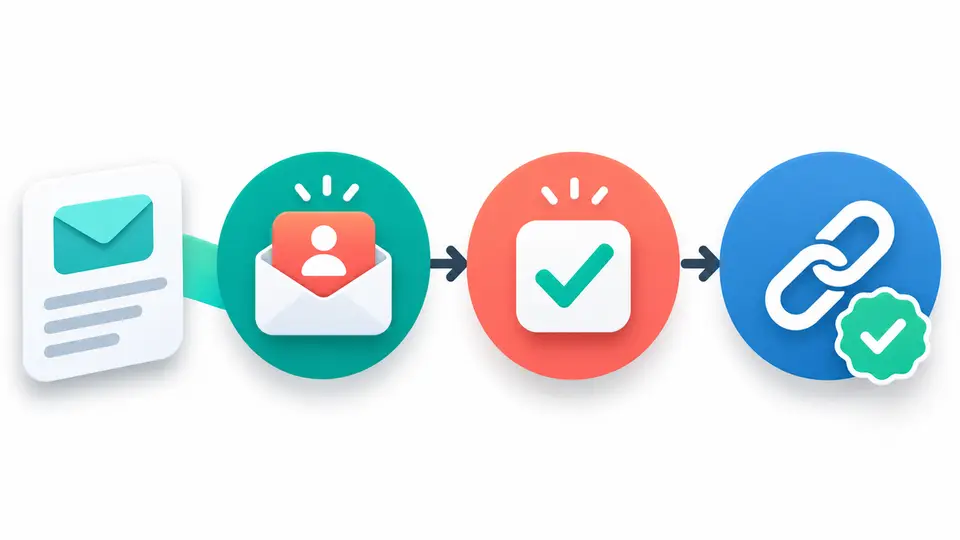
Save the final email, audience segment, consent source, send date, disclosure, and the Special Link or tracking ID used. This gives you a way to investigate a complaint, reconcile performance, and show how the campaign followed your signup promise.
Amazon says it may request representative sample materials and written certification that you followed the email conditions. It also says failing to provide a requested certification is a material breach. Make the record before sending, while the campaign details are easy to retrieve, instead of trying to reconstruct them months later.
Each affiliate program sets its own email rules
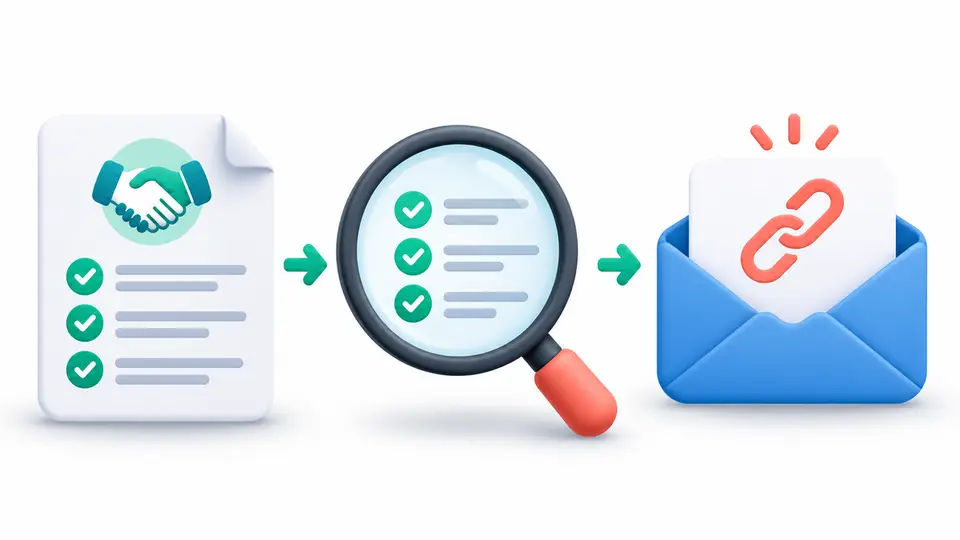
Affiliate channel rules vary by company. Amazon's current US policy permits email when the opt-in and other conditions are met. eBay Partner Network's messaging application page says written approval is required before promoting eBay through email, instant messaging, chat, text, or similar electronic communications.
That difference is why the answer to “Can I put affiliate links in an email?” depends on the individual program. Before scheduling a campaign, search the current operating agreement for terms such as email, messaging, offline promotion, social media, and approval. Save the policy page and the date you checked it. If the wording is unclear, ask the program for written guidance and wait for the answer before using that channel.
A simple pre-send checklist
Before you queue an email with Amazon affiliate links, confirm each item:
- The recipient opted into the type of message you are sending.
- The product recommendation fits the signup promise, topic, and expected frequency.
- The email identifies its promotional purpose where required and discloses commission near the recommendation.
- The Amazon Special Link uses the correct account tag and storefront.
- The link opens the product page you describe and the product claims are accurate.
- Your email service provider and applicable laws allow the send, with an active opt-out process.
- You saved the campaign and consent evidence and checked whether this program requires written email approval.
Use this list alongside the rules for your audience and account. Review it before every campaign with Amazon affiliate links in email, and again when the newsletter changes audience, moves to a new platform, or adds a new affiliate partner.
Connect the newsletter workflow to the right tools
An email tool does not make an affiliate campaign compliant by itself. Choose a platform for the work you actually need: signup forms, consent records, segmentation, suppression, and a clear unsubscribe flow. You can compare the AWeber affiliate program, MailerLite affiliate program, and ActiveCampaign affiliate program as separate program options, then confirm current terms inside each provider's own account.
If you are building the audience from scratch, start with our guide to building an email list for affiliate marketing. For a practical sequence after signup, see the affiliate marketing email sequence for beginners. Keep the sequence helpful first, with product links included where they solve a reader's specific problem.
Browse the FindAffiliates program directory to discover other programs, then confirm each program's current email rules before sending its links.
FAQ
Can you use Amazon affiliate links in an email newsletter?
Amazon's US policy allows Amazon affiliate links in email when the communication was solicited, the recipient opted in, and the rest of the agreement, trademark and brand rules, and applicable laws are followed. Check the current rules for the specific storefront and account.
Does Amazon require written approval before every email?
The policy page does not say that every email needs prior approval. It does say Amazon may request representative samples and written certification of compliance. Other affiliate programs can require prior written approval, so check each program's own terms.
Can I include an Amazon logo or product image in the email?
Do not assume the email-link permission covers Amazon Marks or product content. Amazon's trademark guidance restricts use of its marks in email and other offline materials. Review the current asset rules and use original copy unless the specific asset and channel are allowed.
Is a double opt-in enough to send affiliate offers?
It can document confirmation, but it is not a complete compliance check. The content must still fit the user's request, follow the program's rules, and meet applicable email, privacy, and disclosure requirements.