8 Agency WordPress Site Stack Affiliate Programs 2026
Compare 8 agency WordPress site stack affiliate programs for hosting, design, SEO, speed, security, lead capture, and client delivery in 2026.
On this page (7)
Which Affiliate Programs Are Worth Comparing First?
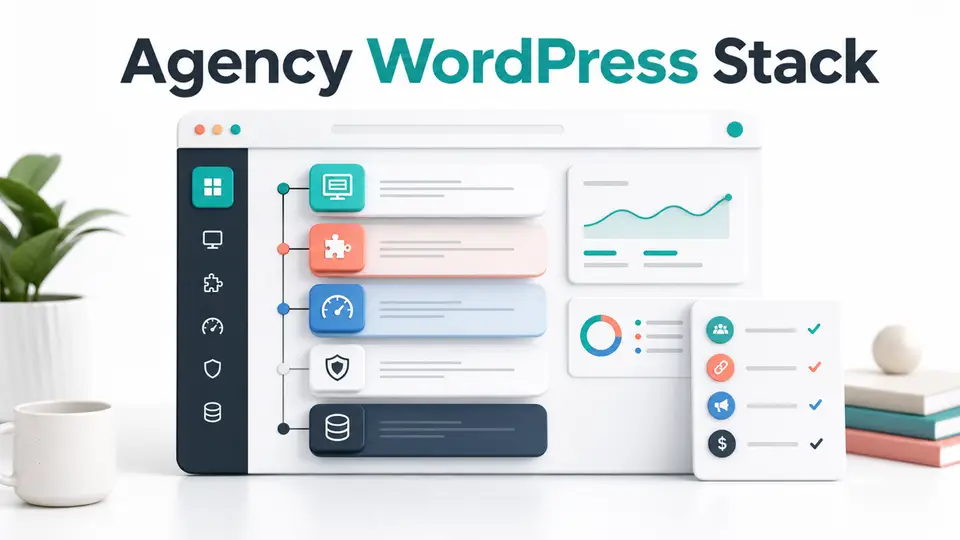
Agency WordPress site stack affiliate programs work best when they match a real client delivery workflow. A useful stack combines hosting, site building, search optimization, performance, security, visibility, and lead capture.
Use Kinsta or WP Engine for managed hosting, Elementor for visual builds, Rank Math for on-site SEO, WP Rocket for performance, MalCare for security, Semrush for broader search work, and Jotform for forms. Each supports a different buyer decision.
This guide compares eight programs with live FindAffiliates pages. Unverified public terms are marked for confirmation rather than estimated.
Quick Comparison
| Program | Stack role | Best agency content angle | Public earning note | Cookie or attribution note |
|---|---|---|---|---|
| Kinsta | Hosting | Migrations and care plans | $50 to $500 plus 10% monthly for eligible WordPress referrals | Verify dashboard |
| WP Engine | Hosting | WooCommerce and agency operations | Verify at application | Verify at application |
| Elementor | Site building | Landing pages and handoff | Verify at application | Verify at application |
| Rank Math | WordPress SEO | Technical setup and schema | Verify at application | Verify at application |
| WP Rocket | Performance | Caching and speed audits | Verify at application | Verify at application |
| MalCare | Security | Cleanup and care plans | Verify at application | Verify at application |
| Semrush | Search visibility | Audits and reporting | Verify product and tier | Verify at application |
| Jotform | Lead capture | Intake and quote workflows | Track dependent | Confirm selected track |
Source-confidence note: Kinsta's official affiliate documentation was updated June 2, 2026 and supports the listed WordPress referral amounts. Jotform's official agency program distinguishes direct client referrals from broad affiliate referrals. Other official pages were live during research, but rates, windows, and rules should be confirmed at application. The approved dashboard is final.
How We Chose the Eight Programs
Every item had to fill an agency job, have a live FindAffiliates page, and support useful content beyond a commission roundup. A migration guide, lead capture workflow, or speed audit has clearer intent than a generic software list.
This complete delivery lens separates agency WordPress site stack affiliate programs from another isolated host or plugin ranking.
The stack includes two hosts because agencies often compare operating models before standardizing. Every other layer gets one primary program.
The WordPress page builder affiliate programs for agencies guide goes deeper on builders. The WordPress plugin affiliate programs for bloggers roundup covers plugins. This article connects infrastructure, delivery, optimization, protection, and lead generation.
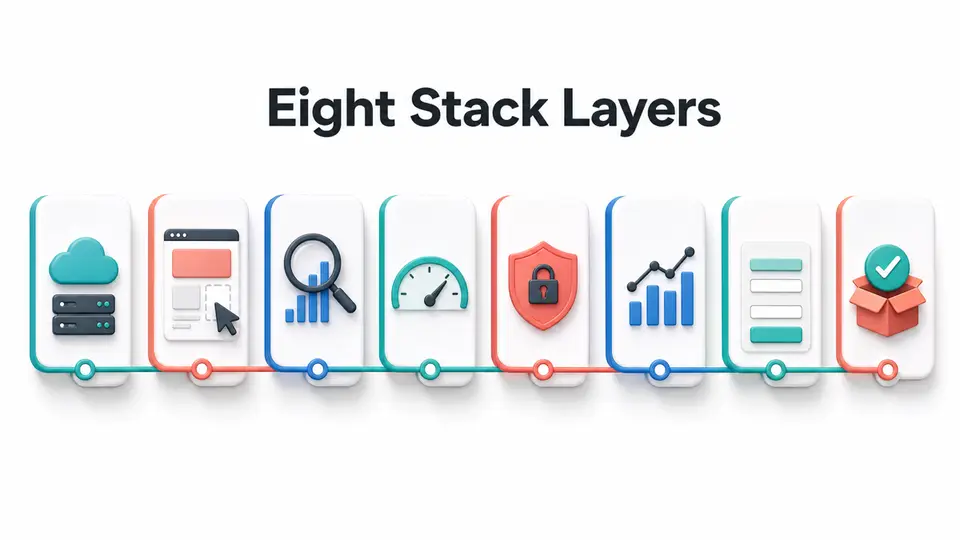
Best Agency WordPress Site Stack Affiliate Programs
Kinsta
Kinsta fits agencies that publish about premium managed WordPress hosting, migrations, staging, reliability, and recurring care plans. Its current official documentation says eligible WordPress referrals can earn a one-time commission from $50 to $500 plus a 10% monthly recurring commission. It also says new Application and Database Hosting referrals no longer earn commission, so content should keep the recommendation tied to eligible WordPress hosting.
The strongest angle is an operational one. Show how an agency evaluates migration support, backups, staging, site management, and client growth before choosing a host. That is more useful than promising that one host is universally fastest. Kinsta can anchor agency hosting comparisons when the reader already values managed service and has a business-critical site.
WP Engine
WP Engine is the second managed hosting lane. It suits agencies writing about professional WordPress operations, WooCommerce, development workflows, staging, maintenance, and client sites that need a supported platform. Public commission and attribution details should be checked during application before they appear in forecasts or comparison graphics.
Use WP Engine when the article starts with agency delivery rather than price alone. Good topics include choosing hosting for a multi-site client portfolio, moving a store to managed WordPress, and comparing a premium platform with a lower-cost host. Pairing WP Engine with Kinsta gives readers a real hosting decision while leaving builder, SEO, and security choices to the other stack layers.
Elementor
Elementor is the visual production layer for landing pages, service sites, templates, and client-editable layouts. It fits agencies that can demonstrate a build, explain design decisions, and show how a client will update content after handoff. Current commission, cookie, threshold, and promotion rules should be confirmed in the application and approved dashboard.
The best affiliate content teaches a repeatable outcome. An agency can publish a local business homepage build, a lead generation landing page, or a template system for a recurring niche. Keep this section focused on production and handoff because a separate page already compares WordPress builders for agencies. Here, Elementor matters because it connects hosting to the page experience and the rest of the delivery stack.
Rank Math
Rank Math covers WordPress-level search configuration. It can support content about metadata, indexing controls, schema, sitemaps, redirects, and an agency's prelaunch SEO checklist. Its public earning and attribution terms should be verified before quoting them, especially if an older article or screenshot supplies the number.
Rank Math works best in implementation content. Show where the plugin sits in a launch process, which settings require client input, and how an agency documents changes. It should not be presented as a replacement for search strategy or broader market research. Its job in this stack is to help execute on-site SEO inside WordPress while Semrush supports research, audits, and visibility work outside the content editor.
WP Rocket
WP Rocket fills the performance layer. It is relevant to agencies that teach caching, page speed, launch QA, image delivery, and Core Web Vitals improvements. Verify the current affiliate commission, tracking window, network, and restricted promotion methods before publishing a payout claim.
Performance content needs careful wording because no plugin guarantees the same result on every site. The useful angle is a measured workflow: record a baseline, change one setting group, test important templates, and watch for visual or functional regressions. That approach can attract readers with a real speed problem while keeping the recommendation honest. WP Rocket belongs after the site is built and before the agency treats optimization as complete.
MalCare
MalCare gives the stack a dedicated WordPress security option. It fits malware cleanup, firewall, backup, maintenance, and care plan content. Public program terms were visible during research, but commission, cookie, payout, and eligibility details should still be confirmed in the approved account before use in revenue estimates.
Agencies should frame security as an operating process, not a fear-based guarantee. Strong content can explain how to respond to a compromised site, what belongs in a maintenance plan, and how security monitoring connects to updates and backups. Avoid claims that any tool makes a site impossible to hack. MalCare earns its place because a complete client stack needs a response path when prevention fails.
Semrush
Semrush covers research and visibility beyond WordPress. It fits agency content about keyword discovery, competitive research, site audits, reporting, local visibility, and emerging AI search monitoring. Its public program uses product-specific commissions and partner tiers, so affiliates should verify the current offer they plan to promote instead of repeating one universal payout.
The best agency angle is a deliverable readers already understand. Examples include an SEO audit workflow, a competitor gap report, and a monthly visibility dashboard. Semrush should not duplicate Rank Math's role. Rank Math helps implement WordPress settings, while Semrush supports planning, analysis, and reporting across sites and channels. That division makes both recommendations clearer.
Jotform
Jotform handles lead capture and client operations. Agencies can use it in quote request forms, onboarding questionnaires, discovery surveys, approvals, and internal workflows. The important distinction is program track. Jotform's affiliate program serves broad audience referrals, while its agency track is built for direct client relationships. The two tracks have different earning durations and referral processes, and applicants cannot assume that one link covers both.
Choose the route before creating content. A public tutorial or software comparison may fit the affiliate track. A direct recommendation to an agency client may fit the agency program. This distinction is more important than a headline percentage because using the wrong path can affect attribution and eligibility. Jotform completes the stack by connecting the finished site to an actual business process.
Roll Out the Stack Without Promoting Everything at Once

| Rollout stage | Primary program options | Content to publish | What to measure |
|---|---|---|---|
| 1. Infrastructure | Kinsta or WP Engine | Hosting decision or migration guide | Qualified clicks, trials, approved referrals |
| 2. Site production | Elementor | Build tutorial or handoff checklist | Tutorial completion, template clicks |
| 3. Search setup | Rank Math and Semrush | Launch SEO checklist plus audit workflow | Audit starts, assisted conversions |
| 4. Performance and protection | WP Rocket and MalCare | Speed audit and care plan guide | Return visits, support questions, referrals |
| 5. Lead operations | Jotform | Intake or quote request workflow | Form template use, paid upgrades, approved leads |
Start with one client problem and one recommendation. Record the program terms and verification date, measure referrals separately from service revenue, then expand when the first content path works.
Separate public affiliate links from client procurement. Private referrals and reseller arrangements can use different contracts. Check rules before placing links in proposals, paid ads, invoices, or bundles.
Key Takeaways for 8 Agency WordPress Site Stack Affiliate Programs 2026
The best agency WordPress site stack affiliate programs cover the whole client journey. Kinsta and WP Engine support hosting decisions, Elementor handles visual production, Rank Math and Semrush split implementation from research, WP Rocket and MalCare cover performance and protection, and Jotform connects the site to lead operations.
Choose one workflow, verify its current program track, and publish evidence that helps an agency buyer make the next decision. Use FindAffiliates to compare more programs as the stack expands.
FAQ
What are the best WordPress affiliate programs for agencies?
Kinsta, WP Engine, Elementor, Rank Math, WP Rocket, MalCare, Semrush, and Jotform cover hosting, production, SEO, speed, security, and lead capture.
Should an agency join affiliate or agency partner programs?
Affiliate programs often fit public content. Agency tracks may fit direct client referrals or registered leads. Check each agreement because rules vary.
Can an agency use affiliate links in client proposals?
Only when the program permits it and the relationship is disclosed. Some companies require a partner, referral, or reseller track for client work.
How often should program terms be checked?
Check before publishing, before major promotions, and after dashboard changes. Record the source and date, and treat the approved agreement as final.