Affiliate vs Referral vs Reseller Program for SaaS
Use this affiliate vs referral vs reseller program guide to separate publisher reach, introductions, channel sales, ownership, incentives, and tracking.
On this page (10)

What Should You Compare Before Choosing?
An affiliate vs referral vs reseller program decision determines who finds the customer, who manages the sale, who invoices, how credit is recorded, and what the partner must support. These are different operating motions, even when one software platform can host all three.
The short answer is simple. Use affiliates for repeatable audience distribution, referrals for trusted introductions, and resellers when an external partner actively sells or packages the product and may own the commercial relationship. Run more than one only after creating clear routing and conflict rules.
This guide narrows the choice to SaaS operating architecture. It builds on the two-model comparison of affiliates and referrals by adding the customer ownership, contracting, support, and revenue controls that make a reseller motion distinct.
Quick Answer and Program Comparison
Use this affiliate vs referral vs reseller program table to choose the motion by work performed, not by the label a vendor or team prefers.
| Decision factor | Affiliate | Referral | Reseller |
|---|---|---|---|
| Typical partner | Publisher, creator, educator, reviewer | Customer, consultant, agency, community member | Agency, service provider, regional seller, channel company |
| Core contribution | Scalable content and audience reach | Qualified one-to-one introduction | Active sales, packaging, procurement, or implementation |
| Buyer relationship | Usually indirect before the click | Partner often knows the prospect | Partner may manage the account and commercial process |
| Common tracking | Links, coupons, campaign attribution | Link, code, lead form, or registered introduction | Deal registration, quote, contract, order, or partner account |
| Typical incentive | Commission on a qualifying action | Cash, credit, discount, or fixed reward | Discount margin, revenue share, services revenue, or negotiated fee |
| Main owner | Growth or partnerships | Growth, lifecycle, or customer success | Channel sales and partner operations |
| Main risk | Low-quality traffic or attribution disputes | Duplicate introductions or self-referrals | Channel conflict, pricing inconsistency, and support ambiguity |
PartnerStack's implementation documentation separates marketing or affiliate partners, referral partners, and resellers by how they create demand and conduct the sale. Product terminology varies, so write your own operating definitions before configuring a platform.
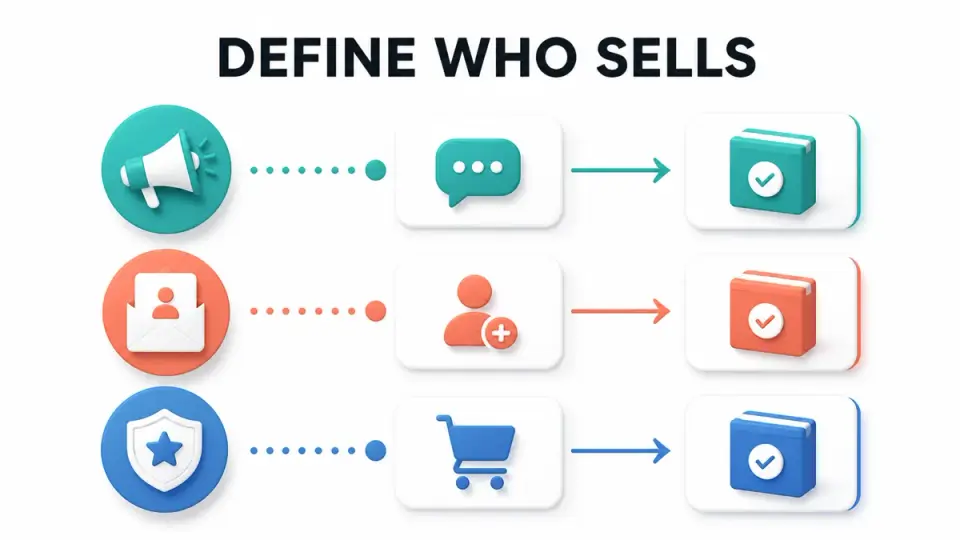
Define the Three Motions by Work Performed
Affiliate motion
An affiliate creates distribution through content, education, community reach, search visibility, video, newsletters, or another approved channel. The relationship with each buyer is often indirect. The affiliate earns when a tracked action meets the program rules.
This model fits a self-serve or low-touch SaaS purchase when useful content can move a reader from problem awareness to trial or subscription. The program needs clear traffic rules, claims guidance, disclosures, attribution, commission status, and payout timing.
Referral motion
A referral partner makes a direct introduction or shares a link with a person or company they know. The partner may be a customer, consultant, association, investor, advisor, or community member. The introduction is usually lower volume and higher context than affiliate traffic.
Referral programs work when trust can shorten discovery but the SaaS company still owns the sales process, contract, billing, onboarding, and ongoing support. Define whether a name alone is enough or whether the referral must include consent, context, and a qualified opportunity.
Reseller motion
A reseller performs a larger portion of the commercial work. The partner may source demand, qualify the account, bundle software with services, negotiate within approved boundaries, invoice the end customer, provide implementation, or handle first-line support.
The exact model can vary. In some arrangements the end customer contracts with the reseller, which purchases software from the vendor at a discount. In others, the vendor contracts directly and pays a margin or fee. The agreement must state who controls pricing, taxes, renewals, customer data, support, and termination.
The existing affiliate versus referral program guide explains the first two motions in more detail. The added reseller layer matters because it changes commercial ownership, not merely the incentive amount.
Decide Who Owns the Customer and the Money
Before selecting software, complete an ownership table for each motion.
| Responsibility | Affiliate | Referral | Reseller |
|---|---|---|---|
| Sets public product price | Vendor | Vendor | Vendor or approved reseller rule |
| Contracts with customer | Vendor | Vendor | Vendor or reseller, as agreed |
| Collects payment | Vendor | Vendor | Vendor or reseller, as agreed |
| Provides onboarding | Vendor | Vendor | Vendor, reseller, or shared |
| Handles first support response | Vendor | Vendor | Often reseller or shared |
| Owns renewal communication | Vendor | Vendor | Must be explicit |
| Holds commission or margin record | Affiliate platform or vendor ledger | Referral ledger or CRM | PRM, CRM, billing, and contract records |
If the reseller invoices the customer, the vendor must define wholesale pricing, taxes, credit risk, refunds, foreign exchange, renewals, and payment failure. If the vendor invoices directly, define the reseller's role and when its margin becomes payable.
Do not call a consultant a reseller merely because the reward is larger. If the consultant makes an introduction and then leaves the sale, the motion remains referral. If the partner owns procurement, packaging, or a supported sales territory, reseller controls may be justified.
Prevent Double Credit Across Motions
One prospect can arrive through an affiliate article, receive a referral introduction, and later appear in a reseller's registered deal. Without routing rules, three teams can claim the same account.
Create a precedence policy before launch. It should define:
- What creates a valid affiliate, referral, or reseller claim.
- The registration window and required evidence for each claim.
- Whether existing accounts and open opportunities are excluded.
- Which claim wins when timestamps overlap.
- When sales can approve an exception and who records it.
- Whether a partner can change motion for future opportunities.
- How disputes are reviewed and how the final reason is communicated.
Avoid automatic first-submission wins. A reseller should not capture an existing opportunity by registering a known account, and an old affiliate cookie should not always override a documented partner-led sale. Use intent, evidence, timing, and approved policy together.
The two-tier affiliate programs guide covers parent and child affiliate rewards. That structure is not the same as a reseller motion. A second-tier override still depends on an affiliate-generated customer action, while a reseller may perform the sales and service work itself.
Match Incentives to the Partner's Work
Affiliates often receive a percentage or fixed commission after an eligible action clears. Referral partners may receive cash, account credit, a discount, or a fixed fee. Resellers commonly need enough margin to fund sales, implementation, account management, and support.
Model contribution after all costs. Include partner reward or discount, onboarding, support, payment fees, refunds, taxes where relevant, sales assistance, and software operations. A reseller margin can be economically sound when the partner performs work the vendor would otherwise fund.
Do not copy one rate across motions. Equal percentages can still represent unequal economics because the calculation base, payment timing, customer ownership, and operating duties differ.
The affiliate commission rate guide helps with direct affiliate economics. Reseller terms need an additional channel model that includes discount structure, services scope, renewal ownership, and customer support.
Choose a Motion by SaaS Stage
Start with referrals when trust is concentrated
An early B2B SaaS company may begin with customers, advisors, consultants, and friendly agencies. A structured referral motion can preserve context while the founder still handles sales.
Add affiliates when education can scale
Affiliate distribution becomes more useful when the product has a stable audience, repeatable onboarding, clear claims, a converting page, and enough margin for performance compensation. The team should be ready to recruit and support publishers, not only install tracking software.
Add resellers when partners can own a repeatable sale
Resellers fit when customers need local procurement, implementation, managed services, vertical expertise, or a combined solution. The vendor needs channel leadership, deal registration, pricing controls, enablement, certification where appropriate, and conflict resolution.
Run multiple motions only with separate lanes
Use different applications, agreements, onboarding, incentives, tracking events, dashboards, and internal owners. A partner may qualify for more than one lane, but each opportunity should enter through a named motion.
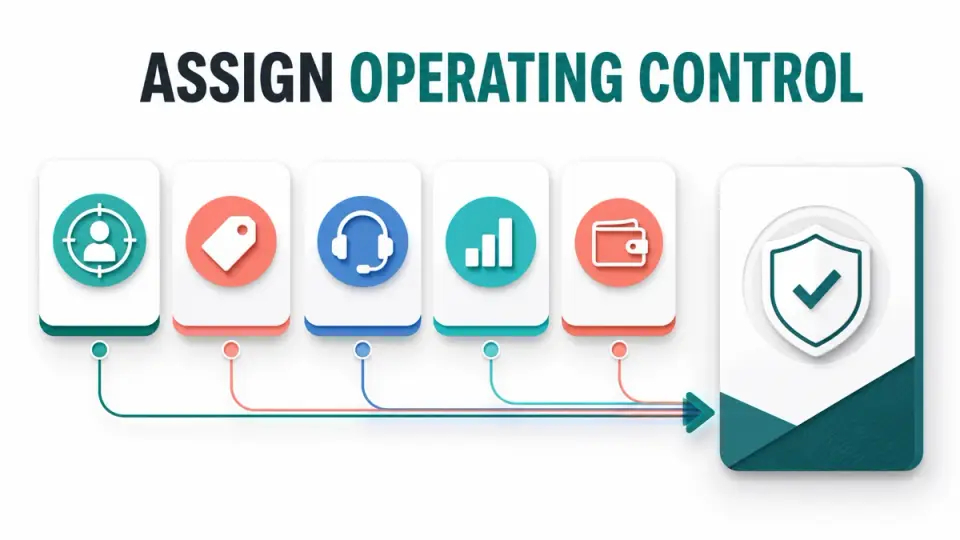
Map the Model to Software and Evidence
The Rewardful affiliate program, FirstPromoter affiliate program, and Tapfiliate affiliate program are useful starting points for affiliate and referral operations. The PartnerStack affiliate program is relevant when a team is also evaluating broader B2B partner motions.
These directory pages describe publisher opportunities, not the merchant configuration a SaaS company will buy. Verify the vendor's current product edition, CRM and billing integrations, deal workflow, contract, data export, support model, and account settings directly.
For every motion, preserve partner ID, customer or lead ID, opportunity ID, source evidence, applicable agreement, incentive rule, approval, adjustment, and payment status. A dashboard label alone is not enough to resolve a channel conflict.
Key Takeaways for Affiliate vs Referral vs Reseller Program for SaaS
The affiliate vs referral vs reseller program choice should follow the work the partner performs. Affiliates distribute content, referral partners make trusted introductions, and resellers take on a defined part of sales or customer delivery.
Name ownership, routing, economics, data, and conflict rules before running several motions together. Browse FindAffiliates to compare partner tools, then validate the hardest opportunity path in the exact software edition and contract under review.
FAQ
What is the main affiliate vs referral vs reseller program difference?
Affiliates usually drive scalable audience traffic, referral partners make contextual introductions, and resellers actively sell or package the product. Resellers often carry greater commercial, implementation, or support responsibility.
Can one partner be an affiliate and a reseller?
Yes, but the company should approve each role separately. Each opportunity needs one named motion, agreement, incentive rule, owner, and evidence path so the same account is not paid twice without authorization.
When should a SaaS company add a reseller program?
Add resellers when partners can repeatedly sell, implement, bundle, or support the product in a way the vendor cannot efficiently provide alone. Do not add the motion until pricing, deal registration, support, customer ownership, and renewals are defined.
Which software is best for all three partner motions?
There is no universal best platform. Choose from documented requirements for links, lead submission, deal registration, CRM and billing events, commissions or margins, portals, exports, and recovery, then test the exact purchased edition.