SaaS Affiliate Program Landing Page Examples Guide 2026
SaaS affiliate program landing page examples with page sections, copy blocks, proof checks, payout wording, partner rules, and application flow.

Who Should Promote This Affiliate Program?
SaaS affiliate program landing page examples are useful when they show exactly what a partner needs before applying. A good page should not only say "join our program." It should explain partner fit, buyer fit, commission model, payout timing, rules, assets, and how to apply.
The quick answer: the best SaaS affiliate landing pages make a qualified partner feel informed in five minutes. They show the offer, prove the product fit, reduce bad-fit applications, and make the next step obvious.
This guide is narrower than a general affiliate program landing page guide. It focuses on examples, sections, copy blocks, and proof checks that SaaS teams can adapt before publishing or improving a public partner page.
Quick Answer, What A Strong SaaS Page Includes
A SaaS affiliate page should answer six questions: who should join, what customers the product helps, how the program pays, when commissions become payable, what tactics are not allowed, and what happens after approval.
| Page section | What it should answer | Example pattern | Mistake to avoid |
|---|---|---|---|
| Partner fit | Who should apply | Consultants, agencies, creators, reviewers | Saying "anyone can join" |
| Product fit | Which buyer job partners can influence | Teams launching forms, tracking referrals, building workflows | Explaining features without use cases |
| Terms summary | How the program rewards partners | Recurring, flat bounty, tiered, trial plus sale | Hiding important limits |
| Proof and trust | Why partners should believe the offer | Public docs, examples, product screenshots, payout wording | Unsupported payout claims |
| Rules | What partners cannot do | No spam, no self-referrals, no misleading claims | Burying rules after signup |
| Application flow | What happens next | Apply, review, approve, get assets, start tracking | Making the CTA vague |

Source confidence note: Live FindAffiliates pages for Rewardful, FirstPromoter, Tapfiliate, PartnerStack, and Tally were reachable. The official Rewardful help center and FirstPromoter help center were also reachable, so this article uses official support resources only where direct pages resolve.
Example 1, Affiliate Software With A Clear Buyer Job
Affiliate software is one of the easiest categories to study because the buyer job is obvious. A partner can explain tracking, referrals, attribution, payouts, and partner operations without forcing a vague marketing promise.
Rewardful, FirstPromoter, Tapfiliate, and PartnerStack all sit near this pattern. A SaaS team can learn from the way these tools separate the product buyer from the partner. The buyer wants tracking and revenue attribution. The partner wants a clear reason to refer relevant companies.
The landing page lesson is simple: describe the exact customer problem partners can influence. Instead of "refer your network," say the program is for SaaS consultants, growth agencies, content educators, or implementation partners who already advise teams on affiliate tracking.
For more context on tracking tools, link the page to a comparison like Tapfiliate vs Rewardful vs PartnerStack or the best affiliate tracking software guide. That helps partners compare category fit before applying.
Example 2, Product-Led SaaS With Simple Use Cases
Product-led SaaS pages need less partner jargon and more examples. Tally is a useful study model because a partner can show forms, surveys, quizzes, client intake, product feedback, and lead capture in practical tutorials.
A landing page for this type of program should give partners sample use cases. A better page says "show how a consultant builds an intake form" or "compare form builders for small teams" instead of only saying "earn commissions."
This approach also reduces low-quality applications. Partners can self-select when they see the types of tutorials, reviews, templates, and workflow content the company wants.
If the page does not publish every commission or cookie detail, it should still publish the application flow and source-confidence language. For example: "Approved partners receive current terms inside the dashboard" is clearer than leaving partners guessing.
Example 3, B2B SaaS With Longer Sales Cycles
B2B SaaS programs need more proof because the purchase is rarely instant. The page should explain whether affiliates can refer self-serve signups, qualified leads, booked demos, paid customers, or enterprise opportunities.
This is where many SaaS pages get too vague. A partner may have a strong audience, but they need to know whether a referral earns credit after a free trial, after a sales call, after payment, or after a refund window.
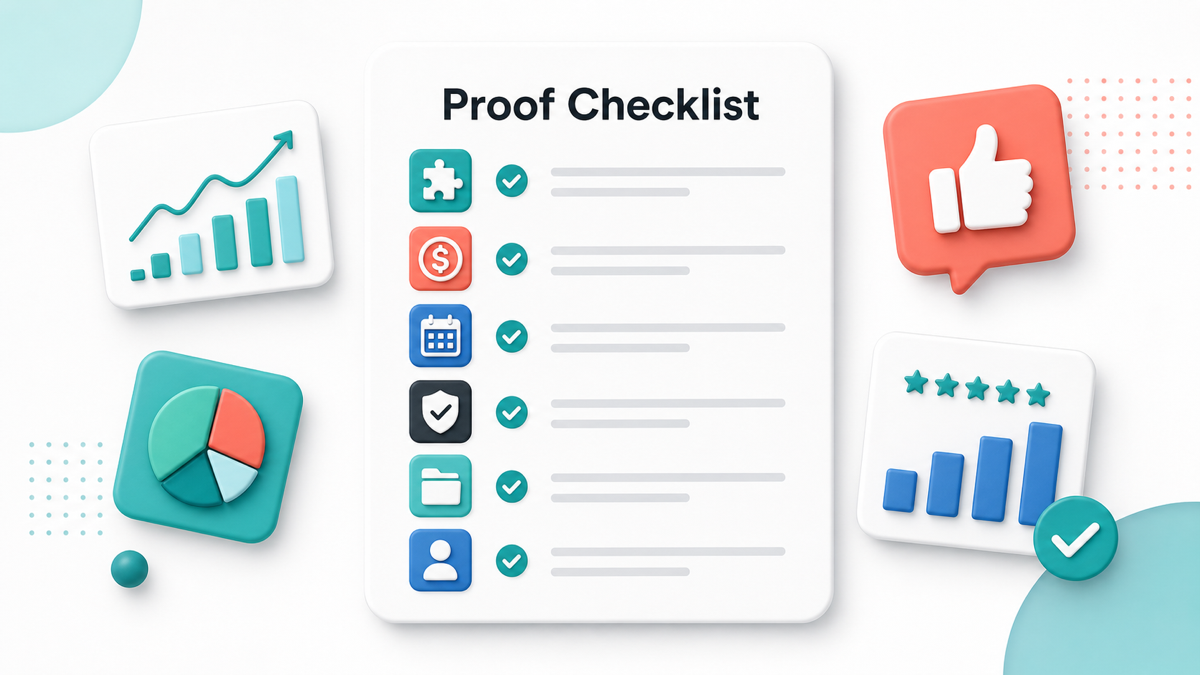
The proof section should include what the company can safely support. That may be a current terms page, payout help article, partner portal screenshot, approved messaging examples, case-study snippets, or clear notes on what is only available after approval.
Use proof carefully. Do not publish a payout number if finance, legal, or the affiliate platform may change it soon. If terms live in the partner dashboard, say that and explain what is visible before application.
Copy Blocks SaaS Teams Can Adapt
Use copy blocks to make the page easier to build. The goal is not to copy another company's page word for word. The goal is to cover the sections partners need.

Hero copy
Use the hero to name the partner and the customer job. Example: "Refer SaaS teams that need cleaner partner tracking" is stronger than "Earn rewards with us." It tells the right partner why the program exists.
Partner fit copy
List who should apply. Good examples include agencies, consultants, educators, newsletter publishers, integration partners, YouTube reviewers, and template creators. If coupon sites, paid search, or mass email are not allowed, say that before the application.
Terms copy
Summarize the commission model in plain language. If you use recurring commission, state the eligible plan or customer type. If you use a flat bounty, state what event creates the reward. If exact terms are private, explain where approved partners can see them.
Asset copy
Tell partners what they receive after approval. Useful assets include referral links, UTM guidance, approved screenshots, demo videos, swipe copy, comparison tables, product positioning notes, and payout setup instructions.
Landing Page Checklist
| Section | Minimum requirement | Stronger example |
|---|---|---|
| Headline | Names the program | Names the ideal partner and customer job |
| Offer | Shows commission model | Explains when a referral becomes eligible |
| Product proof | Describes the product | Shows use cases partners can teach |
| Rules | Mentions restrictions | Lists prohibited tactics before application |
| Assets | Says assets are provided | Names specific assets and onboarding steps |
| CTA | Says apply now | Explains review timing and next step |
This checklist is different from a generic conversion page checklist. SaaS affiliate pages have to protect attribution, compliance, margins, and partner quality. That means clarity is part of conversion.
The older affiliate program landing page guide explains the conversion basics. The newer affiliate program examples for SaaS companies explains broader program model patterns. This article sits between them: it gives the page sections and copy blocks a SaaS team can use.
Mistakes To Avoid
Do not lead with commission only. A high commission can attract attention, but a bad-fit partner can still waste review time, create compliance risk, or send customers who churn quickly.
Do not hide rules until after approval. SaaS teams should state the common restrictions upfront, especially around self-referrals, coupon abuse, brand bidding, spam, misleading claims, and unauthorized review sites.
Do not copy public examples without changing the economics. A startup with a self-serve product, a sales-led B2B product, and an enterprise platform should not use the same payout wording.
Do not promise assets that do not exist. If the page says partners get swipe copy, tutorials, screenshots, or an asset library, build those assets first. The affiliate partner portal checklist can help you define what partners should receive after approval.
Key Takeaways for SaaS Affiliate Program Landing Page Examples Guide 2026
SaaS affiliate program landing page examples are useful when they turn a vague partner pitch into a clear application path. The page should name the ideal partner, explain the buyer job, summarize terms, show proof, list rules, and tell partners exactly what happens after they apply.
Start with the sections in this guide, then adapt the examples to your product economics and sales motion. A form tool, affiliate tracking platform, developer tool, and enterprise SaaS product should each explain partner fit differently.
To compare more SaaS, marketing, productivity, and affiliate software programs, browse the FindAffiliates affiliate program directory.
FAQ
What should a SaaS affiliate program landing page include?
A SaaS affiliate program landing page should include partner fit, customer use case, commission model, cookie or attribution notes, payout timing, approval process, prohibited tactics, partner assets, and application instructions.
What are good SaaS affiliate program landing page examples?
Good examples usually come from SaaS pages that explain both product fit and partner fit. Affiliate software, form tools, creator SaaS, and B2B platforms can all work, but the page should show why a partner's audience would care.
Should a SaaS affiliate page publish commission details?
Yes, publish commission details when the terms are stable and approved for public use. If terms are private or vary by partner, say that approved partners receive current terms in the dashboard instead of publishing a number that may become stale.
How do SaaS teams reduce bad affiliate applications?
SaaS teams reduce bad applications by naming who should apply, listing prohibited tactics, showing ideal content angles, explaining review criteria, and making traffic-source expectations visible before the form.
Is an affiliate program landing page different from a partner portal?
Yes. The landing page persuades and qualifies applicants before they join. The partner portal supports approved partners after they join, with links, assets, reporting, policies, and payout setup.