Partner Reactivation Email Sequence for SaaS Teams
Build a partner reactivation email sequence for SaaS programs, with triggers, message timing, reply triage, compliance checks, and template flow.

What Should You Compare Before Choosing?
A partner reactivation email sequence helps a SaaS team restart useful conversations with dormant affiliates, old partner prospects, and approved partners who never launched a first campaign.
The goal is not to nag. The goal is to give a past partner a real reason to look again, such as a product update, better assets, clearer terms, a new use case, or a campaign angle that finally matches their audience.
This guide gives you a practical reactivation flow, trigger rules, message timing, reply triage, and compliance checks so your partner reactivation email sequence feels useful instead of desperate.
When to reactivate a partner

Reactivate a partner only when something meaningful changed. If nothing changed, the message is just another follow-up. That is why many reactivation campaigns feel weak.
Good triggers include a new integration, improved onboarding, better partner assets, an updated commission page, a new customer segment, a seasonal campaign, or proof that a past objection has been fixed. These triggers give the partner a reason to reconsider the offer.
Bad triggers include "just checking in," a generic monthly reminder, or a request to promote with no new angle. A dormant partner already ignored the old pitch. Repeating it will not create urgency.
Before sending, check whether the partner was ever qualified. If the old prospect never had a relevant audience, do not reactivate them. Use the same standard you would use in an affiliate application review checklist: channel quality, audience fit, content accuracy, and disclosure readiness.
Build the list before writing the emails
A strong partner reactivation email sequence starts with segmentation. Put dormant partners into simple groups so the message can reference the right reason.
Use these segments:
Approved but inactive partners
These partners joined, received access, and never published. They may need a clearer first campaign, better assets, or a smaller ask.
Old outreach prospects
These people showed some interest or matched the audience, but never joined. They need a new reason, not a recycled recruitment pitch.
Past active partners
These partners drove clicks, leads, or sales before going quiet. They deserve a different message because they already proved fit. Ask what changed and offer a practical next campaign.
Partners blocked by missing assets
These partners may have stalled because the program was not ready. If you now have a better partner asset library, refreshed claims, or a cleaner brief, say that directly.
The tool does not matter as much as the record quality. A platform like the Rewardful affiliate program, Tapfiliate affiliate program, or FirstPromoter affiliate program can support partner tracking, but your team still needs accurate notes on why the person went quiet.
The four-email reactivation flow
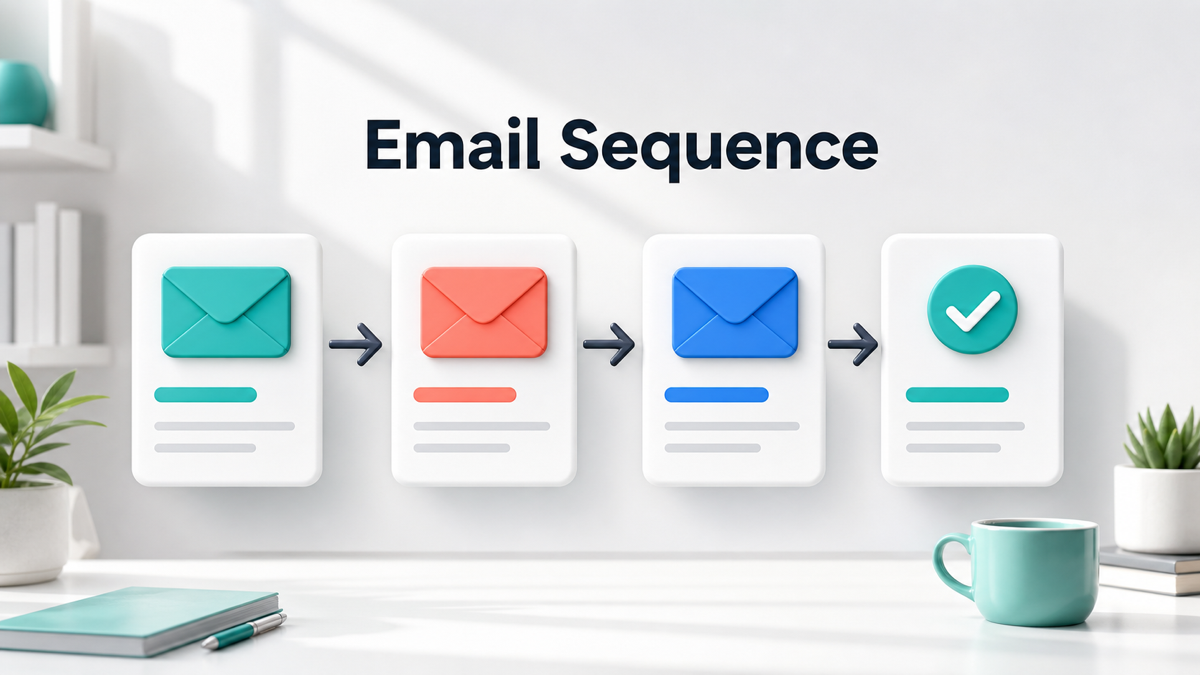
Keep the sequence short. A good reactivation campaign is usually one context reset, one value proof message, one small ask, and one close-loop note. After that, stop unless the partner replies.
Email 1, context reset
Open by reminding the partner why you are writing, but keep it short. Reference the old conversation, approval, or campaign history. Then explain what changed.
Example angle: "We spoke earlier about a partner campaign for your audience. Since then, we added a shorter comparison brief and a clearer first-campaign page. I thought it might be worth a fresh look."
Do not pretend they asked for the update if they did not. A clear context reset is safer and more respectful.
Email 2, value proof
The second message should add proof or usefulness. Send one new content angle, product update, partner asset, customer use case, or reader problem that fits their audience.
For example, a SaaS company could send a new integration use case to an agency partner, a comparison angle to a review publisher, or a seasonal campaign idea to a newsletter creator.
This email should answer "why now?" If the reason is weak, do not send it.
Email 3, small ask
The third message should ask for one small next step. Do not ask for a full launch, review, webinar, and newsletter placement at once.
Good asks include "Should I send the updated partner brief?", "Would this fit your comparison page?", or "Is this worth revisiting next month?" The smaller ask makes it easier for a dormant partner to answer honestly.
Email 4, close loop
The final message should close politely. Tell them you will pause unless the new angle is useful. This protects deliverability, keeps the relationship clean, and gives the partner an easy exit.
Google's email sender guidelines emphasize authentication, low unwanted-mail rates, and clear unsubscribe options for senders. Even if your program is small, those principles should shape how you follow up and reactivate partners.
What each email should include
Every email in the partner reactivation email sequence should have one job. Do not turn a reactivation note into a full partner handbook.
Include:
- A specific reason for the message.
- One audience fit point.
- One new asset, update, or campaign angle.
- One next step.
- A clean way to decline or pause.
Leave out:
- Long legal language.
- Full commission policy details.
- Multiple asks.
- Pressure language.
- Claims the partner cannot verify.
Once the partner replies yes, move them into the correct next workflow. If they need program access, send the application or invite. If they need assets, send the brief. If they need rules, send the policy. The affiliate onboarding sequence is the better place for welcome steps, link setup, approved claims, and first campaign support.
Reply triage after reactivation
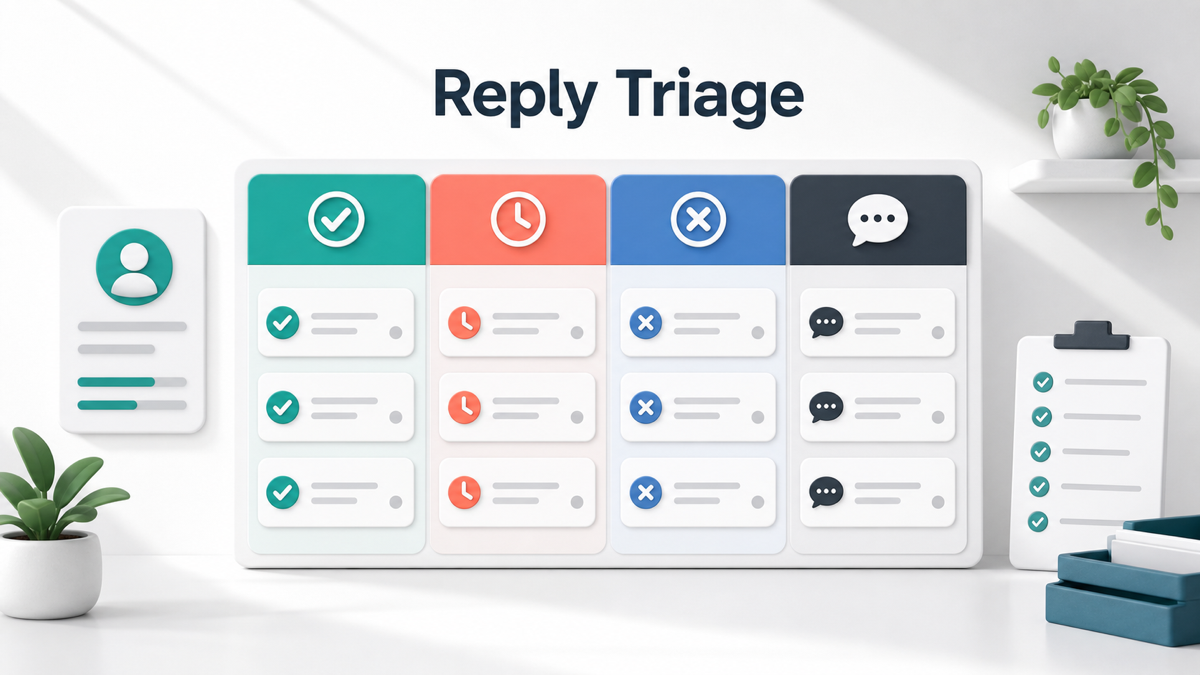
Reply handling matters as much as the email copy. A dormant partner who replies should not sit in an inbox for a week.
For a yes, send the requested next step the same day if possible. Include the partner brief, tracking link process, approved claims, disclosure expectations, and one first campaign idea. If the partner needs a form, the Tally affiliate program can be a useful model for simple intake and qualification workflows.
For a maybe, ask one clarifying question. Do not restart the whole pitch. Example: "Would this fit better as a comparison page, tutorial, or newsletter mention?"
For a no, thank them and tag the reason. Useful reasons include wrong audience, category conflict, timing, low commission confidence, no bandwidth, or policy restrictions.
For no reply, stop after the close-loop note. A quiet partner is not reactivated. Keep the record and use the lesson to improve the next segment.
Compliance and trust checks
A partner reactivation campaign can create risk if the program pushes partners too hard or sends unclear claims.
The FTC's endorsement guidance expects material connections to be disclosed clearly. That matters during reactivation because an inactive partner may need updated disclosure expectations before publishing again.
Your messages should also avoid inflated claims. If a new product update is useful, describe what changed. Do not imply guaranteed earnings, guaranteed conversion rates, or universal audience fit.
Use a simple pre-send check:
- Is there a real trigger?
- Is the partner still qualified?
- Is the ask small?
- Is the unsubscribe or pause path clear?
- Are disclosure expectations included before promotion?
If you cannot answer yes, fix the campaign before sending more email.
How this differs from normal outreach follow-up
A normal partner outreach follow-up sequence starts with a new prospect who may not know your program. A reactivation sequence starts with someone who already heard from you, joined, or considered the offer.
That difference changes the tone. Normal follow-up can introduce the opportunity. Reactivation must explain what changed.
It also changes the timing. Normal outreach might follow up over a short window. Reactivation should wait for a meaningful reason, such as a new asset, product release, better program terms, new campaign season, or updated partner category.
The best programs connect reactivation to partner operations. If someone asks about payment timing, send a clear payout note. If someone asks about payout rules, point to your public policy and keep the answer consistent with your published payout examples.
Mistakes to avoid
Do not reactivate every old name. Poor fit does not improve because time passed.
Do not send a new message without a new reason. "Checking in" is not a reactivation strategy.
Do not ask for a large campaign first. Start with a small reply, asset review, or campaign angle.
Do not hide program changes. If terms, allowed channels, or claims changed, say so before the partner publishes.
Do not treat silence as interest. Silence means stop until there is a better reason to contact them again.
Key Takeaways for Partner Reactivation Email Sequence for SaaS Teams
A partner reactivation email sequence works when it is selective, useful, and tied to a real change. Segment the list, pick a meaningful trigger, send a short four-email flow, handle replies quickly, and stop when there is no response.
The best reactivation message is not louder than the original pitch. It is more relevant. To compare affiliate tools and partner program examples before rebuilding your workflow, browse the FindAffiliates directory.
FAQ
What is a partner reactivation email sequence?
A partner reactivation email sequence is a short set of messages sent to dormant affiliates, old prospects, or inactive partners when there is a real reason to restart the conversation.
How many emails should a reactivation sequence include?
Most SaaS teams should use four messages: context reset, value proof, small ask, and close loop. Stop after that unless the partner replies.
When should SaaS teams reactivate dormant affiliates?
Reactivate dormant affiliates when something meaningful changed, such as a new integration, better partner assets, clearer terms, a new campaign angle, or a solved objection.
What should a partner reactivation email say?
It should explain why you are writing, what changed, why the new angle fits the partner's audience, and what small next step is available.
How is reactivation different from affiliate outreach follow-up?
Outreach follow-up introduces or develops a new opportunity. Reactivation restarts a past conversation, so it needs a fresh reason and a more specific message.