Lemon Squeezy Affiliates Review for SaaS Owners 2026
Lemon Squeezy Affiliates review for SaaS owners covering built-in tracking, fees, approvals, payouts, limits, and when external software fits better.
On this page (13)

What Should You Compare Before Choosing?
This Lemon Squeezy Affiliates review finds a practical built-in system for SaaS and digital product stores already using Lemon Squeezy. Owners can manage applications, sales commissions, referrals, creatives, and affiliate payouts without adding another platform.
The tradeoff is control. Lemon Squeezy uses a fixed application path, charges merchant and affiliate fees on referred orders, and documents a twice-monthly payout cycle with a 30-day commission hold. Teams that need non-sale rewards, custom onboarding, broader billing integrations, more complex partner structures, or a different payout process should compare external alternatives before committing.
Quick Verdict
Choose Lemon Squeezy's built-in affiliate features when your products, checkout, and program operations already fit its ecosystem. Affiliates get one hub for links, referrals, creatives, and payouts.
Consider an external platform when the affiliate channel must span several billing systems, reward leads or other events, support manual affiliate creation, or follow finance rules that do not match Lemon Squeezy's documented payout schedule.
| Decision area | Lemon Squeezy built-in fit | Reason to compare an external tool |
|---|---|---|
| Checkout | Sales already run through Lemon Squeezy | Revenue also runs through other billing systems |
| Tracking | Hosted storefront or a site using the official script | Custom attribution needs extend beyond the documented flow |
| Applications | Public or private signup link with approval controls | Team needs manual affiliate creation or custom onboarding |
| Commissions | Percentage or flat-rate commission on sales | Program rewards leads, tiers, or more complex partner events |
| Payouts | Fixed twice-monthly operational rhythm is acceptable | Finance needs a different schedule, rail, or approval process |
| Cost | Team accepts referral fees in exchange for native operations | A subscription or other fee model is more economical at scale |
When the Built-In Program Is the Best Fit
Lemon Squeezy says its Affiliates feature is already active for stores, although owners do not have to use it. The official getting started guide places the core controls in Affiliate Settings: referral URL, signup URL, default commission, tracking length, eligible products, and product-specific rates.
That suits a small team launching one sales-based program. The hosted storefront can create referrals without a separate tracking script. Owners using their own marketing site or app can change the referral domain and install the official script.
The Lemon Squeezy affiliate program page provides a useful directory view of the company. This review focuses on the software program owners receive inside their own Lemon Squeezy store.
How Tracking and Attribution Work
The official getting referrals guide says each affiliate receives a unique URL containing an affiliate code. A visit creates an anonymous identifier, and a qualifying purchase made before that identifier expires creates a referral.
Owners can customize the tracking length and choose whether the first or last affiliate receives credit when a buyer visits links from multiple affiliates. Lemon Squeezy-hosted pages handle the native referral flow. A custom marketing site, blog, or app needs the 3.5 kB tracking script documented by Lemon Squeezy. The guide also provides an advanced path for custom checkout URLs and a debug mode for verifying browser activity.
Test the real path from affiliate link to landing page, checkout, referral record, refund, and payout status across every promoted domain.
Applications and Approval Controls
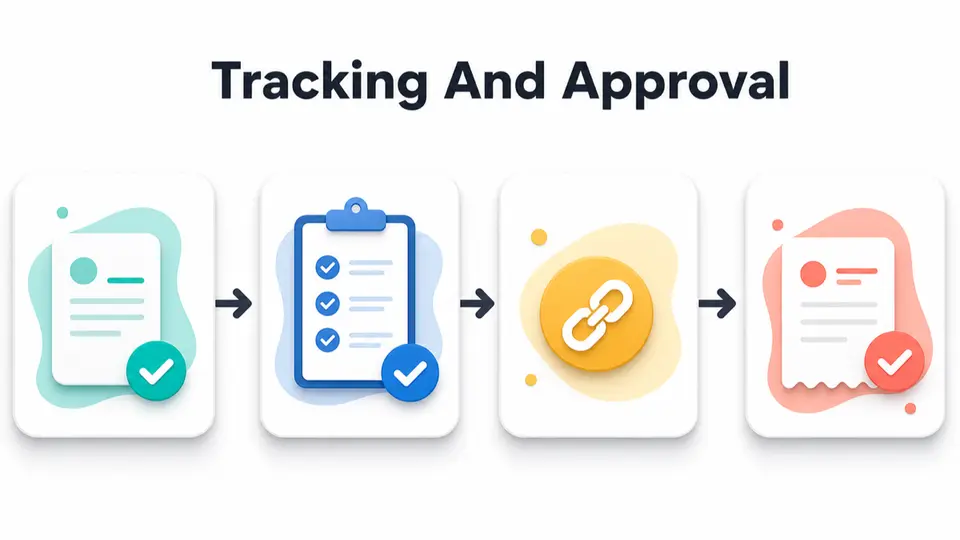
Lemon Squeezy uses an application-only model. According to the official adding affiliates guide, owners cannot manually add an affiliate. Candidates first pass Lemon Squeezy's platform review, then apply to individual programs through the Affiliate Hub or the store's signup URL.
Owners can turn auto-approval on or off. Manual applications appear as pending with the applicant's profile and introduction. Rejected applicants cannot apply again unless Lemon Squeezy support reverses the decision.
This reduces basic vetting work but is less flexible than an invitation flow. Migrating teams should confirm onboarding before promising a seamless move.
Commissions, Product Rules, and Fees
Lemon Squeezy's merchant documentation describes percentage and flat-rate commissions for referred sales. Owners can define a default commission, limit the program to selected products, assign product-specific rates, and edit rates for individual affiliates.
The public documentation reviewed does not describe lead rewards, multi-level commissions, partner groups, or a detailed tier engine. Confirm current dashboard capabilities if those are requirements.
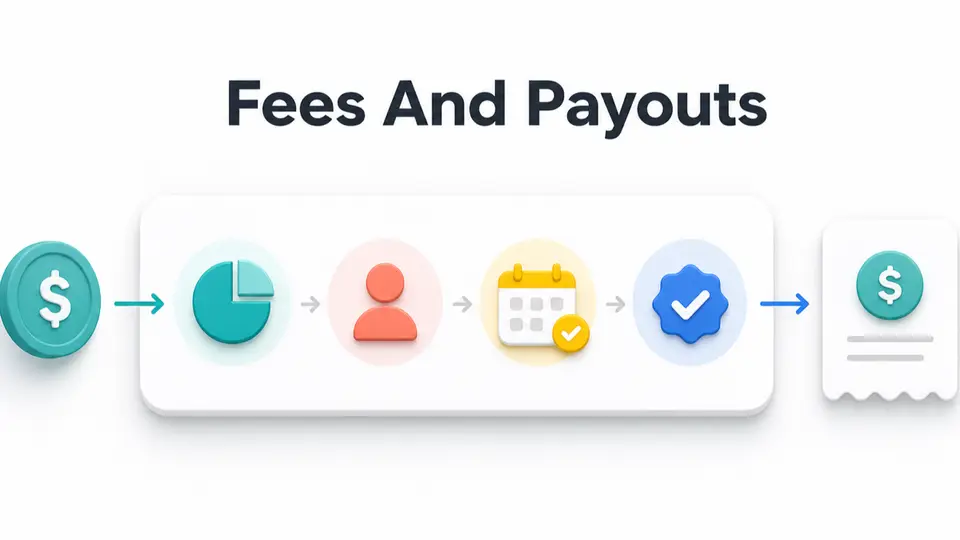
Cost needs a full calculation. The official affiliate fees guide says merchants pay an additional 3% fee on each affiliate-referred order, on top of the normal Lemon Squeezy platform fee and the affiliate commission. Lemon Squeezy's general fees page also lists a 2% fee for affiliate payouts, deducted from the affiliate side, plus possible payout-provider and currency-conversion fees.
Model normal commerce fees, the 3% merchant affiliate fee, commissions, and referred volume. Compare that total with the subscription, processing, and operating costs of alternatives.
Payout Operations and Referral Review
Lemon Squeezy handles affiliate payouts on a published schedule. The official merchant payout guide says payouts are created on the 1st and 15th from approved referrals. Commissions are held for 30 days, then scheduled for payment on the 14th and 28th. The default minimum is $10, and program owners can set a higher threshold.
Affiliates can receive payouts by bank account or PayPal where supported. They manage payout details in the Affiliate Hub instead of sending them separately to every program owner.
Owners still control referral quality. The managing affiliates and referrals guide says referrals can be approved, reviewed, or rejected, while refunded orders become void. The dashboard keeps click, referral, payout, and affiliate activity histories.
The program policy should explain the hold, review reasons, refunds, minimum payout, and payment dates before recruitment.
Partner Experience and Creative Assets
Affiliates use one Lemon Squeezy Affiliate Hub to manage multiple programs. They can access unique URLs, clicks, referrals, payouts, and approved creative assets from the same account.
Owners can upload text or image creatives, attach URLs, add descriptions, and control draft or active status. The official creatives guide lists unlimited creatives. Start with accurate copy, current images, one launch angle, and clear brand rules.
Limitations to Check Before Launch
The most important limitations are operational, not cosmetic:
- Affiliates must apply, and owners cannot manually add them.
- Rejected applicants need a support-assisted reversal before they can join later.
- The documented commission model centers on referred sales.
- The payout calendar and 30-day hold are defined by the platform.
- Merchants pay an added 3% on affiliate-referred orders.
- Custom sites need the official script and complete path testing.
- Public documentation uses inconsistent tracking language.
The merchant getting started page describes tracking length as the time a cookie is stored. The affiliate-facing guide says tracking requires no cookies and uses an anonymous identifier. Owners with privacy requirements should ask Lemon Squeezy which implementation applies to their setup.
When to Use an External Alternative
When operations extend beyond the native sales flow, compare the Refgrow affiliate program, Rewardful affiliate program, FirstPromoter affiliate program, and Rekomi affiliate program pages. Verify each product against current official documentation.
Use a requirements-first comparison:
- Can the tool follow every billing provider and checkout route?
- Does it support the reward events and commission rules the program needs?
- Can the team invite, import, segment, and manage partners as required?
- Who approves commissions, runs payouts, handles tax records, and resolves failures?
- What is the total monthly cost at expected sales and payout volume?
The best affiliate tracking software for SaaS guide gives the broader market view. The Rewardful setup guide, FirstPromoter review, and Rekomi platform review help teams inspect specific operating models.
Source Confidence
Source confidence is high for setup, tracking controls, applications, commission types, fees, referral review, payouts, and creatives because these claims come from current Lemon Squeezy documentation.
Confidence is lower where the public pages are silent or inconsistent. This review does not assume undocumented tiering, lead rewards, migration tools, tax workflows, or tracking technology. Verify those requirements in the current dashboard or with Lemon Squeezy support before launch.
Key Takeaways for Lemon Squeezy Affiliates Review for SaaS Owners 2026
This Lemon Squeezy Affiliates review supports the built-in system for owners already selling through Lemon Squeezy. Its strongest advantage is operational consolidation.
The fixed application path, sales-centered public feature set, 3% merchant affiliate fee, affiliate-side fees, and platform payout rhythm are the main tradeoffs. Model the full cost and test the whole referral path before recruiting. Browse FindAffiliates when you need to compare external options.
FAQ
Is Lemon Squeezy Affiliates included for store owners?
Lemon Squeezy says the Affiliates feature is already active for stores, although owners can choose not to use it. Referred orders add a 3% merchant affiliate fee on top of normal platform fees and the commission paid to the affiliate.
Can owners manually add affiliates in Lemon Squeezy?
No. Current documentation says affiliates must first pass Lemon Squeezy's platform review and then apply to the individual program. Owners can manually approve applications or enable auto-approval.
How does Lemon Squeezy track affiliate sales?
Hosted store links contain a unique affiliate code. Custom sites and apps can use Lemon Squeezy's tracking script. Owners can set the tracking length and choose first-affiliate or last-affiliate attribution.
When does Lemon Squeezy pay affiliates?
Approved commissions are held for 30 days. Payouts are created on the 1st and 15th and scheduled for payment on the 14th and 28th. The default minimum payout is $10, and owners can set a higher threshold.
When should a SaaS team use external affiliate software?
Compare external software when the program spans several billing systems, needs non-sale rewards or more complex commission logic, requires manual partner creation, or must follow a custom finance and payout workflow.