Circle vs Thinkific Affiliate Programs Compared 2026
Compare Circle vs Thinkific affiliate programs by commission, cookie, course and community fit, content angles, payout terms, and source confidence.

Which Affiliate Programs Are Worth Comparing First?
The Circle vs Thinkific affiliate program decision is not just a payout comparison. Both publish recurring commissions and 90-day cookies, but they solve different buyer jobs. Circle is community-first, while Thinkific is learning-first.
Choose Circle for memberships, live cohorts, events, discussion, and community retention. Choose Thinkific for structured courses, assessments, certificates, commerce, and learning administration. This guide compares public terms as of August 4, 2026.
Quick Answer
Circle pays a $100 one-time commission plus 10% to 20% recurring on standard plans, with lower recurring percentages for Circle Plus, based on a rolling referral tier. Thinkific pays 30% lifetime recurring on standard paid plans and $150 per month for referred Plus plans. Both publish a 90-day cookie and use PartnerStack.
Thinkific has the simpler percentage offer for course-platform content. Circle can produce a strong blended payout for community-led buyers, but the recurring rate depends on the affiliate's current tier and the customer's plan.
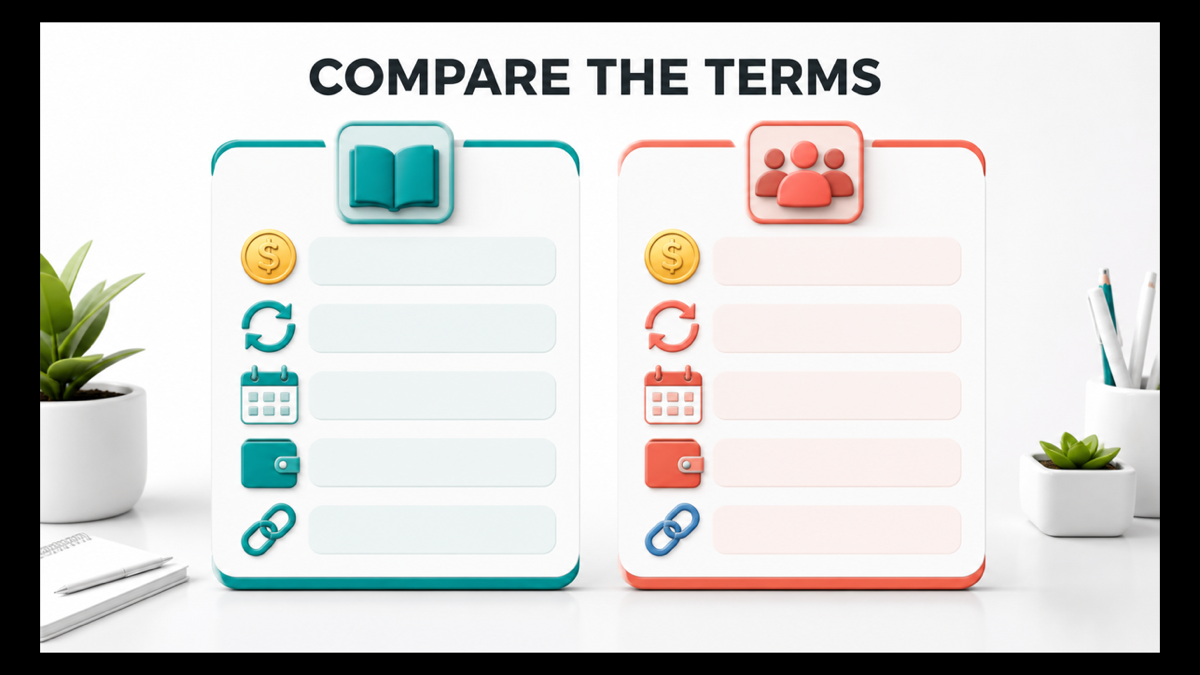
| Field | Circle | Thinkific |
|---|---|---|
| Best buyer fit | Community, membership, live cohort | Structured course, academy, training |
| One-time commission | $100 per referred paying customer | Not stated |
| Standard recurring commission | 10%, 15%, or 20% | 30% lifetime |
| Enterprise or Plus treatment | 5%, 7.5%, or 10% recurring for Circle Plus | $150 per month for Plus |
| Cookie | 90 days | 90 days |
| Platform | PartnerStack | PartnerStack |
| Public payout threshold | $5 | $25 |
How the Circle Affiliate Program Works
The Circle affiliate program introduced its current tiered structure on June 24, 2026. The official affiliate page publishes a $100 one-time commission for each referred customer plus recurring commission for as long as the customer remains active.
The Start tier applies to zero through nine paying referrals in the prior 12 months and pays 10% recurring on standard plans or 5% on Circle Plus. Grow covers 10 through 49 referrals and pays 15% or 7.5%. Lead starts at 50 referrals and pays 20% or 10%. The tier is evaluated on a rolling basis and can move up or down.
Circle publishes a 90-day cookie. Once a referred trial becomes a paying customer, the affiliate receives credit even if conversion takes longer than the initial cookie window, according to the current FAQ. Circle says approval usually takes two to three business days and withdrawals are available through PartnerStack after at least $5 is available.
The offer is strongest when content explains community-led products. The recent guide to affiliate programs for coaches includes Circle for cohort retention and one-to-many support, but a dedicated comparison can go deeper on the buyer's operating model.
How the Thinkific Affiliate Program Works
The Thinkific affiliate program publishes 30% lifetime recurring commission on standard monthly and annual paid plans. For Thinkific Plus, the current official affiliate page states a fixed $150 recurring monthly commission instead of 30%.
Thinkific also publishes a 90-day cookie and runs the program through PartnerStack. Commissions have a 30-day delay for reconciliation, are verified at month end, and are paid on the 13th through the selected provider. Affiliates need at least $25 to cash out through PayPal or Stripe.
The offer fits content about structured learning businesses, course creation, assessments, certificates, checkout, and training operations. The recurring percentage is easier to explain than Circle's rolling tiers, but the buyer still has to choose and keep paying for a qualifying plan.
Affiliates should verify the final campaign terms after approval. A public marketing page is useful evidence, but the PartnerStack agreement controls attribution, reversals, paid promotion, and other operating rules.
Commission Comparison
Thinkific leads on the standard recurring percentage. A 30% lifetime rate is higher than Circle's 10% to 20% standard range. Circle offsets that gap with a $100 one-time commission and a lower $5 withdrawal threshold.
Circle's tiering also creates variability. An affiliate may earn 10% recurring when starting, rise to 15% after 10 paying referrals, and later move down if the rolling 12-month count declines. The Circle affiliate terms state that the current tier applies to active referred customers covered by the new structure.
Revenue also depends on qualified traffic, conversion, buyer plan, retention, refunds, reversals, and buyer fit.
Simple Scenario Framework
For Circle, model the $100 initial commission separately from recurring revenue, then use the rate for the affiliate's current tier and the customer's plan. For Thinkific, model 30% of standard plan revenue or $150 monthly for Plus, subject to the campaign's rules.
These are comparison methods, not income promises. The affiliate dashboard and signed terms should be used for any forecast.
Course and Community Buyer Fit
Circle and Thinkific each publish a product comparison page, but those pages are vendor marketing, not neutral research. Read both the Circle comparison and the Thinkific comparison, then verify the features that matter on current plan pages and product documentation.
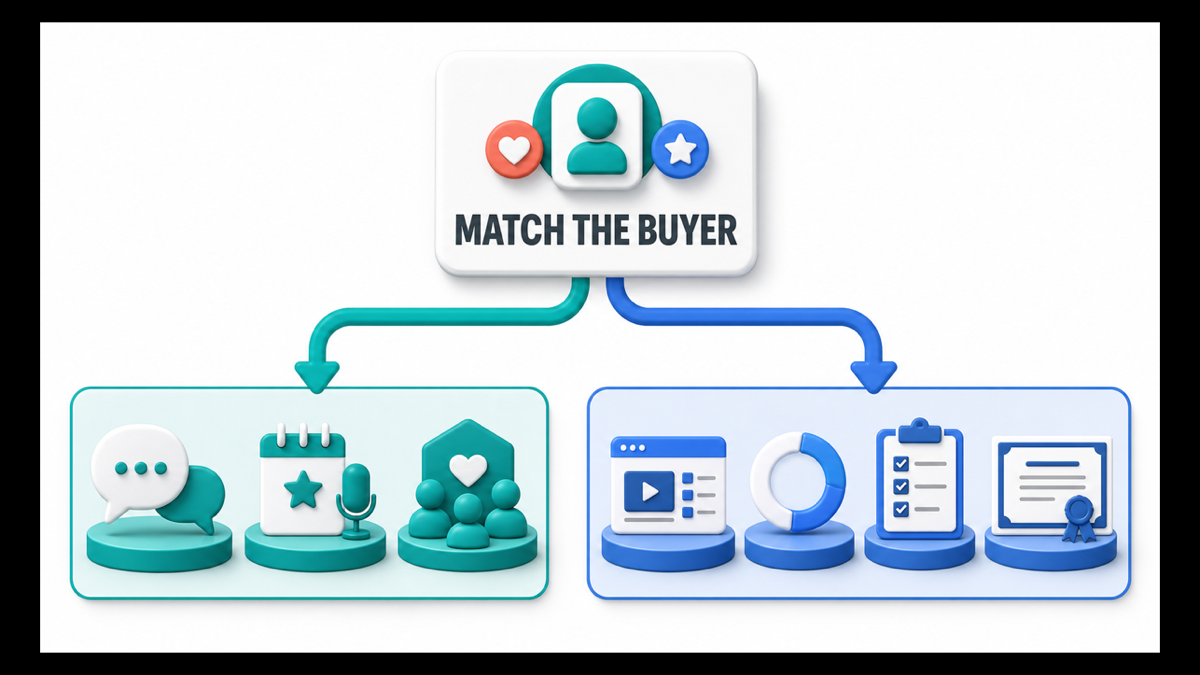
Circle positions community as the main product. Its strengths include structured discussion spaces, live events, chat, gamification, member access groups, mobile community participation, and courses inside the same environment. It is a strong fit when recurring membership engagement matters more than formal learning records.
Thinkific positions structured learning and commerce as the center. Its strengths include course organization, assessments, certificates, progress tracking, checkout tools, and higher-tier B2B administration. It is a stronger fit when the buyer sells a curriculum, academy, certification path, or training program.
The distinction also affects adjacent offers. The Teachable affiliate program, LearnWorlds affiliate program, and Kajabi affiliate program give course-platform readers other options. The membership platform affiliate programs guide gives community-led readers a broader category view.
Best Content Angles for Circle
Circle works best in content where the reader's problem continues after a course is purchased. Strong angles include running paid communities, improving cohort engagement, combining live events with discussion, creating membership tiers, migrating from scattered community tools, and retaining members between launches.
Show the daily operating model. A useful Circle tutorial can explain how spaces, events, member groups, courses, and community access work together. That gives the reader a reason to evaluate the platform beyond a commission table.
Avoid calling Circle the best course platform for every creator. Its strongest buyer has a community-led value proposition and may not need formal assessments, certificates, or enterprise learning controls.
Best Content Angles for Thinkific
Thinkific fits searchers building or scaling a structured learning product. Strong angles include creating a first course, organizing a curriculum, selling certificates, building an academy, improving course checkout, training teams, and measuring learner progress.
The existing Teachable vs Thinkific affiliate guide is useful for course-platform buyers. A Circle comparison should instead focus on community-led retention versus structured learning operations, not repeat another generic course-builder feature list.
Avoid presenting Thinkific as only a video-course host. Its current product messaging includes communities, commerce, mobile learning, and business administration. The decision still comes down to whether learning structure or social engagement is the buyer's center of gravity.
Tracking, Payouts, and Source Confidence
Both programs publish 90-day cookies, but cookie duration does not guarantee commission. Attribution can still depend on the last eligible click, campaign rules, coupon use, paid advertising restrictions, refunds, and whether a trial becomes a qualified paying customer.
Circle publishes more withdrawal detail on its public page: a $5 available balance and payment options that vary by location, including PayPal, Stripe, or direct deposit. Thinkific publishes a $25 cash-out threshold, PayPal or Stripe, a 30-day hold, end-of-month verification, and payment on the 13th.
Source confidence is high for the headline commissions and cookies because both brands publish them directly. Confidence is lower for channel-specific restrictions and edge cases until the affiliate sees the current PartnerStack campaign agreement.
Circle vs Thinkific Affiliate Program Decision
The Circle vs Thinkific affiliate program comparison becomes practical when it is tied to one buyer job.
| Decision | Better fit | Why |
|---|---|---|
| Highest public standard recurring percentage | Thinkific | 30% lifetime on standard paid plans |
| Upfront plus recurring payout | Circle | $100 plus tiered recurring commission |
| Community and membership content | Circle | Community is the primary buyer job |
| Structured course and academy content | Thinkific | Learning structure is the primary buyer job |
| Lower public withdrawal threshold | Circle | $5 compared with Thinkific's $25 |
| Simpler standard commission explanation | Thinkific | One 30% standard rate instead of rolling tiers |
| Cohort and retention tutorials | Circle | Events, discussion, and community workflows |
| Assessment and certification tutorials | Thinkific | Stronger structured learning fit |
Use the process in how to compare affiliate programs before applying. Score buyer fit, source confidence, attribution rules, payout timing, content depth, and the likelihood that a referred customer will remain on the product.
Key Takeaways for Circle vs Thinkific Affiliate Programs Compared 2026
The Circle vs Thinkific affiliate program choice is clear when the buyer job is clear. Circle fits community-first memberships, cohorts, and engagement. Thinkific fits structured courses, academies, certifications, and learning commerce.
Thinkific publishes the higher standard recurring percentage. Circle combines a $100 initial commission with recurring revenue and a lower withdrawal threshold. Apply to the program that matches your audience, verify the PartnerStack terms, and build content around the product decision rather than the payout alone. Use FindAffiliates to research other course and community offers.
FAQ
Which pays more, Circle or Thinkific?
Thinkific publishes 30% lifetime recurring commission on standard paid plans. Circle publishes $100 per referred paying customer plus 10% to 20% recurring on standard plans. The higher result depends on Circle tier, plan price, retention, and the time horizon used.
Do Circle and Thinkific have the same cookie duration?
Yes. Both official affiliate pages currently publish a 90-day cookie. The controlling campaign terms can still include attribution and eligibility rules beyond the cookie window.
Is Circle better for coaching affiliates?
Circle is often the stronger content fit when a coach sells community access, live cohorts, events, and ongoing member interaction. Thinkific can be stronger when the coach sells a structured curriculum, assessments, certificates, or a scalable academy.
Can I promote both Circle and Thinkific?
You can apply to both if their agreements permit it. A useful comparison should give each platform a clear buyer profile and avoid steering every reader to the program with the larger commission.
Are the published rates guaranteed after approval?
No. Public pages can change, and PartnerStack campaign terms may add channel rules, reversals, or other conditions. Verify the current agreement and dashboard before publishing a forecast or updating a comparison table.