Affiliate Program Application Page Examples for SaaS
Affiliate program application page examples for SaaS teams, with form questions, screening flow, review signals, and approval-ready copy ideas.
Who Should Promote This Affiliate Program?
Affiliate program application page examples are useful because most SaaS teams do not need more signups. They need better applicants. A good application page filters out poor-fit traffic, explains who should apply, and gives the affiliate manager enough context to approve or reject without a long email thread.
The best page is simple: promise the partner opportunity, name the ideal affiliate types, ask for proof of audience fit, explain review timing, and set expectations for payout and compliance. If the page only says "join our program," you will get vague applications.
Use the examples below as building blocks for your own SaaS partner application page. They are public-facing patterns, not private review notes.
The page should also protect the applicant experience. Clear application copy tells good partners what to prepare, tells weak-fit partners why they may not qualify yet, and gives your team a consistent place to point applicants who ask how the program works.
Quick Answer
The best affiliate program application page examples include a clear partner-fit headline, a short value proposition, a form with audience and traffic-source questions, a review timeline, and a compliance note. The page should help strong affiliates self-identify and help weak applicants understand why they may not qualify.
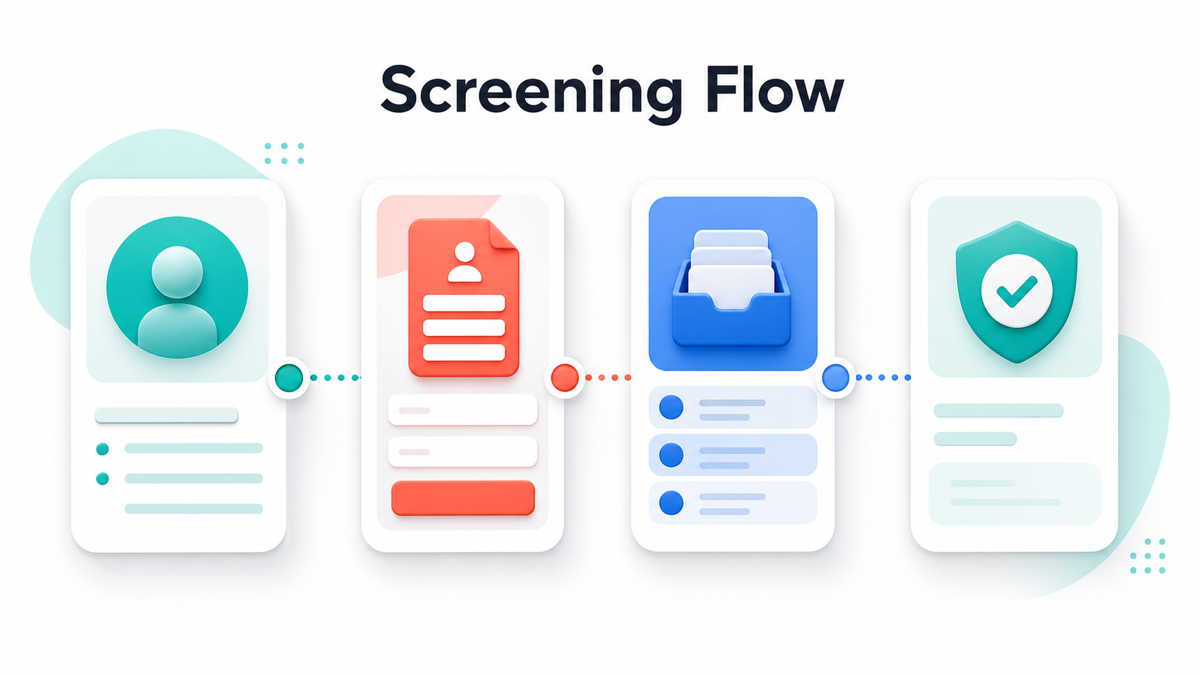
| Page block | What it should answer | Why it matters |
|---|---|---|
| Partner fit | Who should apply? | Filters creators, agencies, and publishers before the form |
| Proof request | What audience or channel do they have? | Helps review quality without guesswork |
| Promotion plan | How will they send traffic? | Reduces coupon, spam, and low-intent signups |
| Review timing | When will applicants hear back? | Prevents support follow-ups |
| Compliance note | What behavior is not allowed? | Sets rules before approval |
If you already have a public page, compare it with your SaaS affiliate program landing page examples. The landing page sells the program. The application page screens the applicant.
Example 1: SaaS Partner Fit Page
This version works for a SaaS company that wants creators, consultants, and software educators. The headline should name the partner type, not only the program. For example: "Apply to partner with our SaaS product" is clearer than "Affiliate application."
The copy should answer three questions in the first screen: what the product does, who the program is for, and how the company reviews applications. A short paragraph can say that the program is for publishers, educators, agencies, and consultants who can introduce qualified buyers.
For tooling references, Rewardful, FirstPromoter, and Tapfiliate are relevant because SaaS teams often use affiliate software to host portals, track partners, and manage approvals. FirstPromoter's official features page also resolved during research.
Sample public copy:
| Section | Example copy |
|---|---|
| Headline | Apply to become a software partner |
| Fit note | Best for creators, consultants, and agencies with a relevant B2B audience |
| Review note | We review each application for audience fit, traffic quality, and brand safety |
| Timeline note | Approved partners receive portal access after review |
Example 2: Creator and Publisher Application
This version is for content creators, bloggers, newsletter operators, YouTubers, and review-site publishers. The page should ask for the applicant's main channel, content topic, audience size range, and a few example links.
Do not make the form too long. A good creator application can usually be reviewed with five signals: audience topic, channel quality, traffic source, promotion plan, and disclosure habit. If you need more information, ask after approval instead of creating friction up front.
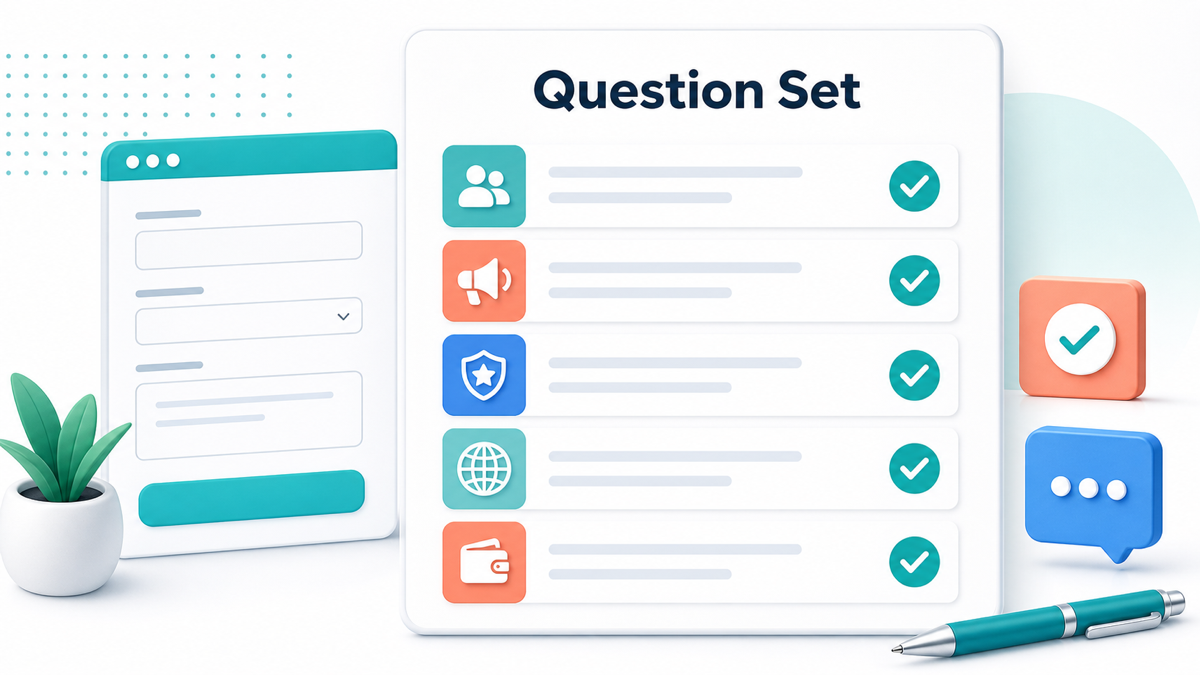
Useful form questions:
| Question | Why it helps |
|---|---|
| What type of audience do you reach? | Confirms buyer fit |
| Where will you promote the product? | Shows traffic source |
| Share two examples of your content | Gives quality proof |
| What problem will your audience solve with this product? | Tests relevance |
| Do you agree to disclose affiliate links? | Sets a public compliance baseline |
This example connects well with the broader affiliate application review checklist, which covers how to review applicants after they submit.
Example 3: Agency and Consultant Application
Agency applications should look different from creator applications. Agencies may refer clients through onboarding, implementation, paid audits, migrations, or managed services. The page should ask how the agency works with clients, which verticals it serves, and whether it wants referral credit, affiliate links, or a more formal partner path.
For software-driven programs, PartnerStack and Tally are useful examples to link internally because they show how partner ecosystems and form workflows connect. The exact page should still avoid making private promises about commission tiers unless those terms are public.
The best agency page uses fewer hype claims and more routing clarity. It can say: "Tell us about the clients you serve, the services you provide, and how you plan to introduce the product." That gives the program owner a cleaner approval path.
Review Signals to Put on the Page
Application pages should make review signals visible without exposing internal scoring. Tell applicants what you care about in plain language: relevant audience, honest promotion, useful content, source transparency, and fit with the product category.
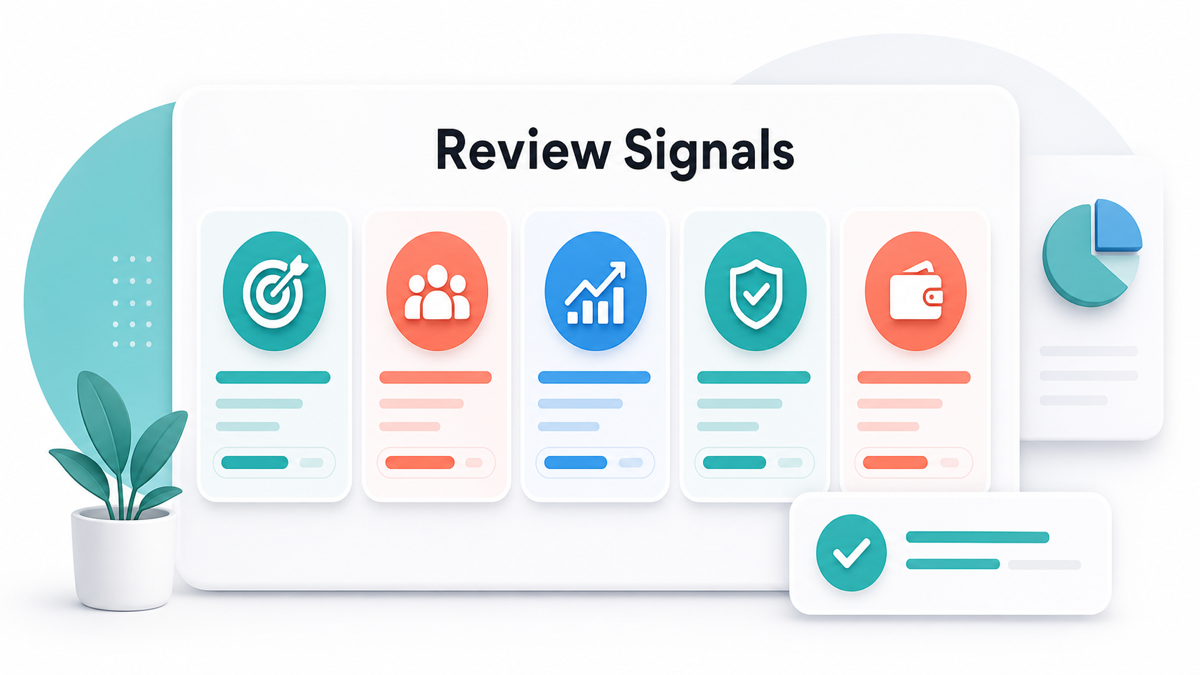
Use this public checklist:
| Signal | Public wording |
|---|---|
| Audience relevance | We prioritize partners whose audience matches our buyer |
| Content quality | We review submitted examples for usefulness and clarity |
| Traffic source | We ask where promotion will happen before approval |
| Compliance fit | We expect clear disclosures and honest claims |
| Payout readiness | Approved partners should provide accurate payout details in the portal |
These signals also help with rejection copy. Instead of saying "not approved," the team can explain that the audience or promotion plan does not match the program yet.
Mistakes to Avoid
Do not hide the application criteria. If the program only accepts B2B creators, agencies, or existing customers, say that on the page. Hidden criteria create bad applications and frustrated applicants.
Do not ask for private information too early. You may need payment details after approval, but the first application page should focus on fit, channel quality, and promotion plan.
Do not promise automatic approval unless the program is truly open. If the team reviews applications, say so. If the product has restricted categories, paid search rules, coupon limits, or disclosure requirements, summarize them before the form.
Do not copy every field from a long internal checklist. The application page is a public filter. The private review process can be more detailed.
Key Takeaways for Affiliate Program Application Page Examples for SaaS
Affiliate program application page examples should help the right partners apply and help the wrong partners opt out. Start with partner fit, ask for proof, explain the review process, and make compliance expectations visible before approval.
For a deeper program-owner content cluster, connect this page with affiliate program examples for SaaS companies and affiliate program examples by niche. Then use FindAffiliates to compare tools and partner programs before building the next page.
FAQ
What should an affiliate program application page include?
It should include who should apply, what the program offers, what information the applicant must provide, how long review takes, and what promotion rules apply. The page should be short enough to complete but clear enough to filter poor-fit applicants.
What are good affiliate application questions?
Good questions ask about audience, channel, content examples, traffic source, promotion plan, and disclosure practices. Avoid asking for sensitive payout details until after approval.
Should SaaS affiliate programs approve everyone?
Not always. If your product has a specific buyer, a reviewed application process can protect brand safety, improve partner quality, and reduce low-intent traffic.
How long should affiliate application review take?
Most SaaS teams should name a simple review window, such as a few business days, if they can meet it. If the team reviews manually, say that applications are reviewed before portal access is granted.
How is an application page different from a landing page?
The landing page sells the affiliate program. The application page screens the applicant, collects proof, explains review criteria, and sets public rules before approval.